
Introduction
Importing a car to Algeria costs 40.42% of CIF for a small petrol car and 153.23% above 1,800 cc: customs duty, a 3% solidarity contribution, a 60% consumption tax on large engines and 19% VAT. A resident importing a used petrol, hybrid or electric car under three years old pays less. Left-hand drive only; used diesels are banned.
Duty rates verified against official sources as of 27 November 2026.
Algeria's car tax is a four-step cascade, and almost all of the money is decided by two numbers: the engine size and the fuel. A petrol car up to 1,800 cc pays 15% customs duty and no consumption tax. One cubic centimetre more and the duty doubles to 30% and the 60% internal consumption tax (T.I.C) switches on. The same car then lands at more than three and a half times the tax.
The second thing that shapes an Algerian import is the "moins de 3 ans" regime. Since 2023 a resident individual may bring in one used car every three years, provided it is no more than three years old and runs on petrol, petrol-hybrid or electricity. The duty, the T.I.C and the VAT on that car are cut by 50%, 20% or 80%. Diesel cars are not covered at all, and a used diesel has no route into Algeria for a private buyer.
This guide covers the full cascade, the regime's conditions, worked examples taken from IPAS's customs research for Algeria, and the points that are not yet confirmed.
Quick Facts
| Detail | Information |
|---|---|
| Customs Authority | Direction Générale des Douanes (DGD) |
| Traffic Side | Right-hand traffic (drive on the right) |
| Steering Requirement | LHD only. No instrument authorising registration of a right-hand-drive car was found; IPAS does not supply RHD cars to Algeria |
| Customs duty (D.D) | 15% petrol and petrol-hybrid up to 1,800 cc, diesel up to 2,100 cc · 30% larger engines and battery-electric cars · 5% pickups and goods vehicles up to 5 t |
| Solidarity contribution (T.C.S) | 3% of the customs value, every vehicle |
| Internal consumption tax (T.I.C) | 60% on petrol and petrol-hybrid cars above 1,800 cc and diesel cars above 2,000 cc. None on smaller engines, electric cars or pickups |
| VAT (T.V.A) | 19%, on the customs value plus every charge before it |
| Total, petrol or hybrid up to 1,800 cc | 40.42% of CIF |
| Total, petrol or hybrid above 1,800 cc | 153.23% of CIF |
| Total, diesel 2,001 to 2,100 cc (4x4 up to 2,500 cc) | 124.67% of CIF |
| Total, battery-electric car | 58.27% of CIF |
| Total, pickup (HS 8704) | 28.52% of CIF |
| "Moins de 3 ans" totals | 21.71% up to 1,800 cc · 123.19% above 1,800 cc · 14.05% electric |
| Used vehicles | Resident individuals only: up to 3 years old, petrol, petrol-hybrid or electric, one car every 3 years |
| Used diesel | Not importable by a private buyer |
| New vehicles | Imports for resale reserved to approved concessionnaires; a private new import is not provided for |
| Main Seaport | Algiers (DZALG); also Oran (DZORN) and Djen Djen (DZDJE) |
| Currency | Algerian dinar (DZD). Bank of Algeria rate DZD 137.02 per USD (26 November 2026) |
Types of Cars That Can Be Imported
Steering: left-hand drive only
Algeria drives on the right (Décret exécutif 04-381 of 2004, article 8). No Algerian instrument authorising the registration of a right-hand-drive car was found, and an imported used car must pass a conformity check that a non-conforming vehicle fails, after which it is re-exported at the importer's cost. IPAS therefore treats right-hand drive as not importable. Japanese, UK, Australian, New Zealand, Thai and Indian domestic-market units are not offered for Algeria, and IPAS does not offer conversion. Cars for Algeria are sourced in left-hand-drive markets such as the United States, Canada, Germany, Belgium, South Korea, China and the UAE.
Used cars: up to three years old, for resident individuals
A used car can enter Algeria only under the "moins de 3 ans" regime (Loi de Finances 2020, article 110, as rewritten by Loi de Finances 2023, article 66; Décret exécutif 23-74 of 20 February 2023). The age is measured from the first registration to the date of the customs declaration.
- Model year 2024 or newer: normally inside three years in 2026.
- Model year 2023: borderline. It depends on the first-registration date.
- Model year 2022 or older: not importable.
Used diesel cars: not importable
The regime covers only electric, petrol and petrol-electric hybrid vehicles. A used diesel car, diesel pickup or diesel hybrid has no clearance route for a private buyer.
New cars: through approved concessionnaires
The import of new vehicles for resale is reserved to approved concessionnaires holding an exclusive concession contract (Décret exécutif 22-383 of 17 November 2022). A "new" vehicle has never been registered anywhere, is no more than 12 months from manufacture to entry, and has covered no more than 100 km.
A private individual clearing a never-registered car for personal use is not provided for by any instrument IPAS has read. The paragraph of the 2020 finance law that once allowed it was replaced in 2023. IPAS treats a private new import as conditional and not yet confirmed, and quotes new cars at the full common-law rates with no reduction.
Condition
A used car must be in good working order with no major or critical defect, and must meet Algeria's safety and environmental requirements (Décret 23-74, article 6). Damaged, salvage and non-running vehicles fail that test.
Origin
No IPAS origin country is banned.
Cars You Can Import to Algeria
Each card is a full landed-cost calculation: the car's price, shipping, every duty and tax, and handling, worked out on 27 November 2026 with the rules in force that day. All are left-hand drive to suit Algeria's roads. Tap a car to see its full breakdown, or open it to change the trim, colour or port.
More cars you can import to Algeria
New cars IPAS sources to order that meet Algeria's import rules. Prices are ex works, before shipping and duty. Open a car to work out its full landed cost.
 LHDBackorder2026
Toyota Land Cruiser 71
SUV · 2 VariantsPetrolFrom $55,100Ex Works, UAE LHDBackorder2026
Toyota Hilux Double Cab V6 4.0
Pickup · 2 VariantsPetrolFrom $47,400Ex Works, UAE LHDBackorder2027
Toyota Corolla Cross
SUV · 8 VariantsPetrol · HybridFrom $30,600Ex Works, USA LHD/C-RHDBackorder2027
GMC Yukon XL
SUV · 11 VariantsPetrol · DieselFrom $92,600Ex Works, USA LHD/C-RHDBackorder2027
GMC Yukon
SUV · 11 VariantsPetrol · DieselFrom $89,000Ex Works, USA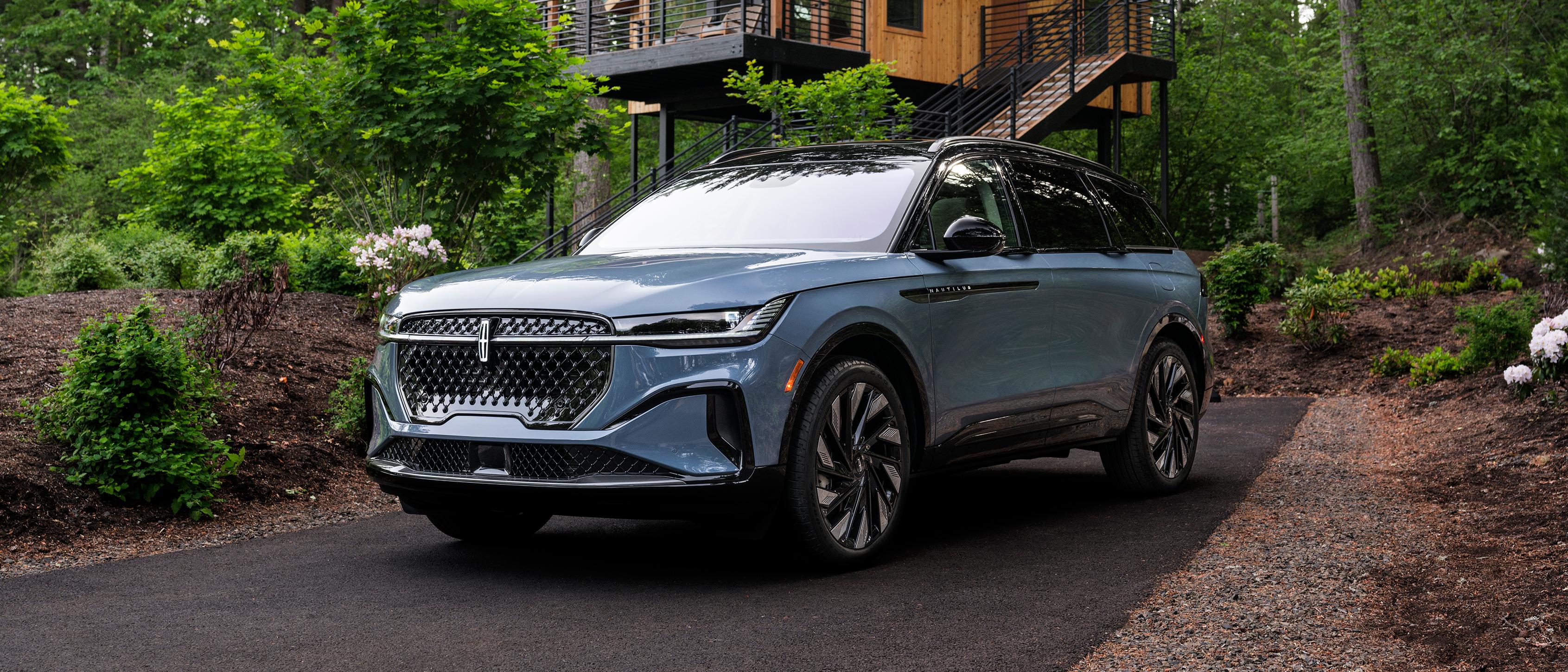 LHDBackorder2026
Lincoln Nautilus
SUV · 6 VariantsPetrol · HybridFrom $64,800Ex Works, USA LHD/C-RHDBackorder2026
Chevrolet Silverado EV
Pickup · 8 VariantsElectricFrom $77,900Ex Works, USA LHD/C-RHDBackorder2026
Chevrolet Silverado 3500 HD DRW
Pickup · 8 VariantsPetrol · DieselFrom $65,800Ex Works, USA LHDBackorder2026
Chevrolet Colorado
Pickup · 7 VariantsPetrolFrom $41,400Ex Works, USA LHDBackorder2025
Ford Ranger
Pickup · 3 VariantsPetrolFrom $44,900Ex Works, USA LHD/C-RHDBackorder2026
Ford Super Duty F-450 DRW
Pickup · 5 VariantsDieselFrom $73,600Ex Works, USA LHD/C-RHDBackorder2026
Ram 1500 RHO
Pickup · 1 VariantPetrolFrom $86,500Ex Works, USA LHD/C-RHDBackorder2027
Ram 1500 RHO
Pickup · 1 VariantPetrolFrom $90,000Ex Works, USA LHDBackorder2027
Rivian R1T
Pickup · 4 VariantsElectricFrom $96,000Ex Works, USA LHDBackorder2026
Lexus LX
SUV · 7 VariantsPetrol · HybridFrom $128,600Ex Works, Canada LHDBackorder2026
Lexus NX
SUV · 16 VariantsPetrol · Hybrid · Plug-in HybridFrom $57,600Ex Works, Canada
Ports Supporting Vehicle Import
| Port | Location | Role |
|---|---|---|
| Port of Algiers (DZALG) | Algiers | IPAS's default port for Algeria: the main container port for the capital region |
| Port of Oran (DZORN) | Oran | Western Algeria |
| Port of Djen Djen (DZDJE) | Jijel | Eastern Algeria: a deep-water port with heavy vehicle traffic |
IPAS quotes clearance at Algiers by default. The port does not change the tax: duty, solidarity contribution, T.I.C and VAT are national and identical at every Algerian customs office. A used car can be cleared at the office of entry or at the customs office for the importer's place of residence (Décret 23-74, article 7). Port handling, storage and clearing-agent charges are separate from the import taxes.
Restrictions on Vehicle Import for Individuals
The "moins de 3 ans" regime is the only route for a private buyer bringing in a used car, and it comes with conditions (Décret 23-74, articles 2 to 8):
- Who: a resident individual, importing for personal use.
- How often: one vehicle every three years per person, counted from the date of the declaration. The DGD keeps a national register.
- Payment: from the importer's own foreign currency.
- Which vehicles: used passenger cars of up to 9 seats, and used utility vehicles (vans and pickups) up to 3.5 t gross weight.
- Which fuels: electric, petrol, or petrol-electric hybrid. A plug-in hybrid with a petrol engine counts as a petrol hybrid. Diesel and diesel hybrids are excluded.
- Age: no more than three years from first registration to the customs declaration.
- Conformity: an expertise report by an expert approved by the Ministry of Mines is required for clearance. A car that does not conform is re-exported at the importer's cost.
The reduction
| Vehicle | Reduction | Applied to |
|---|---|---|
| Battery-electric | 80% | Customs duty, T.I.C and VAT |
| Petrol or petrol-hybrid, up to 1,800 cc | 50% | Customs duty, T.I.C and VAT |
| Petrol or petrol-hybrid, above 1,800 cc | 20% | Customs duty, T.I.C and VAT |
IPAS charges the 3% solidarity contribution in full: the 2018 finance law that created it says no exemption may be granted on it. Whether the reductions also reach the solidarity contribution is not yet confirmed by the DGD, so IPAS uses the higher figure.
Returning nationals and diplomats have their own exemptions, which sit outside IPAS's quote.
Duty Structure Overview
Algeria charges four amounts at the border. The customs value is the CIF value at the Algerian port, converted to dinars at the exchange rate of the day.
- Customs duty (droit de douane, D.D): 5%, 15% or 30% of the customs value, by 10-digit tariff line (DGD online customs tariff).
- Solidarity contribution (T.C.S): 3% of the customs value only, not of the value plus duty (Loi de Finances 2018, article 109; rate set by Loi de Finances 2025, article 178).
- Internal consumption tax (T.I.C): 60% of the customs value plus duty plus solidarity contribution, on the lines listed in article 25 of the Code des taxes sur le chiffre d'affaires (inserted by Loi de Finances 2020, article 43). Zero on every other line.
- VAT (T.V.A): 19% of the customs value plus duty, solidarity contribution and T.I.C (Code des taxes sur le chiffre d'affaires, articles 19, 21 and 27).
Total = D.D + T.C.S + T.I.C + T.V.A. Under "moins de 3 ans": T.C.S in full + (D.D + T.I.C + T.V.A) × 0.20, 0.50 or 0.80.
The rate grid
| Vehicle | D.D | T.I.C | Common law | "Moins de 3 ans" |
|---|---|---|---|---|
| Petrol or petrol-hybrid, up to 1,800 cc | 15% | None | 40.42% | 21.71% |
| Petrol or petrol-hybrid, above 1,800 cc | 30% | 60% | 153.23% | 123.19% |
| Diesel, up to 2,000 cc | 15% | None | 40.42% | Not importable used |
| Diesel, 2,001 to 2,100 cc (4x4: up to 2,500 cc) | 15% | 60% | 124.67% | Not importable used |
| Diesel, above 2,100 cc (4x4: above 2,500 cc) | 30% | 60% | 153.23% | Not importable used |
| Battery-electric | 30% | None | 58.27% | 14.05% |
| Pickup or goods vehicle up to 5 t | 5% | None | 28.52% | 15.76% petrol up to 1,800 cc · 23.42% petrol above 1,800 cc · 8.10% electric |
Every percentage is of the CIF value. Because every charge is ad valorem, the effective rate does not depend on the exchange rate.
The worked examples below come from IPAS's customs research for Algeria and convert at the Bank of Algeria rate of DZD 137.0178 per USD (26 November 2026). Amounts are rounded to the nearest dinar and dollar.
Worked example 1: used 2024 Hyundai Elantra 1.6 petrol (1,598 cc), Korea, "moins de 3 ans" −50%. CIF US$18,000 (DZD 2,466,320)
| Charge | Calculation | DZD | USD |
|---|---|---|---|
| Customs duty | 15% of CIF, then × 0.50 | 184,974 | 1,350 |
| Solidarity contribution | 3% of CIF, in full | 73,990 | 540 |
| T.I.C | Not charged up to 1,800 cc | 0 | 0 |
| VAT | 19% of DZD 2,910,258, then × 0.50 | 276,475 | 2,018 |
| Total at the border | 535,438 | 3,908 (21.71%) |
Without the regime the same car would pay DZD 996,887 (US$7,276), 40.42% of CIF.
Worked example 2: used 2025 Hyundai Tucson 2.0 petrol (1,999 cc), Korea, "moins de 3 ans" −20%. CIF US$26,000 (DZD 3,562,463)
| Charge | Calculation | DZD | USD |
|---|---|---|---|
| Customs duty | 30% of CIF, then × 0.80 | 854,991 | 6,240 |
| Solidarity contribution | 3% of CIF, in full | 106,874 | 780 |
| T.I.C | 60% of DZD 4,738,076, then × 0.80 | 2,274,276 | 16,598 |
| VAT | 19% of DZD 7,580,921, then × 0.80 | 1,152,300 | 8,410 |
| Total at the border | 4,388,441 | 32,028 (123.19%) |
At 1,999 cc the Tucson is above the 1,800 cc cliff, so it pays 30% duty and the 60% T.I.C even though it is "under two litres". A new 2026 Tucson 2.0 at CIF US$30,000 pays the full common-law rate: DZD 6,298,653 (US$45,970), 153.23% of CIF.
Worked example 3: used 2025 Hyundai Ioniq 5, battery-electric, Korea, "moins de 3 ans" −80%. CIF US$35,000 (DZD 4,795,623)
| Charge | Calculation | DZD | USD |
|---|---|---|---|
| Customs duty | 30% of CIF, then × 0.20 | 287,737 | 2,100 |
| Solidarity contribution | 3% of CIF, in full | 143,869 | 1,050 |
| T.I.C | Not charged on electric cars | 0 | 0 |
| VAT | 19% of DZD 6,378,179, then × 0.20 | 242,371 | 1,769 |
| Total at the border | 673,977 | 4,919 (14.05%) |
Worked example 4: used 2025 Toyota Hilux double cab 2.7 petrol 4x4 (2,694 cc, leaf springs, gross weight up to 3.5 t), UAE, LHD, "moins de 3 ans" −20%. CIF US$30,000 (DZD 4,110,534)
| Charge | Calculation | DZD | USD |
|---|---|---|---|
| Customs duty | 5% of CIF, then × 0.80 | 164,421 | 1,200 |
| Solidarity contribution | 3% of CIF, in full | 123,316 | 900 |
| T.I.C | Not charged on pickups | 0 | 0 |
| VAT | 19% of DZD 4,439,377, then × 0.80 | 674,785 | 4,925 |
| Total at the border | 962,523 | 7,025 (23.42%) |
A used diesel Hilux is not importable by a private buyer.
More examples from the same research
| Vehicle | Regime | CIF (USD) | Border charges (DZD) | Effective rate |
|---|---|---|---|---|
| New 2026 Hyundai Tucson 2.0 petrol, Korea | Common law | 30,000 | 6,298,653 | 153.23% |
| Used 2025 Toyota Land Cruiser 300 3.5 V6 petrol, UAE (LHD) | −20% | 85,000 | 14,346,827 | 123.19% |
| Used 2024 Toyota Corolla Cross 1.8 Hybrid (1,798 cc), Belgium | −50% | 24,000 | 713,918 | 21.71% |
| New 2026 BYD Atto 3, battery-electric, China | Common law | 25,000 | 1,996,007 | 58.27% |
| New 2026 Toyota Hilux double cab 2.4 diesel 4x4 | Common law | 28,000 | 1,094,169 | 28.52% |
| New 2026 Volkswagen Tiguan 2.0 TDI diesel 4x4 (1,968 cc), Germany | Common law | 38,000 | 2,104,539 | 40.42% |
The new-car rows are the figures a concessionnaire import pays at the border. A concessionnaire importing for resale also pays a creditable 2% advance on corporate tax, which is not part of these totals.
These examples show the structure. Get the exact figure for your vehicle using CarImport.AI.

Calculate your exact import duty to Algeria
Get a vehicle-specific duty and full landed-cost breakdown — HS classification, every tax, levy and FTA, plus shipping — calculated for your exact make, model and specs.
- Vehicle-specific HS code
- All duties, taxes & FTAs
- Shipping + est. landed cost
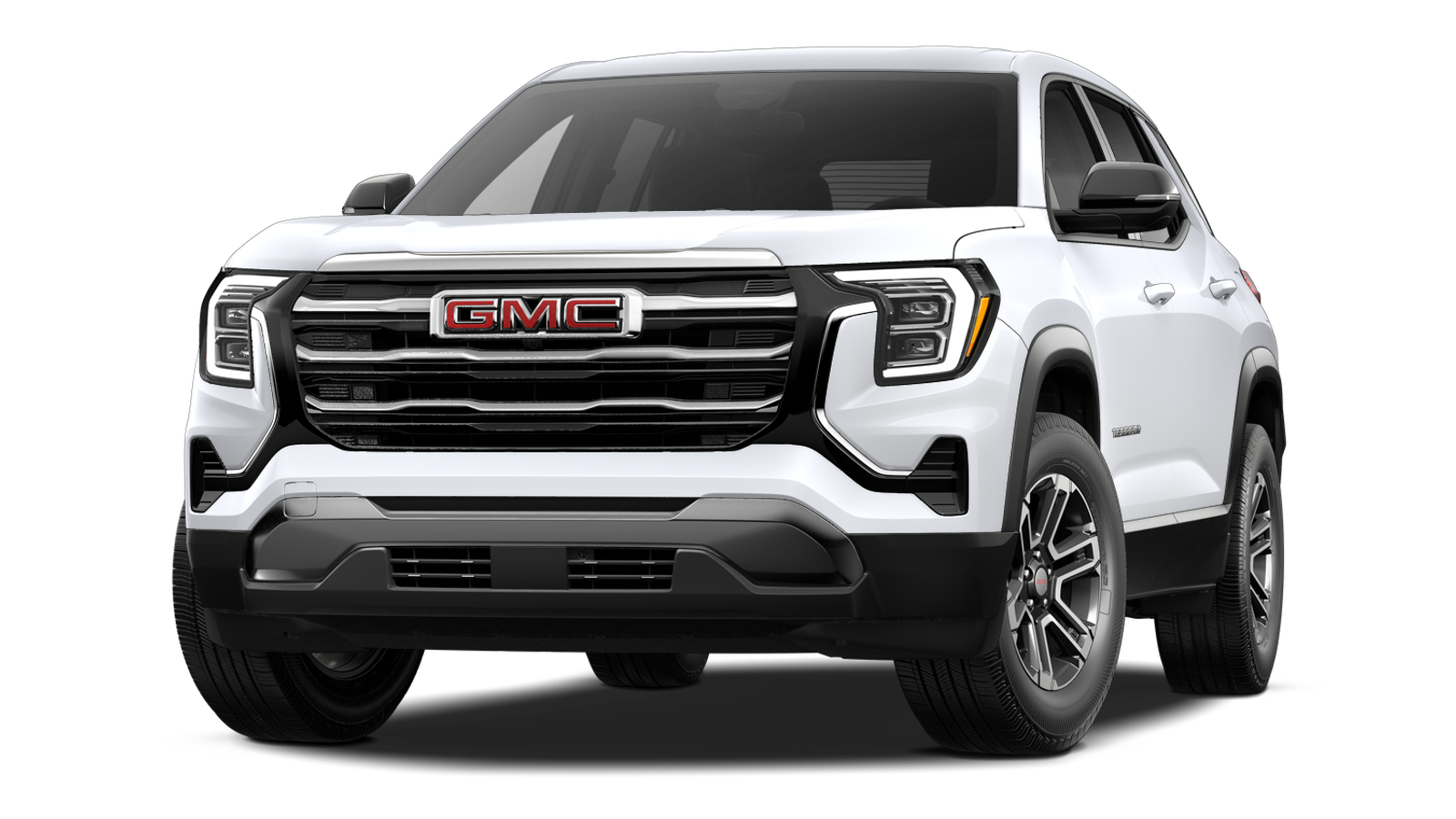
Worked Example: Importing a 2027 GMC Terrain to Algeria
Here is the full landed cost of one car, a 2027 GMC Terrain shipped from the USA to Algeria, worked out on 27 November 2026 with the customs rules in force that day. It lands at 8,715,565 DZD (about US$63,609), and duties and taxes come to 40.4% of its CIF value.
| Item | Share of CIF | Amount |
|---|---|---|
| Vehicle priceIPAS price for a car sourced in the USA | 5,001,150 DZDUS$36,500 | |
| Shipping and insuranceUSA to Algeria | 845,811 DZDUS$6,173 | |
| CIF valueCost, insurance and freight: the customs value | 5,846,961 DZDUS$42,673 | |
| Customs duties and taxes | ||
| Basic customs duty (15%)15% of CIF | 877,051 DZDUS$6,401 | |
| Additional duty (3%)3% of CIF | 175,383 DZDUS$1,280 | |
| GST/VAT (19%)19% of CIF plus the duties above22.4% of CIF | 1,310,849 DZDUS$9,567 | |
| Total duties and taxes40.4% of CIF | 2,363,283 DZDUS$17,248 | |
| Service and handling | ||
| Premium Import ServiceOptional end-to-end import management by IPAS | 242,247 DZDUS$1,768 | |
| Destination handlingPort terminal and customs clearance handling | 263,074 DZDUS$1,920 | |
| Total landed cost | 8,715,565 DZDUS$63,609 | |
The Engine-Size Cliffs: 1,800 cc and 2,000 cc
Algeria has no smooth engine-size scale. It has cliffs, and landing one side or the other of a cliff decides most of the bill.
- Petrol and petrol-hybrid: 1,800 cc. Up to 1,800 cc: 15% duty, no T.I.C, 40.42% of CIF. Above it: 30% duty plus 60% T.I.C, 153.23%. A 1.8-litre hybrid at 1,798 cc and a 2.0-litre petrol at 1,999 cc sit either side of it.
- Diesel T.I.C: 2,000 cc. A diesel up to 2,000 cc pays no T.I.C. Above 2,000 cc the 60% applies. The DGD web tariff prints the T.I.C on some whole diesel lines, but the law taxes only the part above 2,000 cc, and the law governs.
- Diesel duty: 2,100 cc (2,500 cc on the four-wheel-drive line). Above it the duty rises from 15% to 30%.
There is no further band above 3,000 cc: a 3.5-litre V6 Land Cruiser pays the same rates as a 2.0-litre Tucson.
How IPAS computes the T.I.C. IPAS charges the 60% on the customs value plus duty plus solidarity contribution, following the VAT assessment rules that the tax code extends to the T.I.C. A DGD note fixing the base is not yet confirmed. If the T.I.C were charged on the customs value alone, a petrol car above 1,800 cc would pay 129.67% instead of 153.23%. IPAS quotes the higher figure until the DGD confirms it.
Electric and Hybrid Vehicles
Battery-electric cars pay 30% customs duty and 19% VAT, with no T.I.C: 58.27% of CIF at common law. There is no electric-vehicle duty concession in Algeria's common-law tariff, so a new EV is not duty-free. The saving comes through the "moins de 3 ans" regime: a used EV under three years old has its duty and VAT cut by 80%, landing at 14.05% of CIF, the lowest rate available on any passenger car.
Hybrids and plug-in hybrids follow the engine. A petrol hybrid up to 1,800 cc pays 15% duty and no T.I.C; above 1,800 cc it pays 30% duty and the 60% T.I.C, exactly like a petrol car. Under "moins de 3 ans" a petrol hybrid earns the petrol reduction (50% or 20%), not the 80% electric reduction. Diesel hybrids follow the diesel bands and are not importable used.
Electric, hybrid and natural-gas vehicles are exempt from the annual vignette (Code du timbre, article 302, as amended by Loi de Finances 2026).
Pickups: Goods Vehicles at 5% Duty
Algeria's customs classified a Toyota Hilux double cab GL 2.4 diesel 4x4 as a goods vehicle (HS 8704.21.92.91) in binding tariff ruling RTC No. 052/DGD of 8 October 2025: the goods payload exceeds the passenger payload, the open platform carries more than 600 kg and the rear suspension is of the load-carrying type.
IPAS applies the same test. A single, extra or double-cab pickup with an open cargo bed, leaf-spring rear suspension and a goods payload above 600 kg (Toyota Hilux, Ford Ranger, Isuzu D-Max, Nissan Navara, Mitsubishi L200 or Triton) goes on the goods-vehicle line: 5% duty, no T.I.C, 28.52% of CIF.
The difference is large. A 2.7-litre petrol pickup pays 28.52% as a goods vehicle but would pay 153.23% classed as a passenger car. A luxury pickup with coil-spring rear suspension, or one whose goods payload does not exceed its passenger payload, is quoted by IPAS as a passenger car until a DGD ruling on such pickups is confirmed.
Under "moins de 3 ans" a used petrol pickup up to 3.5 t qualifies as a utility vehicle: 15.76% up to 1,800 cc, 23.42% above. A used diesel pickup does not.
Trade Agreements: Full Rates for Every IPAS Origin
| Where the car was built | Agreement | Duty applied by IPAS |
|---|---|---|
| Germany, Belgium | EU–Algeria Association Agreement (in force 2005) | Full rate: the 2026 schedule for vehicles is not yet confirmed |
| United Arab Emirates | Greater Arab Free Trade Area, for UAE-manufactured goods only | Full rate |
| United States, Canada, UK, Japan, South Korea, China, Thailand, India, Australia, New Zealand, Mexico | None with Algeria | Full rate |
The DGD tariff lists preferential duty rows for vehicles but does not name the agreement each belongs to, and the EU dismantling schedule for vehicles as applied in 2026 is not yet confirmed. IPAS therefore quotes the full duty for EU-built cars. A car built in Japan, Korea or the United States and shipped from Jebel Ali is not UAE-origin. No agreement ever reduces the solidarity contribution, T.I.C or VAT.
Charges That Do Not Apply to a Private Import
- Précompte (PRCT) 2%: the DGD tariff prints it on every line, but it applies only to imports for resale and is creditable against corporate tax (Loi de Finances 2022, article 113). A private buyer importing for personal use does not pay it.
- Provisional safeguard duty (DAPS): not listed on any car or pickup line.
- Bank domiciliation tax: a 0.5% charge on imports for resale, not a customs charge on a personal import.
- Tax on new-vehicle transactions (TVN): a stamp tax on new vehicles, paid at the tax office after clearance and before registration, not at customs. Under the schedule last confirmed (finance law of June 2020) it runs from DZD 100,000 to DZD 2,500,000 by fuel and engine size. The 2026 edition of the schedule is not yet confirmed. It does not apply to a used car.
- Customs service fees: they exist as a category, but no current rate is confirmed and IPAS does not model them.
The annual vignette, registration, the Ministry of Mines conformity expertise fee, port handling, storage and clearing-agent fees are not customs charges.
Documents Required for Import
For a used car under "moins de 3 ans" (Décret 23-74, article 8):
- Identity document of the importer
- Residence certificate
- Foreign registration certificate of the vehicle
- Proof of the ownership transfer: purchase invoice or sale contract
- Roadworthiness document from the country of registration, less than three months old
- Conformity expertise report by an expert approved by the Ministry of Mines
For the shipment itself:
- Bill of Lading (original or telex release)
- Customs declaration lodged with the DGD through a clearing agent
Customs Clearance Process
| Stage | What happens |
|---|---|
| Before buying | Confirm the car is left-hand drive, petrol, petrol-hybrid or electric, no more than three years from first registration, undamaged, and that you have not used your three-year allowance |
| Payment | Pay for the car from your own foreign currency |
| Arrival | The car is discharged at Algiers, Oran or Djen Djen; a one-month temporary admission title can cover it while clearance is completed |
| Conformity | A Ministry of Mines approved expert inspects the car and issues the conformity report; a non-conforming car is re-exported |
| Declaration and payment | The declaration is lodged at the office of entry or the office for your place of residence; duty, solidarity contribution, T.I.C and VAT are paid in dinars |
| Release and registration | Release, then registration and the annual vignette |
Recent Regulatory Changes and Points Not Yet Confirmed
- 2018: solidarity contribution created at 1% (Loi de Finances 2018, article 109), raised to 2% in 2020 and to 3% from 2025 (Loi de Finances 2025, article 178), restated by Loi de Finances 2026.
- 2020: 60% T.I.C on large engines (Loi de Finances 2020, article 43).
- November 2022: new-car imports for resale reserved to concessionnaires (Décret exécutif 22-383).
- 2023: "moins de 3 ans" regime rewritten with the 80% / 50% / 20% reductions (Loi de Finances 2023, article 66; Décret exécutif 23-74), amended by Loi de Finances 2024.
Not yet confirmed.
- Loi de Finances 2027. Press reports say the National People's Assembly adopted the 2027 finance bill on 16 November 2026, including a clearance route for "moins de 3 ans" cars that pass the age limit while in transit by up to six months, with a 3% per month surcharge. It still needs the Council of the Nation and publication in the Journal officiel, and in principle would take effect on 1 January 2027. It is not in force; the current rules apply. IPAS reviews it from January 2027.
- Private new imports: whether a resident may clear a never-registered car for personal use. IPAS treats it as conditional.
- The T.I.C base and whether the regime's reductions reach the solidarity contribution: IPAS quotes the higher reading of each.
- Right-hand drive: no instrument allowing registration has been found; IPAS treats RHD as not importable.
- Emission standard: no specific Euro level is confirmed; the Ministry of Mines expertise decides.
- EU-origin duty under the Association Agreement, and coil-sprung pickups: IPAS quotes the full rate and the passenger-car line meanwhile.
Frequently Asked Questions
How much does it cost to import a car to Algeria?
At common law the border taxes are 40.42% of CIF for a petrol or hybrid car up to 1,800 cc, 153.23% above 1,800 cc, 58.27% for an electric car and 28.52% for a pickup. A resident importing a used car under three years old pays 21.71%, 123.19% or 14.05% instead. Port, clearing and registration costs are extra.
What is the "moins de 3 ans" regime?
The rule that lets a resident individual import one used car every three years, for personal use, paid from their own foreign currency. The car must be petrol, petrol-hybrid or electric and no more than three years from first registration. Duty, T.I.C and VAT are cut by 80% (electric), 50% (up to 1,800 cc) or 20% (above 1,800 cc).
Can I import a used diesel car to Algeria?
No. The "moins de 3 ans" regime covers only electric, petrol and petrol-hybrid vehicles, and there is no other route for a private buyer. A new diesel can reach Algeria through an approved concessionnaire.
How old can an imported car be in Algeria?
No more than three years from first registration to the customs declaration. In 2026 a model year 2024 or newer car is normally inside the limit, 2023 depends on the first-registration date, and 2022 or older is not importable.
Why does a 2.0-litre petrol car pay so much more than a 1.6?
Because of the 1,800 cc cliff. Above it the customs duty doubles from 15% to 30% and the 60% internal consumption tax applies, taking the total from 40.42% to 153.23% of CIF.
Are electric cars exempt from customs duty in Algeria?
No. A new electric car pays 30% duty and 19% VAT, 58.27% of CIF. A used electric car under three years old imported by a resident gets an 80% reduction and lands at 14.05%.
Can I import a right-hand-drive car to Algeria?
No. Algeria drives on the right, no instrument allowing RHD registration has been found, and IPAS supplies left-hand-drive cars only.
Can I import a brand-new car to Algeria myself?
New cars for resale come in through approved concessionnaires. A private import of a never-registered car is not provided for in the instruments IPAS has read, so it is treated as conditional and not yet confirmed.
Ready to Import?
Algeria's bill is decided before you buy. The fuel and engine size choose between 40.42% and 153.23% of CIF, and the "moins de 3 ans" regime can cut that sharply for a resident buying a used petrol, hybrid or electric car. The gates come first: left-hand drive, no used diesel, no more than three years old, one car every three years, and a Ministry of Mines conformity report.
IPAS provides two tools to plan and execute your import:
CarImport.AI: Source a vehicle through IPAS and calculate the full landed cost to Algeria, running the complete cascade in dinars: customs duty, solidarity contribution, T.I.C and VAT. Get an exact figure for your specific vehicle.
IPAS EXPRESS: Already have a vehicle? Get instant shipping quotes to Algiers, Oran or Djen Djen — sea freight or air freight — with transparent, itemised pricing and a stage-by-stage timeline.
Ready to Import Your Vehicle?
Two tools, two use cases. Pick the one that fits your needs.
Source a vehicle through IPAS and calculate the full landed cost — customs duties, shipping, and compliance — to destinations across the world.
Calculate Landed CostIPAS Express
Already have a vehicle? Get instant shipping quotes — sea freight, air freight, or RoRo — for one car or multiple vehicles worldwide.
Get Shipping Quote