
Introduction
Importing a car to Malaysia in 2026 means paying 30% import duty (0% for qualifying ASEAN or Japanese cars), 60–105% excise and 10% sales tax — about 129–193% of CIF for most petrol and diesel cars. Every import needs a MITI Approved Permit, the car must be right-hand drive, and used cars must be 1–5 years old.
Malaysia is Southeast Asia's third-largest automotive market, with over 700,000 vehicles sold annually. The country is home to two national carmakers — Proton and Perodua — whose protection has shaped decades of automotive trade policy. The result is one of the most heavily taxed vehicle import regimes in the world, with total taxes on a CBU (Completely Built-Up) import routinely exceeding 100% of CIF value.
The import regime is administered by the Royal Malaysian Customs Department (RMCD), which handles duty assessment and cargo release. The Ministry of Investment, Trade and Industry (MITI) controls market access through the mandatory Approved Permit (AP) system. The Road Transport Department (JPJ) manages Vehicle Type Approval (VTA) and registration, while PUSPAKOM handles vehicle inspections.
Malaysia applies a three-layer tax structure — Import Duty (30%), Excise Duty (60-105%), and Sales Tax (10%) — that compounds aggressively. A vehicle with a CIF value of RM30,000 can easily land at RM70,000 or more after all taxes. ASEAN-origin vehicles (under ATIGA) and Japanese-origin vehicles (under the Malaysia–Japan EPA) can enter at 0% import duty, but excise and sales tax still apply. The duty and excise exemption for fully imported electric cars ended on 1 January 2026. This guide covers every step of the process, from the AP requirement through customs clearance and JPJ registration.
Quick Facts
| Detail | Information |
|---|---|
| Customs Authority | Royal Malaysian Customs Department (RMCD) |
| Import Licensing | Ministry of Investment, Trade and Industry (MITI) — Approved Permit (AP) |
| Registration Body | JPJ (Road Transport Department) |
| Inspection Body | PUSPAKOM (B2 inspection for imported vehicles) |
| Steering | Right-Hand Drive (RHD) only — LHD not admissible except narrow exceptions |
| Import Duty (MFN) | 30% of CIF |
| Import Duty (ASEAN / Japan) | 0% under ATIGA (Form D) or the Malaysia–Japan EPA, with a certificate of origin |
| Excise Duty | 60-105% by engine size and body type (on CIF + Import Duty); 10% for plug-in hybrids and EVs; nil for pickups and other commercial vehicles |
| Sales Tax | 10% on CIF + Import Duty + Excise |
| Used Vehicle Import | 1–5 years from first registration (Open AP or returning-Malaysian Personal AP); 5–35 years not importable |
| EV Incentives (CBU) | Exemption ended 1 January 2026 — now 30% duty + 10% excise + 10% sales tax (about 57% of CIF) |
| EV Incentives (CKD) | Exempt from import duty, excise, and sales tax until 31 December 2027 |
| Main Ports | Port Klang (Westports), Penang Port, Port of Tanjung Pelepas |
| Customs Clearance | 3-7 working days |
| Total Tax Burden (typical) | About 129–193% of CIF for MFN passenger cars; 43% for pickups |
Types of Cars That Can Be Imported
Malaysia permits the import of both new and used vehicles, but all CBU imports require a mandatory Approved Permit (AP) from MITI. Individuals cannot freely import vehicles — the AP system is the principal barrier to entry.
New Vehicles
New CBU vehicles are imported by Franchise AP holders (authorised brand distributors). New vehicles must have odometer readings below 1,000 km and comply with JPJ's Vehicle Type Approval (VTA) requirements and Euro 4 emissions standards.
Used and Reconditioned Vehicles
Used vehicles are permitted if they are 1 to 5 years old, counted from the date of first registration in the export country (not the manufacture date), at the time of the customs declaration. A car first registered on 30 June 2022 can be imported until 30 June 2027. Open AP holders handle the bulk of used vehicle imports, sourcing primarily from Japan, the UK, and other RHD markets. Reconditioned vehicles go through licensed warehouses at ports where they are held duty-deferred until a buyer is found.
Vehicles more than 5 but less than 35 years old cannot be imported at all — no AP covers them, whatever duty is paid.
Classic and Vintage Vehicles
Classic vehicles (35+ years old from manufacture — raised from 25 years in 2024) and vintage vehicles (50+ years old) can be imported under a Classic or Vintage AP from MITI, with a limited annual quota. They pay the standard import duty, excise and sales tax, and still need a PUSPAKOM inspection.
Electric Vehicles
EV import incentives underwent a major shift at the end of 2025:
- Until 31 December 2025, CBU EVs were exempt from import duty, excise duty and sales tax (vehicles physically entered into Malaysia before 28 December 2025 kept the exemption)
- From 1 January 2026, CBU EVs pay the standard 30% import duty + 10% excise duty + 10% sales tax — about 57% of CIF
- Chinese-built EVs may qualify for 5% import duty under the ASEAN–China FTA, but a January 2026 order (P.U.(A) 15/2026) may have ended that preference; IPAS quotes the 30% rate until it is confirmed
- From 1 July 2026, a Franchise AP for a new CBU EV is only granted for cars with a CIF of at least RM200,000 and a motor of at least 180 kW
- CKD (locally assembled) EVs remain exempt from import duty, excise duty, and sales tax until 31 December 2027
- From 1 January 2026, EV road tax is charged on motor power (kW) instead of being near zero
Pickups
Double-cab pickups such as the Toyota Hilux, Ford Ranger, Mitsubishi Triton and Isuzu D-Max are classed as goods vehicles (HS 8704), not passenger cars. They pay no excise: 30% import duty + 10% sales tax (43% of CIF), or just the 10% sales tax from Thailand under ATIGA.
Prohibited Categories
- Left-hand drive vehicles (except diplomatic imports, temporary admission under a carnet for up to 12 months, off-road vehicles not registered for public roads, and case-by-case Classic/Vintage APs for models never built in RHD)
- Used vehicles more than 5 and less than 35 years old
- Vehicles not meeting Euro 4 emission standards
Cars You Can Import to Malaysia
Each card is a full landed-cost calculation: the car's price, shipping, every duty and tax, and handling, worked out on 9 November 2026 with the rules in force that day. All are right-hand drive to suit Malaysia's roads, converted where the car is only built left-hand drive. Tap a car to see its full breakdown, or open it to change the trim, colour or port.
More cars you can import to Malaysia
New cars IPAS sources to order that meet Malaysia's import rules. Prices are ex works, before shipping and duty. Cars marked C-RHD are built left-hand drive and converted to right-hand drive before shipping; the calculator adds the conversion. Open a car to work out its full landed cost.
 RHDBackorder2026
BMW i5 LWB
Sedan · 1 VariantElectricFrom $84,600Ex Works, India RHDBackorder2026
BMW M4
Coupe · 2 VariantsPetrolFrom $123,600Ex Works, UK RHDBackorder2026
Hyundai Alcazar (Creta Grand)
SUV · 9 VariantsPetrol · DieselFrom $14,000Ex Works, India RHDBackorder2026
Honda Elevate
SUV · 11 VariantsPetrolFrom $10,700Ex Works, India LHD/C-RHDBackorder2025
Chevrolet Silverado 3500 HD
Pickup · 10 VariantsPetrol · DieselFrom $46,400Ex Works, USA LHD/C-RHDBackorder2026
Chevrolet Suburban
SUV · 15 VariantsPetrol · DieselFrom $79,800Ex Works, USA LHD/C-RHDBackorder2025
Chevrolet Silverado 1500
Pickup · 29 VariantsPetrol · DieselFrom $57,800Ex Works, USA RHDBackorder2026
Tata Curvv
SUV · 22 VariantsPetrol · DieselFrom $8,900Ex Works, India RHDBackorder2026
Tata Harrier EV
SUV · 16 VariantsElectricFrom $26,000Ex Works, India RHDBackorder2026
Mahindra Thar
SUV · 7 VariantsPetrol · DieselFrom $11,000Ex Works, India RHDBackorder2026
Force Motors Trax Cruiser
Van & MPV · 4 VariantsDieselFrom $13,200Ex Works, India RHDBackorder2026
Ford Everest
SUV · 5 VariantsDieselFrom $46,000Ex Works, Thailand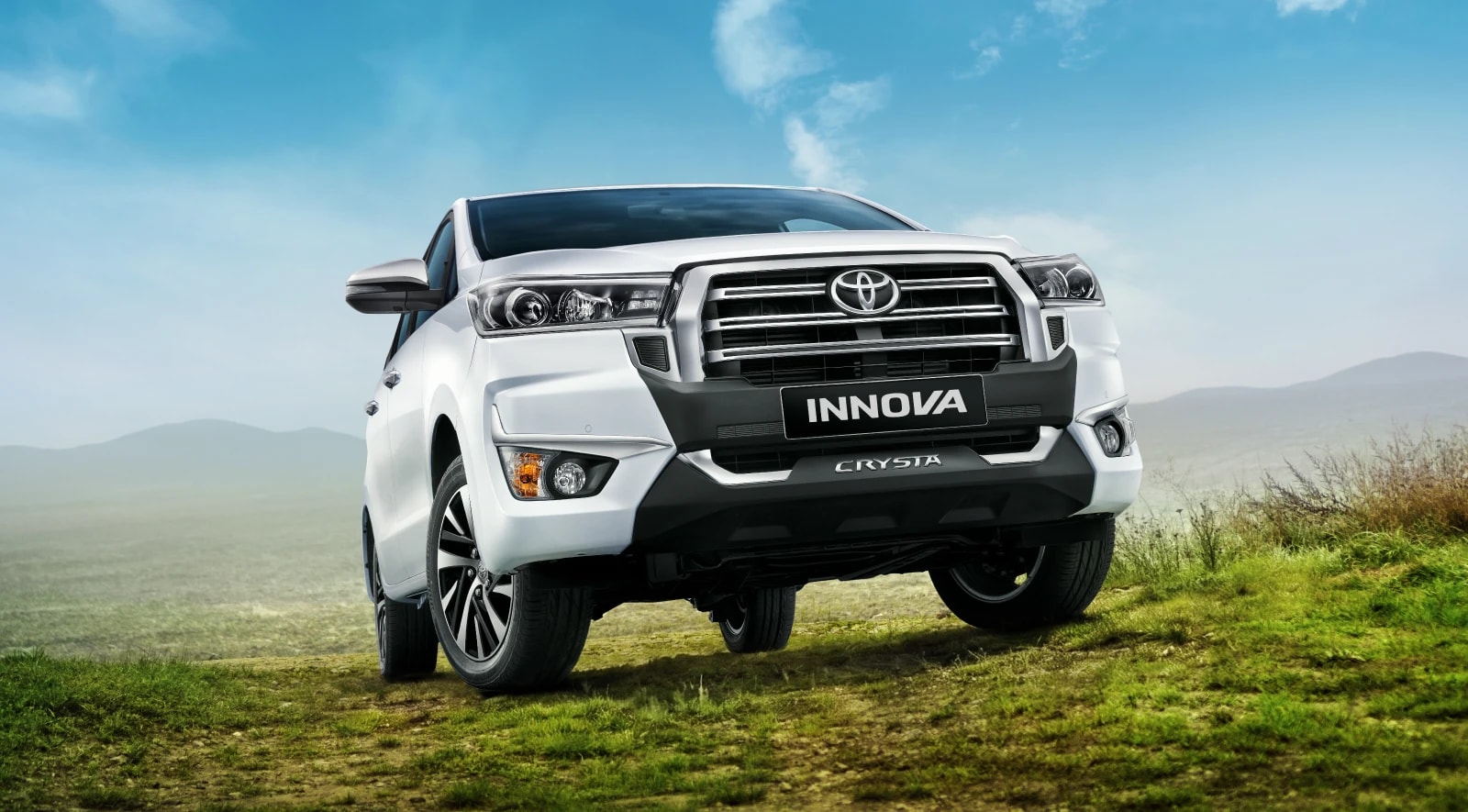 RHDBackorder2026
Toyota Innova Crysta
SUV · 7 VariantsDieselFrom $17,800Ex Works, India RHDBackorder2026
Toyota Urban Cruiser Ebella
SUV · 2 VariantsElectricFrom $28,300Ex Works, India LHD/C-RHDBackorder2026
GMC Sierra 3500HD DRW
Pickup · 7 VariantsPetrol · DieselFrom $69,400Ex Works, USA RHDBackorder2026
Kia Carens Clavis
SUV · 37 VariantsPetrol · DieselFrom $10,100Ex Works, India
The Approved Permit (AP) System
The AP system is Malaysia's import licensing mechanism, in place since the 1970s. It is mandatory for all CBU motor vehicle imports — no AP means no import, regardless of whether the vehicle is new or used.
Three Types of APs
| Type | Holder | Purpose | Notes |
|---|---|---|---|
| Franchise AP | Authorised brand distributors (e.g., BMW Malaysia, Honda Malaysia) | Import specific brands (new CBU or CKD) | Tied to a manufacturer franchise; new vehicles only |
| Open AP | Bumiputera-owned companies | Import used vehicles 1–5 years from first registration for resale | Not tied to a specific brand |
| Personal AP | Malaysian citizens returning after 2+ years' continuous residence abroad | One vehicle, once in a lifetime, for personal use | Car must have been owned for at least 3 years; apply within 3 months of return |
July 2024 Reform
MITI liberalised Open AP eligibility in July 2024 to companies with 100% Bumiputera ownership. The conditions reported for the scheme are at least 2 years of automotive industry experience and a minimum of RM1 million in paid-up capital; check the current MITI guideline before applying.
Impact on Pricing
Open APs are traded commercially, adding roughly RM10,000–RM35,000 per vehicle to retail prices depending on the operator and model. This creates a significant price premium over official franchise imports and is one of the key cost factors for anyone looking to import a vehicle to Malaysia. The AP fee is separate from customs taxes; it is not part of the duty calculation.
AP System Retention
Despite calls from economists to abolish the AP system as protectionist, the government confirmed in 2023 that it would be retained. Tesla was given a special exemption as the first approved applicant under MITI's BEV Global Leaders initiative, allowing it to sell vehicles without the conventional AP requirement.
Seaports and Airports Supporting Vehicle Import
| Port | Code | Type | Notes |
|---|---|---|---|
| Port Klang (Westports) | MYPKG | Sea | Primary vehicle import port — largest container port in Malaysia |
| Penang Port (North Butterworth) | MYPEN | Sea | Major secondary port for vehicles from Japan and South Korea |
| Port of Tanjung Pelepas | MYPTP | Sea | Growing RoRo/container hub near Singapore |
| Johor Port (Pasir Gudang) | MYPGU | Sea | Regional port in southern Peninsular Malaysia |
| Kuantan Port | MYKUA | Sea | East coast port |
| Langkawi | — | Sea | Duty-free zone (with Labuan and Pangkor) — vehicles used within the zone pay no duty, excise or sales tax if CIF is RM300,000 or less (cap from 1 January 2026); taking one to the mainland means paying the full taxes |
| KLIA (Kuala Lumpur) | KLIA | Air | Air freight for high-value vehicles |
Licensed Warehouses at ports allow vehicles to be held duty-deferred until a buyer is found — taxes are paid at the time of removal from the warehouse. This is common practice for Open AP holders importing reconditioned vehicles.
The duty-free zone cap is all-or-nothing: a car with a CIF of RM301,000 pays the full import duty, excise and sales tax, exactly as on the mainland. The AP, PUSPAKOM and JPJ rules still apply in the zones.
Restrictions on Vehicle Import for Individuals
Individuals Cannot Import Directly
Unlike many countries, Malaysia does not permit individuals to freely import vehicles. All CBU imports require an Approved Permit (AP) from MITI, which is issued to Franchise AP holders and qualifying Bumiputera-owned companies (Open AP). The one exception for individuals is the Personal AP for Malaysians returning after at least two years abroad — one car, once in a lifetime.
If you want to import a specific vehicle for personal use, you would need to work through an established AP holder or authorised dealer.
Resale Restrictions
Parallel-imported vehicles (those brought in through Open AP channels) are restricted from transfer of ownership for 2 years after registration.
Steering Requirement
Malaysia mandates right-hand drive (RHD) vehicles only. Left-hand drive vehicles are not permitted for private import. A car built LHD can only come in if it was converted to RHD abroad before import, with an engineering certificate, and passes PUSPAKOM's inspection of the conversion — a costly and risky route that IPAS does not recommend for most imports.
High-Value Imports
For imports above RM250,000 CIF, RMCD asks for beneficial-ownership and source-of-funds documents. This does not change the tax but adds about 5–15 business days.
Duty Structure Overview
Malaysia's vehicle import taxes are among the highest in the world, designed to protect the domestic automotive industry (Proton and Perodua). The three-layer structure compounds aggressively — each layer is calculated on the cumulative total of previous layers.
Layer 1: Import Duty — 30% of CIF (MFN) or 0% (ASEAN / Japan)
The standard MFN rate is 30% on CIF value for all CBU passenger vehicles, whatever the engine size or fuel. Vehicles from ASEAN countries (Thailand, Indonesia, etc.) qualify for 0% import duty under ATIGA, provided they meet the 40% ASEAN content requirement and are accompanied by a Form D Certificate of Origin. Japanese-built cars can also enter at 0% under the Malaysia–Japan EPA. Cars from India, the EU, the UK and the US pay the full 30%.
Layer 2: Excise Duty — 60-105% on (CIF + Import Duty)
This is the most significant tax component. Excise duty is calculated on the cumulative value of CIF plus Import Duty. The rate depends on engine capacity and on body type: passenger cars (saloons, station wagons, sports cars) and other motor cars (SUVs, MPVs, 4WDs and vans) have separate scales below 2,000cc. Fuel type makes no difference.
| Engine Capacity | Passenger car (saloon, wagon, sports) | SUV / MPV / 4WD / van |
|---|---|---|
| Below 1,500cc | 75% | 60% |
| 1,500-1,799cc | 75% | 65% |
| 1,800-1,999cc | 80% | 75% |
| 2,000-2,499cc | 90% | 90% |
| 2,500cc and above | 105% | 105% |
| Self-charging hybrids | Same as the scale above | Same as the scale above |
| Plug-in hybrids and EVs | 10% | 10% |
| Pickups and other commercial vehicles | 0% | 0% |
Where the body style is borderline (a low-riding crossover), IPAS uses the passenger-car scale, the higher of the two.
Layer 3: Sales Tax — 10% on (CIF + Import Duty + Excise Duty)
Sales tax is the final layer, calculated on the total of all previous components. It is a flat 10% on every imported car, new or used; the older 6%/10% split no longer applies. The High-Value Goods Tax proposed in Budget 2024 has been deferred and does not apply.
Get exact duty rates for your specific vehicle using CarImport.AI

Calculate your exact import duty to Malaysia
Get a vehicle-specific duty and full landed-cost breakdown — HS classification, every tax, levy and FTA, plus shipping — calculated for your exact make, model and specs.
- Vehicle-specific HS code
- All duties, taxes & FTAs
- Shipping + est. landed cost
Worked Example (RM30,000 CIF, 1,501-1,799cc sedan)
| Component | Calculation | Amount (RM) |
|---|---|---|
| CIF Value | Base | 30,000 |
| Import Duty (30%) | 30,000 x 30% | 9,000 |
| Assessable Value 1 | CIF + Import Duty | 39,000 |
| Excise Duty (75%) | 39,000 x 75% | 29,250 |
| Assessable Value 2 | AV1 + Excise | 68,250 |
| Sales Tax (10%) | 68,250 x 10% | 6,825 |
| Total Landed Cost | 75,075 | |
| Total Tax Burden | 150.25% of CIF |
For ASEAN-origin (or qualifying Japanese) vehicles with 0% import duty, the same car would land at approximately RM57,750 — still nearly double the CIF value due to excise duty. A 1,498cc SUV at the same CIF pays 60% excise instead of 75%, landing at RM68,640 (128.8% in taxes).
Typical totals at MFN (all three taxes, % of CIF):
| Vehicle | Total tax |
|---|---|
| SUV/MPV below 1,500cc | 128.8% |
| Saloon below 1,800cc | 150.25% |
| Saloon 1,800–1,999cc | 157.4% |
| Any car 2,000–2,499cc | 171.7% |
| Any car 2,500cc and above | 193.15% |
| Plug-in hybrid or EV | 57.3% |
| Double-cab pickup | 43% (10% from Thailand under ATIGA) |
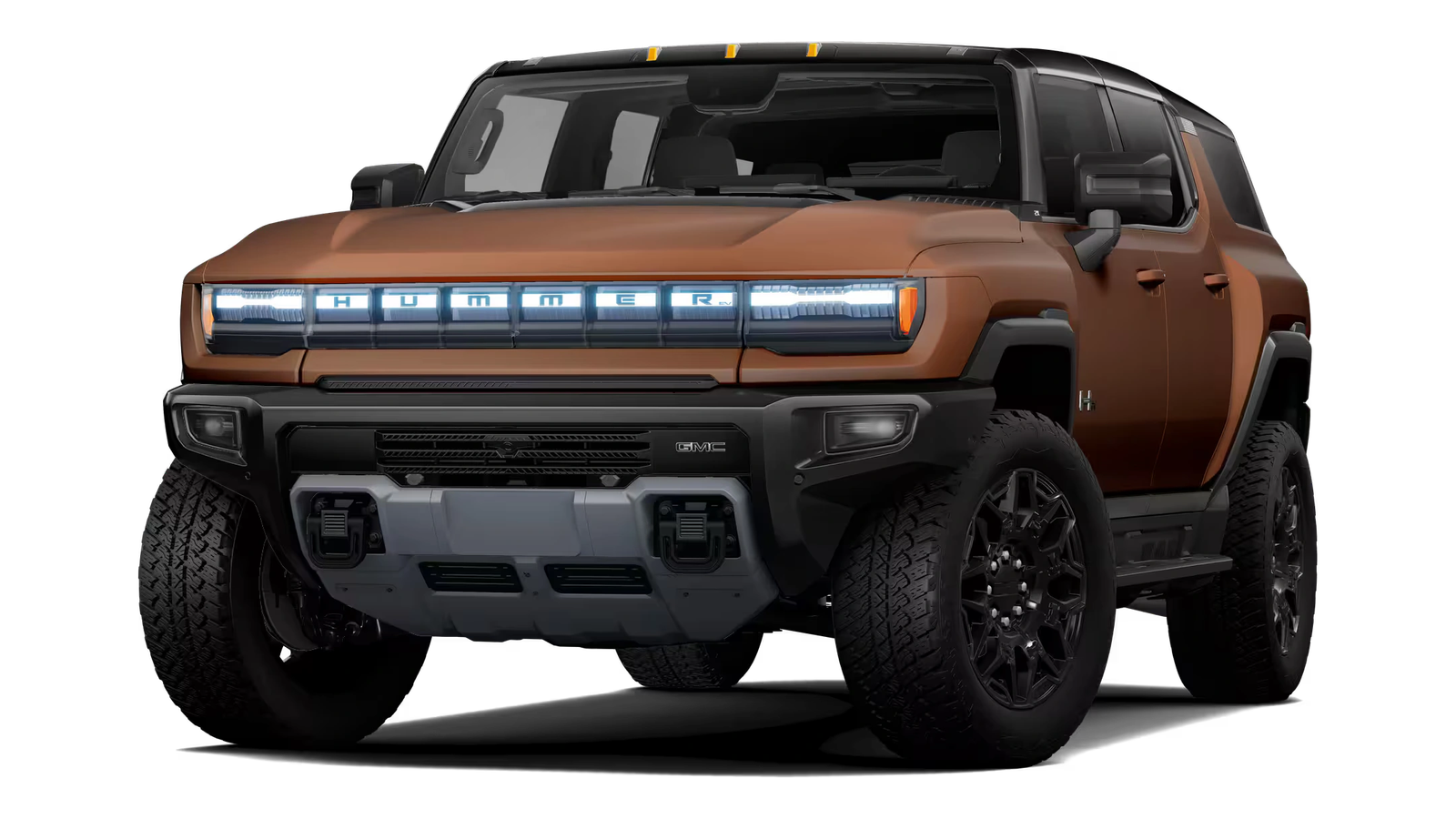
Worked Example: Importing a 2026 GMC Hummer EV SUV to Malaysia
Here is the full landed cost of one car, a 2026 GMC Hummer EV SUV shipped from the USA to Malaysia, worked out on 9 November 2026 with the customs rules in force that day. It lands at 1,024,040 MYR (about US$252,295), and duties and taxes come to 57.3% of its CIF value.
| Item | Share of CIF | Amount |
|---|---|---|
| Vehicle priceIPAS price for a car sourced in the USA | 414,008 MYRUS$102,000 | |
| Right-hand-drive conversion | 138,003 MYRUS$34,000 | |
| Shipping and insuranceUSA to Malaysia | 75,962 MYRUS$18,715 | |
| CIF valueCost, insurance and freight: the customs value | 627,973 MYRUS$154,715 | |
| Customs duties and taxes | ||
| Basic customs duty (30%)30% of CIF | 188,390 MYRUS$46,414 | |
| Additional duty (10%)10% of CIF plus the duties above13% of CIF | 81,637 MYRUS$20,113 | |
| GST/VAT (10%)10% of CIF plus the duties above14.3% of CIF | 89,799 MYRUS$22,124 | |
| Total duties and taxes57.3% of CIF | 359,826 MYRUS$88,651 | |
| Service and handling | ||
| Premium Import ServiceOptional end-to-end import management by IPAS | 29,139 MYRUS$7,179 | |
| Destination handlingPort terminal and customs clearance handling | 7,103 MYRUS$1,750 | |
| Total landed cost | 1,024,040 MYRUS$252,295 | |
Documents Required for Import
Customs Clearance Documents
- Commercial Invoice (original, detailing vehicle specs and CIF value)
- Packing List
- Bill of Lading or Air Waybill
- Insurance Certificate
- Approved Permit (AP) from MITI — mandatory
- Customs Form No. 1 (K1) — import declaration filed with RMCD
- Customs Form No. 8 (K8) — for imports to Licensed Warehouses (duty deferred)
- Vehicle Type Approval (VTA) Certificate — issued by JPJ
- Certificate of Origin (Form D for ASEAN, or relevant FTA form) — required for preferential duty claims
- Export-country registration document showing the first registration date (used vehicles), or a manufacturer's certificate of manufacture date (classic and vintage)
- Letter of Credit (if applicable)
- Proof of freight payment
JPJ Registration Documents
- VTA Certificate
- JPJ registration form (JPJ-K3)
- Original invoice and AP documentation
- Customs clearance receipt
- Valid motor insurance certificate
- PUSPAKOM B2 inspection report (imported vehicles)
Customs Clearance Timeline
| Stage | Typical Duration | Notes |
|---|---|---|
| Vessel arrival and cargo discharge | 1-2 days | Port Klang, Penang, or Tanjung Pelepas |
| Customs declaration (K1 filing) | 1 day | Electronic filing with RMCD |
| Duty assessment and computation | 1-2 days | RMCD assesses each unit on its CIF value |
| Duty payment | Same day | Import duty, excise and sales tax |
| Physical inspection (if selected) | 1-2 days | Vehicle verification |
| Release | 1 day | Post-payment |
| Total (standard processing) | 3-7 working days | Warehoused vehicles cleared within 1 month of arrival; add 5–15 business days for imports above RM250,000 CIF |
Vehicles stored in Licensed Warehouses can remain duty-deferred indefinitely and are taxed only upon removal from the warehouse for sale.
Homologation and Vehicle Approval
Vehicle Type Approval (VTA)
VTA is mandatory for all new vehicle models before they can be registered in Malaysia. The process is governed by the Road Transport Act 1987 (Act 333) and administered by JPJ.
VTA Process (approximately 20 working days to 1 month):
- Manufacturer or importer submits an eVTA application online to JPJ
- JPJ's automotive engineering division conducts document verification, physical inspection, and roadworthiness testing
- Results are submitted to the National Committee for Type Approval and Homologation (chaired by JPJ Director-General)
- The committee includes representatives from SIRIM, MIROS, MITI, MOT, RMCD, PUSPAKOM, and other agencies
- If approved, a VTA Certificate is issued
- A VTA Product Label is affixed to vehicles — PUSPAKOM has mandated VTA label verification since July 1, 2014
Emissions Standards
Malaysia adopts UN Regulations (UNR) as mandatory standards alongside Malaysian Standards (MS). The current benchmark is broadly Euro 4 equivalent. Malaysia has not yet formally mandated Euro 5.
PUSPAKOM Inspection
PUSPAKOM conducts physical vehicle inspections for roadworthiness as part of both the VTA process and the mandatory B2 inspection for imported vehicles. B2 checks the chassis and engine numbers against the import declaration, RHD steering, Euro 4 emissions documentation, lighting, safety equipment, tyres and glass, and costs about RM150–200.
Registration Procedures and Costs
After customs clearance and VTA certification, registration is handled by JPJ (Road Transport Department).
Step 1: Submit Registration Application
File JPJ Form JPJ-K3 with original invoice, AP documentation, customs clearance receipt, and valid insurance certificate.
Step 2: JPJ Assigns Registration Number
A vehicle registration number is assigned by JPJ.
Step 3: PUSPAKOM Inspection
Imported vehicles undergo a B2 inspection at PUSPAKOM before registration.
Step 4: Pay Road Tax and Obtain Registration
Road tax for petrol, diesel and hybrid cars varies by engine capacity. Rates below are for private saloons in Peninsular Malaysia; Sabah and Sarawak pay about half.
| Engine Capacity | Annual Road Tax (Private Saloon, Peninsular) |
|---|---|
| Up to 1,000cc | RM20 |
| 1,001-1,200cc | RM55 |
| 1,201-1,400cc | RM70 |
| 1,401-1,600cc | RM90 |
| 1,601-1,800cc | RM200 + RM0.40 per cc above 1,600cc |
| 1,801-2,000cc | RM280 + RM0.50 per cc above 1,800cc |
| 2,001-2,500cc | RM380 + RM1.00 per cc above 2,000cc |
| 2,501-3,000cc | RM880 + RM2.50 per cc above 2,500cc |
| Above 3,000cc | RM2,130 + RM4.50 per cc above 3,000cc |
| Electric Vehicles | From 1 January 2026, by motor power: from RM20 (80 kW or less) to RM1,024 and up (above 250 kW) |
A 3,500cc petrol saloon, for example, pays RM2,130 + (500 × RM4.50) = RM4,380 a year.
Step 5: Obtain Insurance
Mandatory third-party insurance (Takaful or conventional motor insurance) must be in place before registration is finalised.
Resale Restriction
Parallel-imported vehicles (Open AP imports) are restricted from transfer of ownership for 2 years after registration.
Frequently Asked Questions
Can I import a car to Malaysia as an individual?
Generally not. All CBU vehicle imports require a mandatory Approved Permit (AP) from MITI, issued to franchise holders and qualifying Bumiputera-owned companies. The exception is the Personal AP: a Malaysian citizen returning after at least two years abroad can import one car they have owned for at least three years, once in a lifetime. Otherwise, you would need to work through an established AP holder or authorised dealer.
Why are cars so expensive in Malaysia?
Malaysia's three-layer tax structure (30% import duty + 60-105% excise duty + 10% sales tax) compounds aggressively, adding about 129–193% on top of CIF value for most petrol and diesel cars. This is by design — the high taxes protect domestic carmakers Proton and Perodua. ASEAN-assembled and qualifying Japanese vehicles face lower taxes due to 0% import duty, but excise and sales tax still apply.
Can I import a used car to Malaysia?
Yes, if it is 1 to 5 years old from its first registration and imported through a licensed Open AP holder (or under a returning Malaysian's Personal AP). Cars more than 5 and less than 35 years old cannot be imported at all. Classic cars (35+ years) and vintage cars (50+ years) need a Classic or Vintage AP. The AP holder handles customs clearance, duties, and the first registration process.
Are electric vehicles cheaper to import?
Cheaper than petrol cars, but no longer tax-free. Since 1 January 2026, CBU EVs pay 30% import duty + 10% excise duty + 10% sales tax — about 57% of CIF — because the CBU exemption ended on 31 December 2025. Locally assembled (CKD) EVs remain exempt from import duty, excise duty, and sales tax until 31 December 2027. From 1 July 2026, a Franchise AP for a new CBU EV requires a CIF of at least RM200,000 and a motor of at least 180 kW.
Do ASEAN-origin vehicles get cheaper rates?
Yes, significantly. Vehicles from ASEAN countries (Thailand, Indonesia, etc.) qualify for 0% import duty under ATIGA with a Form D certificate of origin, and Japanese-built cars can get 0% under the Malaysia–Japan EPA. Excise duty (60-105%) and sales tax (10%) still apply, so a Japanese 3.5-litre SUV still pays about 125.5% of CIF.
Can I import a left-hand drive vehicle?
No. Malaysia mandates right-hand drive (RHD) vehicles only. LHD vehicles are not permitted for private import. The narrow exceptions are diplomatic vehicles, temporary admission under a carnet, and some classic cars never made in RHD. A car converted to RHD abroad needs an engineering certificate and must pass PUSPAKOM's inspection.
What is the AP system?
The Approved Permit is a mandatory import licence from MITI required for all CBU vehicle imports. Franchise APs are for authorised brand distributors; Open APs are for Bumiputera-owned companies that import used vehicles for resale; Personal APs are a once-in-a-lifetime permit for returning Malaysians. Open APs are traded commercially, adding roughly RM10,000-RM35,000 per vehicle to retail prices.
How has the duty calculation changed in 2025?
From January 2025, Malaysia switched CBU tax calculations from a "docket pricing" method to a per-unit valuation system to comply with WTO obligations, and sales tax on cars became a flat 10%. Import duty is charged on each unit's CIF value. This change has resulted in price increases for many CBU models.
Ready to Import Your Vehicle?
Malaysia's vehicle import regime is among the most complex and heavily taxed in the world — but it is navigable with the right tools and knowledge. Understanding the AP requirement, the compounding duty structure, and the ASEAN preferential rates is essential to making informed decisions.
Two tools to get you started:
CarImport.AI — Calculate the exact landed cost of importing any vehicle to Malaysia. Get a complete breakdown of import duty, excise duty, sales tax, and shipping costs tailored to your specific vehicle and origin country. Calculate your landed cost
IPAS EXPRESS Pro Car Shipping — Already have a vehicle? Get instant shipping quotes for sea freight to Port Klang, Penang, or Tanjung Pelepas. Compare container and RoRo options with real-time pricing. Get a shipping quote
Ready to Import Your Vehicle?
Two tools, two use cases. Pick the one that fits your needs.
Source a vehicle through IPAS and calculate the full landed cost — customs duties, shipping, and compliance — to destinations across the world.
Calculate Landed CostIPAS Express
Already have a vehicle? Get instant shipping quotes — sea freight, air freight, or RoRo — for one car or multiple vehicles worldwide.
Get Shipping Quote