Nissan Patrol
NISSAN PATROL
2027 ModelRight Hand Drive·SUV·6 Variants
Last updated


Overview
The 2027 Nissan Patrol is the Y63 generation of Nissan's full-size body-on-frame off-roader, and it is the most significant change to the nameplate in more than fourteen years. Australian deliveries begin in early 2027 with a six-grade range, and every one of them is factory right-hand drive built for Australian Design Rules, so a Patrol sourced out of Australia needs no steering conversion for any right-hand-drive destination. The car is longer, wider and taller than the Y62 it replaces, keeps the 3,075 mm wheelbase, and seats eight adults across three rows.
The headline mechanical change is the retirement of the 5.6-litre naturally aspirated V8 in favour of the 3.5-litre VR35DDTT twin-turbo petrol V6, the same engine family used in the Nissan Z and the Infiniti QX80. It produces more power and substantially more torque than the V8 it replaces, is paired with a nine-speed automatic, and lifts braked towing capacity to 3,700 kg across the whole range. For export buyers this is a genuinely different vehicle from the Y62 still being sold new in several Middle East and African markets, and it should not be cross-shopped on old specification sheets.
Grades and Positioning
The Australian range opens with the Ti, which is already comprehensively equipped: dual 12.3-inch monolith touchscreen displays with Google built-in and Google Gemini, ProPILOT driver assistance, a 3D fixed Intelligent Around View Monitor with the invisible-hood skeleton view, tri-zone climate control, eight drive and terrain modes, an electronic locking rear differential and 18-inch alloy wheels on a multi-link independent coil-sprung suspension. The Ti+ adds a tilt-and-slide power sunroof with panoramic glass roof and privacy glass for the second row and rear windows, and is otherwise mechanically identical.
From the Ti-L upward the car changes character. The Ti-L moves to dual 14.3-inch displays, a Klipsch twelve-speaker premium audio system, 20-inch wheels and Intelligent Dynamic Damping, Nissan's e-Damper electric shock absorber system. The Ti-L+ layers on the luxury equipment: genuine leather-accented seat trim, heated and ventilated front seats and a head-up display.
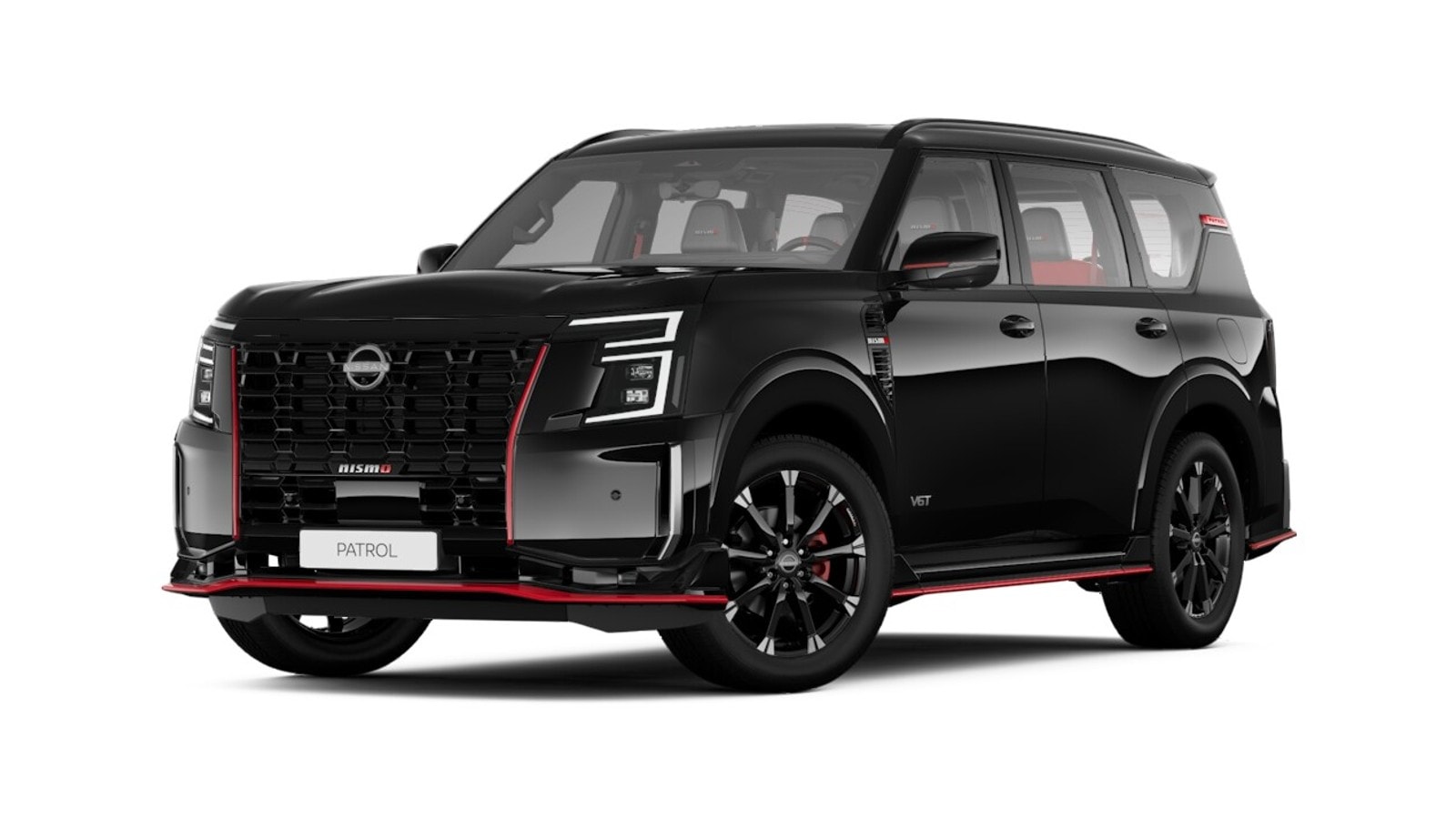
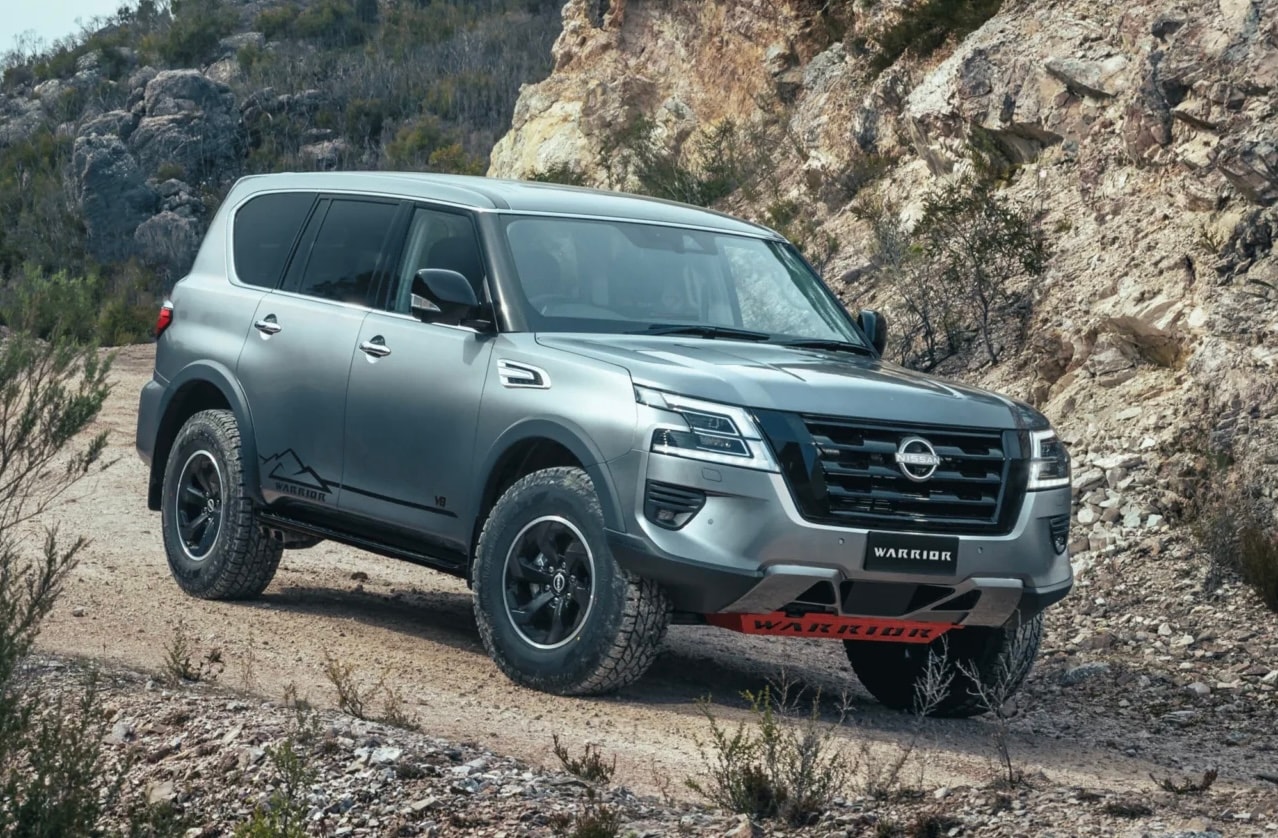
The two flagship grades both run Adaptive Air Suspension on top of the e-Dampers, which allows ride-height adjustment for off-road work and automatic lowering at highway speed. The PRO-4X is the off-road-focused interpretation, with 20-inch black painted alloy wheels on all-terrain tyres, a black grille with the orange Nissan badge, and recovery tow hooks. The Ti-L Reserve is the luxury flagship, with 22-inch step-machined alloy wheels and massage front seats. Which grade suits an export buyer usually comes down to road surface: the PRO-4X's all-terrain tyres and taller sidewall are the better choice for markets with unsealed roads, while the Ti-L Reserve's 22-inch wheels are a city and highway proposition.
Powertrain and Performance
Every Australian Patrol uses the VR35DDTT, a 3,492 cc twin-turbocharged direct-injection V6 petrol engine with continuously variable valve timing, producing 317 kW and 700 Nm. That is roughly 19 kW and 140 Nm more than the 5.6-litre VK56 V8 it replaces, and the torque arrives far lower in the rev range, which matters more than the peak figure when the car is loaded or towing. Drive goes through a nine-speed automatic to a full-time four-wheel-drive system with a dual-range interlocking transfer case offering both 4H and 4L, plus an electronic locking rear differential.
Eight drive and terrain modes are standard across the range, covering sealed-road and off-road surfaces. Maximum braked towing capacity is 3,700 kg on every grade when a genuine Nissan towbar is fitted, subject to towball download and the laden mass of the vehicle. The fuel tank holds 97 litres, down from the 140 litres of the outgoing Y62 — a point worth planning around for long-range touring in markets with sparse fuel infrastructure, since the smaller tank offsets some of the efficiency the smaller-capacity engine delivers.
Nissan Australia had not published homologated combined fuel consumption or CO2 emissions figures at the time of the pricing announcement, and has said these will follow once Australian homologation completes. Destination duty regimes that key off CO2 — South Africa's CO2 levy and several European and Asian schemes among them — will need the final ADR figure before an exact landed cost can be locked, so treat any CO2-linked line in an early estimate as provisional.
Dimensions and Physical Specifications
The Y63 measures 5,205 mm long, 2,030 mm wide excluding mirrors and 1,945 mm tall, on a 3,075 mm wheelbase carried over from the previous generation. Against the Y62 that is 40 mm longer, 35 mm wider and 15 mm taller. Overall width across the mirrors is about 2,350 mm, which is the figure that matters for container planning and for narrow urban streets. Minimum unladen ground clearance is in the 244 to 253 mm range depending on suspension specification, with the air-suspended grades able to raise further in their off-road ride-height setting.
Seating is eight adults in three rows, with roughly 1,035 to 1,055 mm of first-row headroom without the sunroof, 1,112 mm of first-row legroom and 836 to 900 mm in the third row — genuinely usable adult third-row space rather than an occasional bench. Tyre sizes run 265/70 R18 on the Ti and Ti+, 275/60 R20 on the Ti-L, Ti-L+ and PRO-4X, and 275/50 R22 on the Ti-L Reserve.
Kerb mass sits in the 2,700 to 2,815 kg band and gross vehicle mass in the 3,500 to 3,570 kg band depending on grade and suspension. Those weights are Nissan's own published figures for the same VR35DDTT drivetrain in an equivalent specification; Nissan Australia has explicitly not yet released ADR-homologated kerb mass, payload, GVM or GCM. They are close enough for freight and container planning but should be replaced with the Australian figures once published, particularly if a destination applies a weight-based tax or a GVM-linked classification threshold.
Chassis, Suspension and Off-Road Capability
All grades use a body-on-frame chassis with multi-link independent suspension front and rear. The Ti and Ti+ run conventional coil springs and fixed dampers. The Ti-L and Ti-L+ add Intelligent Dynamic Damping, which continuously varies damper rates to control body movement over rough surfaces without the ride penalty of a firmer static tune. The PRO-4X and Ti-L Reserve go further again with Adaptive Air Suspension working alongside the e-Dampers, giving selectable ride heights for off-road clearance and an automatic reduction in ride height above highway speed to cut drag and improve stability.
The transfer case is a genuine dual-range interlocking unit rather than an on-demand coupling, so 4L is available for low-speed rock, sand and steep-descent work, and the electronic locking rear differential handles the cross-axle situations where an open diff would stall progress. The eight drive and terrain modes coordinate throttle mapping, traction control and — on air-sprung cars — ride height. The invisible-hood view in the 3D Around View Monitor renders the ground beneath the front of the car on the screen, which is the single most useful feature on the vehicle for placing a front wheel on a rock ledge or judging a rutted track edge.
The PRO-4X is the grade specified for genuine off-road use, with all-terrain tyres on 20-inch wheels rather than the Ti-L Reserve's low-profile 22-inch road setup, plus recovery tow hooks. For destinations with substantial unsealed-road running, the PRO-4X or one of the 18-inch grades will be the more durable choice.
Interior and Infotainment
The Y63 cabin is a complete departure from the Y62. Ti and Ti+ grades run dual 12.3-inch monolith touchscreen displays; Ti-L and above step up to dual 14.3-inch panels spanning the driver's instrument display and the central infotainment screen. Google is built into the infotainment system, with Google Gemini available for natural-language interaction, native Google Maps and access to Google Play applications, alongside the usual smartphone projection. Connected services come with a complimentary two-year subscription in the Australian market.
Tri-zone climate control is standard across the range, operated through the touchscreen with a dedicated climate layer. The seating hierarchy runs from cloth and synthetic trim on the entry grades, to genuine leather-accented trim with heated and ventilated front seats from the Ti-L+, to massage front seats on the Ti-L Reserve. A head-up display is fitted from the Ti-L+ upward. Audio moves from the standard system on Ti and Ti+ to a Klipsch twelve-speaker premium setup from the Ti-L.
All three rows are designed around adult occupancy, and the eight-seat layout with a second-row bench is standard. Nissan describes the third row as suitable for full-size adults rather than children only, which is consistent with the measured third-row legroom and the wheelbase carried over from a car already known for its rear-seat space.
Safety and Driver Assistance
ProPILOT is standard on every Australian grade, providing lane-centring steering assistance and adaptive cruise control that works with the navigation data to adjust for corners and speed-limit changes. It is a driver aid rather than an autonomous system and requires the driver to remain in control at all times, with detectable lane markings for the steering function to operate.
The 3D fixed Intelligent Around View Monitor is standard from the Ti and includes the invisible-hood skeleton view, which composites recent forward camera frames to display the terrain hidden beneath the bonnet. This is as useful for kerb and bollard clearance in a car of this width as it is off-road. Conventional driver-assistance coverage — autonomous emergency braking, blind-spot intervention, rear cross-traffic alert and the associated camera and radar sensing — is fitted across the range.
Australian ANCAP testing had not been completed at the time of the pricing announcement. Buyers exporting to markets that require a recognised safety rating for registration or for fleet tender eligibility should confirm the current ANCAP or Euro NCAP position before committing.
Exterior Colours and Specification Notes
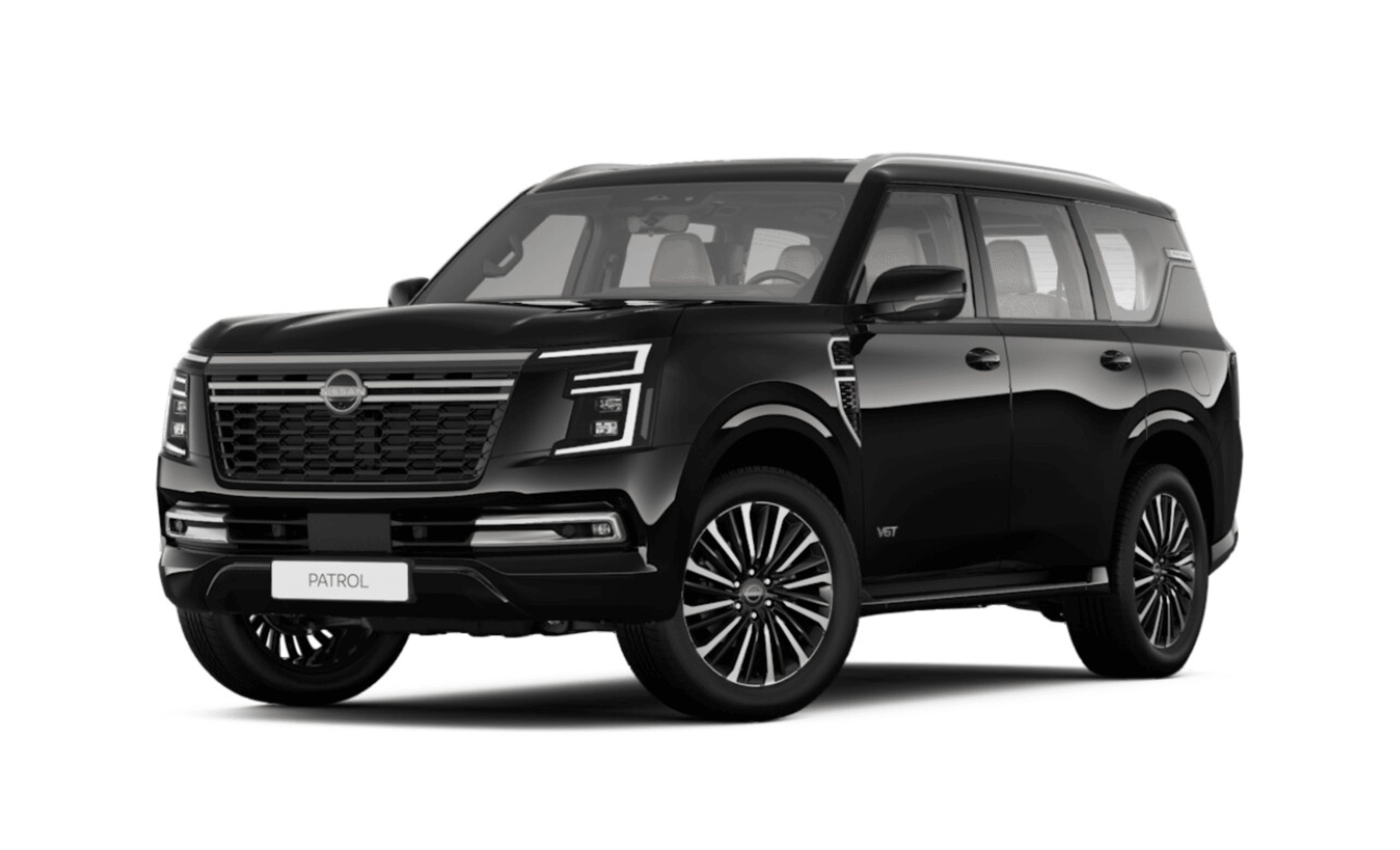
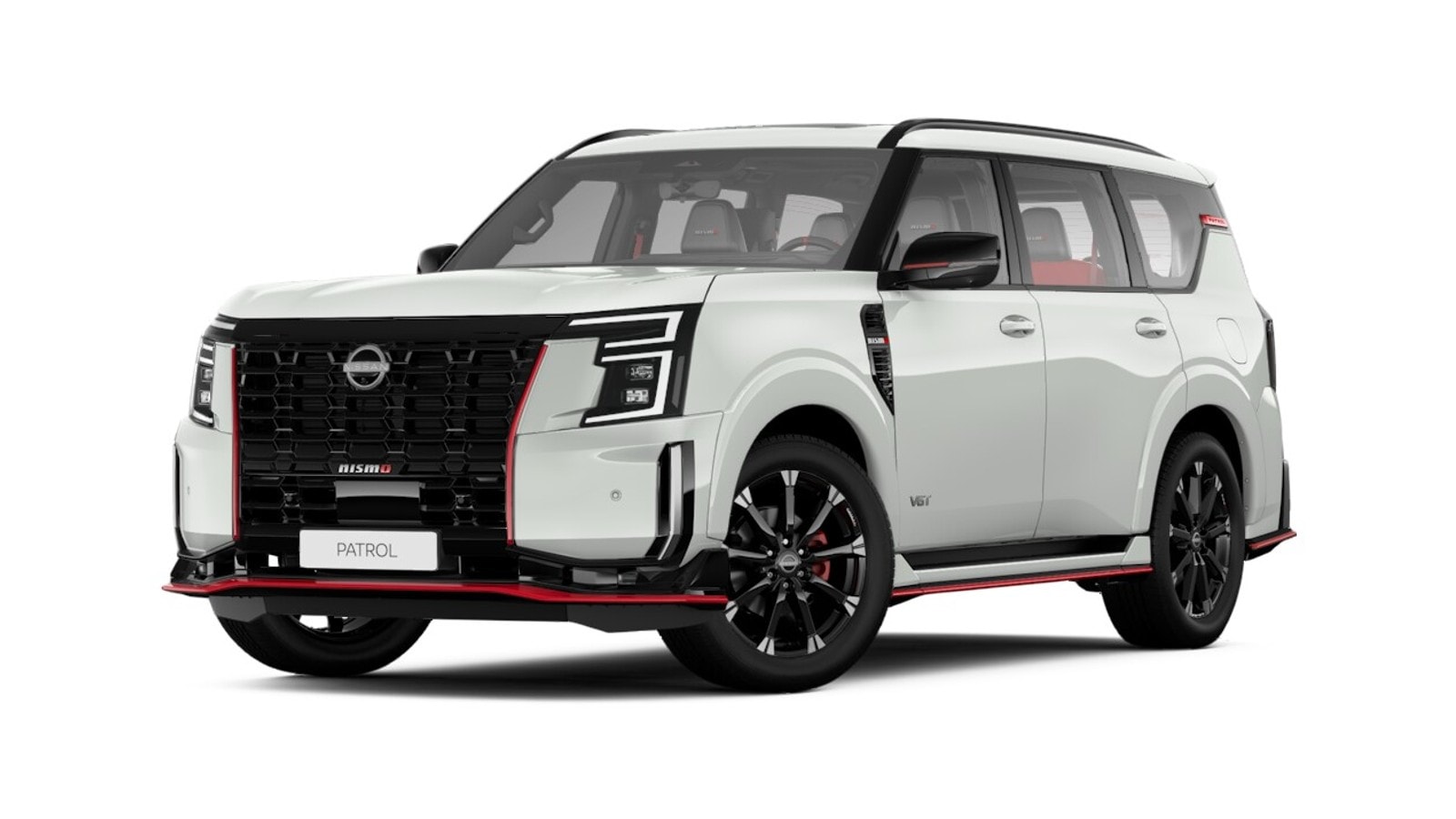
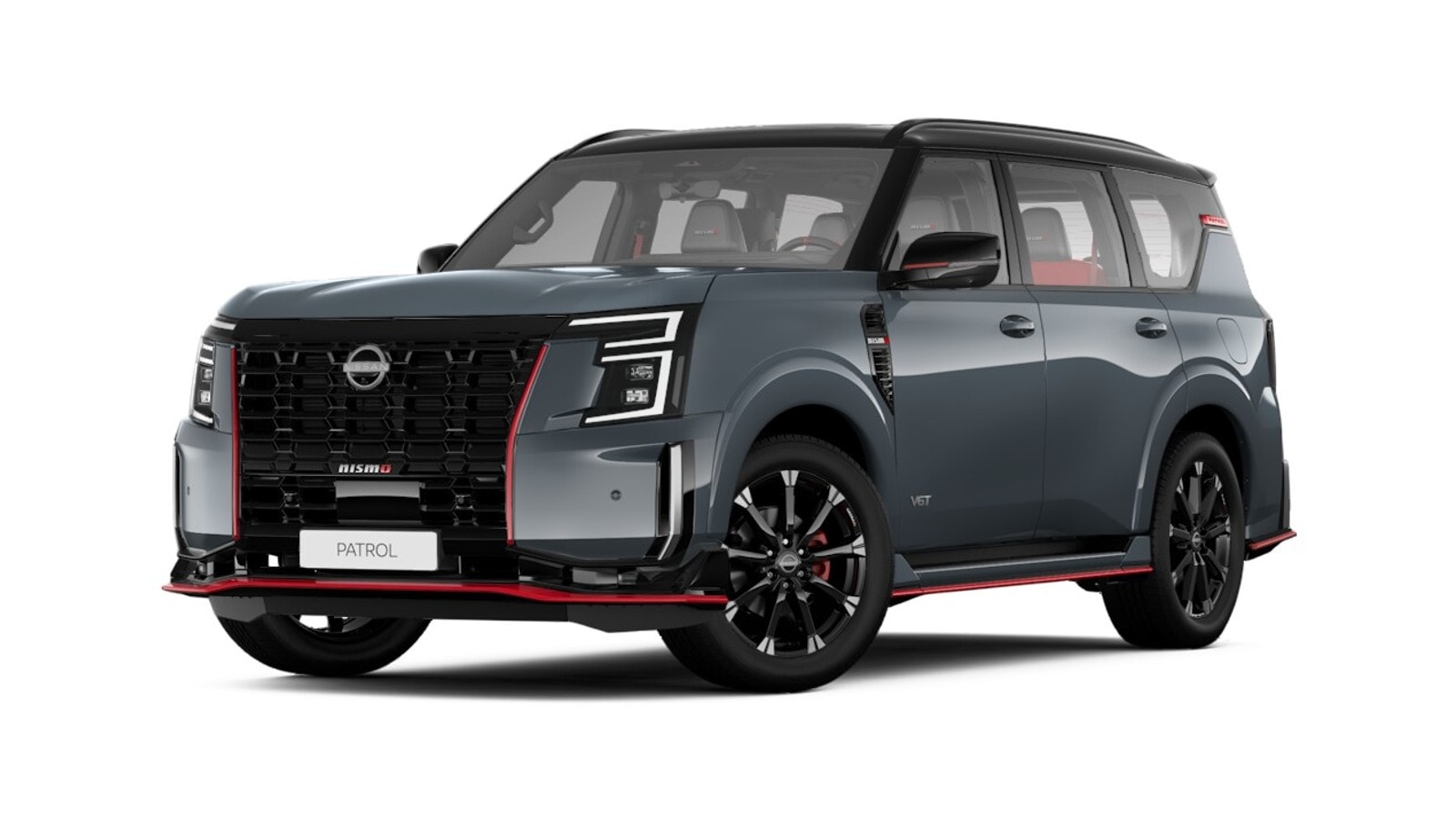
Nissan Australia has confirmed seven exterior finishes for the all-new Patrol: Gun Metallic, Pearl White, Black Onyx and Deep Ocean Blue as single-tone options, and Pearl White with black roof, Gun Metallic with black roof and Forest Green with black roof as two-tone options. Premium paint is available at additional cost. Nissan has stated that paint availability may not extend to every grade and that grade applicability will be confirmed closer to launch, so a specific colour and grade pairing should be confirmed at order.
Forest Green with black roof is shown on the PRO-4X in Nissan's own material, and the remaining finishes are shown on the Ti-L Reserve. Because the car is pre-production and Australian specification remains subject to change until launch, the colour renders on this page are Nissan's own representative studio imagery rather than photographs of a delivered vehicle.
Every Australian-market Patrol is factory right-hand drive. There is no conversion step in the vehicle's history, which removes both the conversion cost and the compliance and resale questions that follow a converted car into a right-hand-drive destination. For left-hand-drive destinations, the Patrol should be sourced from a left-hand-drive origin market instead — the Australian car cannot be converted economically and is not offered in left-hand drive.

Variant Configuration
Identical units of this variant in the shipment.
No Support
Handle importation process independently
Disclaimer: Our customs duty calculations are thoroughly researched and regularly updated, however, actual import costs may vary based on final vehicle specifications, prevailing foreign exchange rates, and customs evaluation at the port of entry. All customs clearance and duty assessments are conducted at the sole discretion of local customs authorities in the destination country. IPAS maintains full cooperation with all customs agencies and strictly adheres to local import laws and regulatory requirements.
Enquiry
Nissan Patrol · Available
View all 11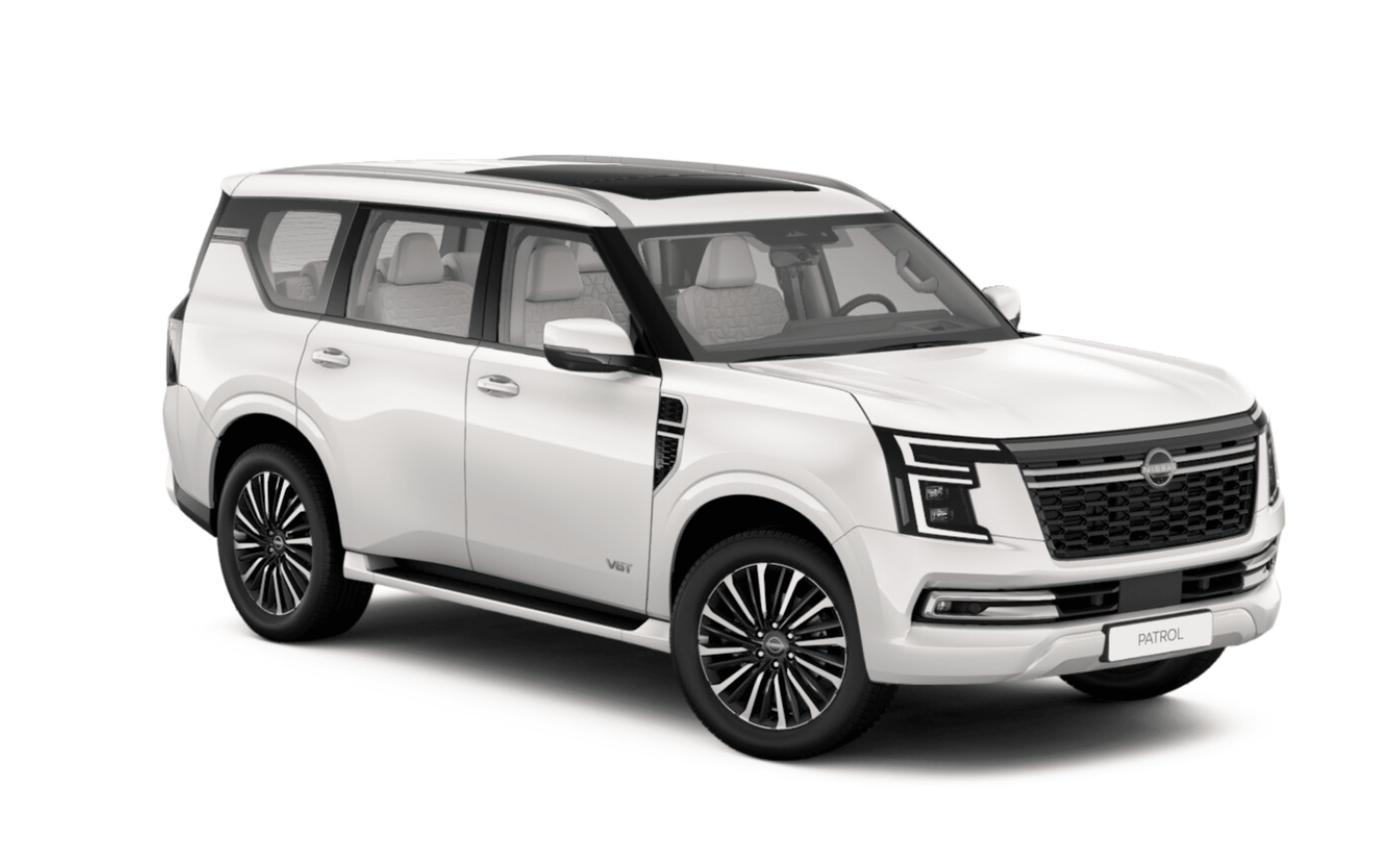 LHDAvailable
Nissan Patrol
 LHDAvailable
Nissan Patrol
 LHDAvailable
Nissan Patrol
LHDAvailableNissan Patrol
 LHDAvailable
Nissan Patrol
 LHDAvailable
Nissan Patrol
LHDAvailableNissan Patrol
 RHDAvailable
Nissan Patrol
 RHDAvailable
Nissan Patrol
 RHDAvailable
Nissan Patrol
Frequently Asked Questions
Everything you need to know about importing the Nissan Patrol 2027
Export & Pricing
Specifications
Ordering & Delivery
Patrol Variants & Similar Models
Explore Nissan vehicles and similar SUVs available for export from Australia.