

Introduction
Importing a new car to Argentina costs 66.98% of its CIF value in definitive border taxes: 35% duty, a 3% statistics fee and 21% VAT. A company importing for resale also pays three creditable tax advances at clearance, so it needs about 106% of CIF in cash. Only new, left-hand-drive vehicles can be imported.
Argentina is one of the simplest tax structures in South America to calculate, and one of the most expensive to clear in cash.
It is simple because the duty is flat. Every new passenger car and light pickup from every IPAS origin pays the same 35% import duty (derecho de importación extrazona), whether it is a 1.0-litre city car, a hybrid, an electric car or a supercharged V8 pickup. The luxury tax on expensive cars (impuestos internos) ended on 1 April 2026, and the PAIS tax on imports expired in December 2024. Neither applies any more.
It is cash-hungry because Argentina collects three tax advances (percepciones) at the border on top of the definitive taxes. A registered company gets them back as credits against its own VAT, income tax and gross-receipts tax, but the money must be paid before the car is released.
And the gates are strict: no used cars and no right-hand drive.
Quick Facts
| Detail | Information |
|---|---|
| Customs Authority | Dirección General de Aduanas (DGA), part of ARCA (Agencia de Recaudación y Control Aduanero, formerly AFIP) |
| Vehicle regime and homologation | Secretaría de Industria y Comercio (model licence, LCM) and Secretaría de Ambiente (environmental licence, LCA) |
| Registration | DNRPA (national motor vehicle registry), after release |
| Traffic Side | Right-hand traffic (drive on the right) |
| Steering Requirement | LHD only. Controls must be on the left by law (Ley 24.449, article 30) |
| Import duty (DIE) | 35% on every new passenger car and light pickup, any drivetrain, from every IPAS origin |
| Statistics fee (tasa de estadística) | 3% of CIF (capped at US$180 when CIF is under US$10,000) |
| VAT (IVA) | 21% on CIF + duty + statistics fee |
| Definitive border tax | 66.98% of CIF |
| Tax advances at clearance | VAT advance 20%, income-tax advance 6% and gross-receipts advance 2.5%, creditable for a registered company |
| Cash at clearance, company importing for resale | 106.235% of CIF |
| Luxury tax (impuestos internos) | None since 1 April 2026 |
| PAIS tax | None (expired 23 December 2024) |
| Used vehicles | Not admissible (collector cars over 30 years old only, with a permit) |
| Model year | No model-year limit for new vehicles |
| Main Seaport | Zárate, IPAS's only Argentine port |
| Currency | Argentine peso (ARS). The declaration is made in pesos at the official exchange rate |
Types of Cars That Can Be Imported
New only. Used vehicles cannot be imported
Decreto 110/1999, article 7 (as amended by Decreto 273/2025), is direct: "Los vehículos automotores usados no podrán ser nacionalizados" — used motor vehicles cannot be nationalised. The exceptions are narrow: Argentine citizens returning after at least a year abroad, foreigners taking up residence, diplomats, special-purpose vehicles, and collector or historic vehicles more than 30 years old with an FOB value of at least US$12,000, which need an authorisation from the Secretaría de Industria y Comercio.
The 2025 opening that lets individuals import cars directly (Resolución SIyC 271/2025) covers new vehicles only.
A car that has been registered abroad, even with delivery mileage (a European day registration or a Japanese registered-but-unused car), is treated by IPAS as used and is not offered for Argentina. A brand-new, never-registered car is new.
Steering: left-hand drive only
Argentina's traffic law requires every motor vehicle to have its controls and instruments on the left (Ley 24.449, article 30, inciso n). Right-hand-drive vehicles cannot be registered, and IPAS does not offer right-hand-drive-to-left conversion for Argentina.
Homologation: LCM and LCA
Every new series-production vehicle, local or imported, needs a model licence (Licencia de Configuración de Modelo, LCM) for safety and an environmental licence (Licencia de Configuración Ambiental, LCA) for emissions and noise before it can be used on public roads (Decreto 779/1995, Annex 1, article 28, as replaced by Decreto 196/2025). Since 2025 a homologation from a UN-recognised certifier is enough, and US-built passenger cars and light trucks certified to US federal standards are accepted on the manufacturer's test reports. An individual's single personal-use import is covered without a new licence.
Model year
Argentina sets no model-year or build-age limit for new vehicles. A brand-new car from last year's model year can be imported.
Origin
No IPAS origin country is banned. Unlike many markets, origin also changes almost nothing in the tax bill today, as explained below.
Cars You Can Import to Argentina
Each card is a full landed-cost calculation: the car's price, shipping, every duty and tax, and handling, worked out on 9 November 2026 with the rules in force that day. All are left-hand drive to suit Argentina's roads. Tap a car to see its full breakdown, or open it to change the trim, colour or port.
More cars you can import to Argentina
New cars IPAS sources to order that meet Argentina's import rules. Prices are ex works, before shipping and duty. Open a car to work out its full landed cost.
 LHDBackorder2025
Chevrolet Corvette E-Ray Convertible
Convertible · 3 VariantsHybridFrom $137,500Ex Works, USA LHDBackorder2026
Chevrolet Corvette ZR1 Coupe
Coupe · 2 VariantsPetrolFrom $202,000Ex Works, USA LHD/C-RHDBackorder2025
Chevrolet Suburban
SUV · 14 VariantsPetrol · DieselFrom $81,700Ex Works, USA LHDBackorder2026
Jeep Grand Wagoneer
SUV · 7 VariantsPetrolFrom $76,800Ex Works, USA LHDBackorder2026
Mercedes-Benz S-Class
Sedan · 2 VariantsHybridFrom $131,800Ex Works, Canada LHDBackorder2026
Mercedes-Benz AMG E-Class
Sedan · 1 VariantPlug-in HybridFrom $97,000Ex Works, Canada LHDBackorder2027
Mercedes-Benz Maybach S-Class
Sedan · 3 VariantsHybrid · Plug-in HybridFrom $206,200Ex Works, Germany LHDBackorder2025
Toyota Tacoma
Pickup · 11 VariantsPetrol · HybridFrom $37,900Ex Works, USA LHDBackorder2026
Toyota bZ
SUV · 5 VariantsElectricFrom $41,900Ex Works, USA LHDBackorder2026
Toyota Land Cruiser 76
SUV · 5 VariantsPetrolFrom $51,400Ex Works, UAE LHDBackorder2027
Ford Expedition
SUV · 13 VariantsPetrolFrom $76,300Ex Works, USA LHD/C-RHDBackorder2026
Ford Super Duty F-450 DRW
Pickup · 5 VariantsDieselFrom $73,600Ex Works, USA LHDBackorder2026
Cadillac VISTIQ
SUV · 4 VariantsElectricFrom $92,900Ex Works, USA LHDBackorder2026
Infiniti QX80
SUV · 6 VariantsPetrolFrom $100,500Ex Works, USA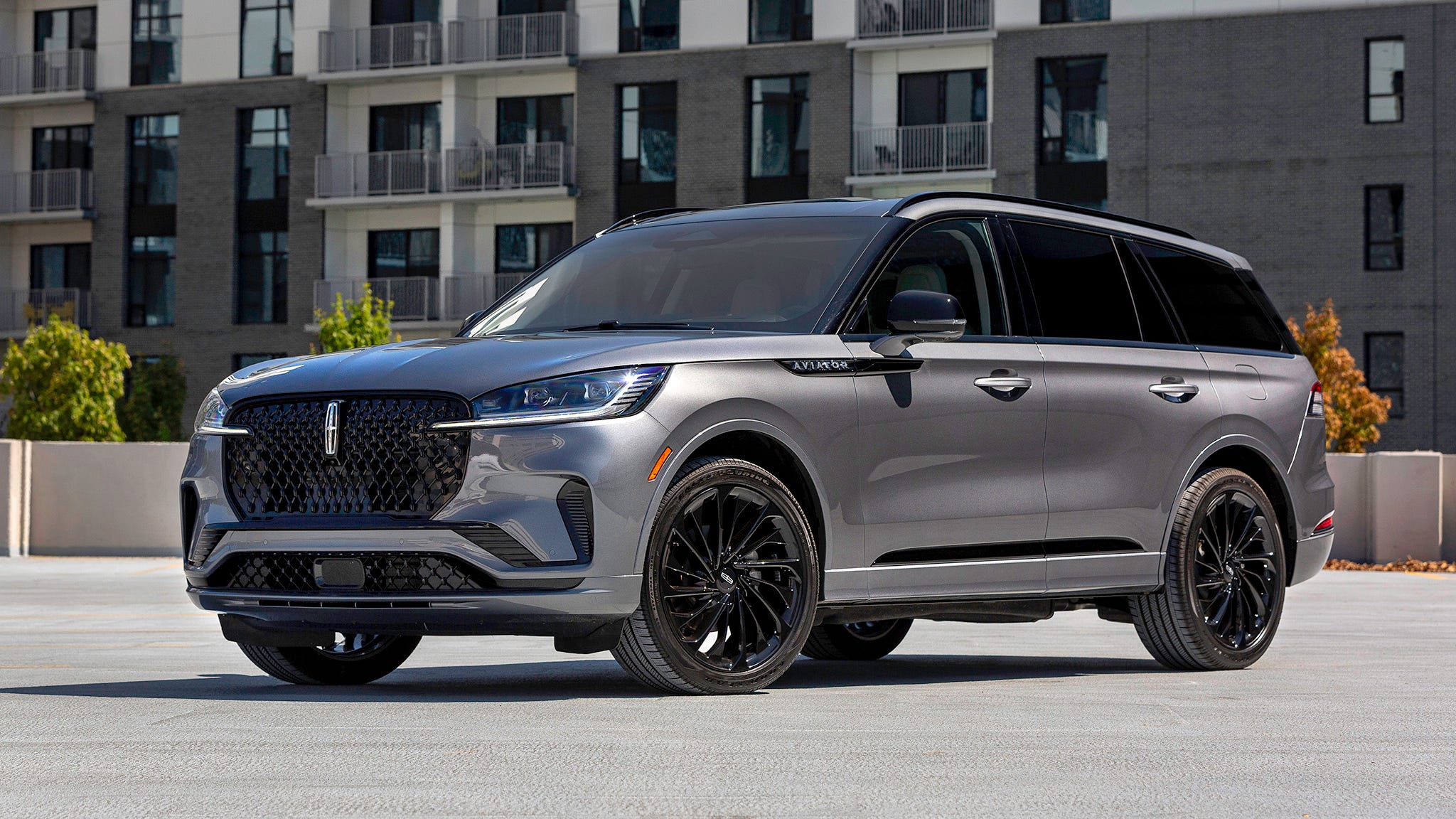 LHDBackorder2026
Lincoln Aviator
SUV · 5 VariantsPetrolFrom $70,300Ex Works, USA LHDBackorder2026
Nissan Armada
SUV · 4 VariantsPetrolFrom $72,800Ex Works, Canada
Ports Supporting Vehicle Import
| Port | Location | Role |
|---|---|---|
| Port of Zárate (ARZAE) | Zárate, Buenos Aires province, on the Paraná river | IPAS's port of entry for Argentina: container shipments |
IPAS ships every Argentine order to Zárate, Argentina's main vehicle port, about 90 km north-west of Buenos Aires. The port of entry does not change any tax: duty, the statistics fee, VAT and the tax advances are national and identical at every Argentine port. Port, terminal, customs-broker (despachante de aduana) and registration charges are separate from the import taxes.
The Tierra del Fuego special customs area and Argentina's free zones are outside this guide. A car imported through Zárate for use on the mainland pays the full national cascade.
Restrictions on Vehicle Import for Individuals
- Individuals may now import directly. Since 2025, a private person can import one new vehicle per calendar year for personal use (Resolución SIyC 271/2025, article 13), using ARCA's simplified procedure. The car cannot be sold for two years.
- The tax advances differ for individuals. A personal-use import pays no VAT advance, but the income-tax advance rises from 6% to 11% (RG AFIP 2281/2007, article 5). That gives about 85.5% of CIF in cash at clearance, or 82.2% if the gross-receipts advance does not apply to that individual (IPAS is confirming this point).
- Companies importing a car as a fixed asset (a vehicle kept by the business for more than two years, not resold) pay none of the three advances: 66.98% of CIF.
- The used and steering gates above apply to everyone.
Duty Structure Overview
Argentina charges three definitive taxes at the border:
- Import duty (derecho de importación extrazona, DIE) at 35% of the CIF customs value. The customs value is CIF Zárate: the purchase price plus freight and insurance to the port (Decreto 1026/1987, article 5).
- Statistics fee (tasa de estadística) at 3% of CIF (Decreto 1140/2024, in force until 31 December 2027). Below a CIF of US$10,000 it is capped at US$180; above that, the 3% stands.
- VAT (IVA) at 21% on CIF + duty + statistics fee (Ley de IVA, articles 25 and 28).
That is 66.98% of CIF for any car with a CIF of US$10,000 or more.
The three tax advances (percepciones)
On top, ARCA collects three advance payments at clearance. They are not a final cost for a registered company, which credits them against its own tax returns, but they must be paid in cash before release:
| Advance | Rate | Base | Instrument |
|---|---|---|---|
| VAT advance (percepción de IVA) | 20% | CIF + duty + statistics fee | RG AFIP 2937/2010, article 7 |
| Income-tax advance (percepción de Ganancias) | 6% (11% for a personal-use import) | CIF + duty + statistics fee | RG AFIP 2281/2007, articles 5–6 |
| Gross-receipts advance (percepción de Ingresos Brutos, SIRPEI) | 2.5% | CIF + duty | RG Comisión Arbitral 3/2013 |
For a company importing for resale, the cash needed at clearance is:
Cash at clearance = 35% + 3% + (1.38 × 21%) + (1.38 × 20%) + (1.38 × 6%) + (1.35 × 2.5%) = 106.235% of CIF
IPAS's calculator shows this full cash figure, with the definitive 66.98% stated alongside it.
The rate grid
| Vehicle | Duty | Statistics fee | VAT | Definitive | Cash at clearance (company for resale) |
|---|---|---|---|---|---|
| Petrol or diesel car | 35% | 3% | 21% | 66.98% | 106.235% |
| Hybrid or plug-in hybrid | 35% | 3% | 21% | 66.98% | 106.235% |
| Battery-electric | 35% | 3% | 21% | 66.98% | 106.235% |
| Pickup (single, extended or double cab) | 35% | 3% | 21% | 66.98% | 106.235% |
| Any of the above, CIF under US$10,000 | 35% | US$180 cap | 21% | slightly lower | slightly lower |
Engine size, drivetrain and body style do not change the rate. They only select the tariff line printed on the declaration.
Worked example 1: Ram 1500 TRX SRT 6.2 supercharged V8 crew cab, new, US origin, CIF US$115,000
| Charge | Calculation | Amount (USD) |
|---|---|---|
| Import duty | 115,000 × 35% | 40,250 |
| Statistics fee | 115,000 × 3% | 3,450 |
| VAT | (115,000 + 40,250 + 3,450) × 21% | 33,327 |
| Definitive border tax | 77,027 (66.98% of CIF) | |
| VAT advance | 158,700 × 20% | 31,740 |
| Income-tax advance | 158,700 × 6% | 9,522 |
| Gross-receipts advance | (115,000 + 40,250) × 2.5% | 3,881.25 |
| Cash at clearance | 122,170.25 (106.235% of CIF) |
The TRX is a pickup with an open bed, so it is classified as a goods vehicle (HS 8704.31.90) rather than a passenger car. In Argentina today that changes the tariff line, not the money: both pay 35%.
Worked example 2: Toyota Hilux 2.8 diesel double cab, new, Thai origin, CIF US$32,000
| Charge | Calculation | Amount (USD) |
|---|---|---|
| Import duty | 32,000 × 35% | 11,200 |
| Statistics fee | 32,000 × 3% | 960 |
| VAT | (32,000 + 11,200 + 960) × 21% | 9,273.60 |
| Definitive border tax | 21,433.60 (66.98% of CIF) | |
| VAT advance | 44,160 × 20% | 8,832 |
| Income-tax advance | 44,160 × 6% | 2,649.60 |
| Gross-receipts advance | (32,000 + 11,200) × 2.5% | 1,080 |
| Cash at clearance | 33,995.20 (106.235% of CIF) |
Worked example 3: Suzuki Alto 1.0 petrol, new, Indian origin, CIF US$9,000
| Charge | Calculation | Amount (USD) |
|---|---|---|
| Import duty | 9,000 × 35% | 3,150 |
| Statistics fee | 3% would be 270; capped at US$180 below CIF US$10,000 | 180 |
| VAT | (9,000 + 3,150 + 180) × 21% | 2,589.30 |
| Definitive border tax | 5,919.30 (65.77% of CIF) | |
| VAT advance | 12,330 × 20% | 2,466 |
| Income-tax advance | 12,330 × 6% | 739.80 |
| Gross-receipts advance | (9,000 + 3,150) × 2.5% | 303.75 |
| Cash at clearance | 9,428.85 (104.765% of CIF) |
The MERCOSUR–India trade agreement does not cover passenger cars, so the Indian-built Alto pays the full 35%.
Worked example 4: BYD Dolphin, battery-electric, new, Chinese origin, CIF US$30,000
| Charge | Without an assigned quota | With an assigned quota unit (FOB ≤ US$35,000) |
|---|---|---|
| Import duty | 10,500 (35%) | 0 |
| Statistics fee | 900 | 900 |
| VAT | 8,694 | 6,489 |
| Definitive border tax | 20,094 (66.98%) | 7,389 (24.63%) |
| Three tax advances | 11,776.50 | 8,784 |
| Cash at clearance | 31,870.50 (106.235%) | 16,173 (53.91%) |
All four results match IPAS's live customs calculation for Argentina. Amounts are shown in dollars; the declaration is made in pesos at the official exchange rate, which does not change the percentages.
These examples show the structure. Get the exact figure for your vehicle using CarImport.AI.

Calculate your exact import duty to Argentina
Get a vehicle-specific duty and full landed-cost breakdown — HS classification, every tax, levy and FTA, plus shipping — calculated for your exact make, model and specs.
- Vehicle-specific HS code
- All duties, taxes & FTAs
- Shipping + est. landed cost
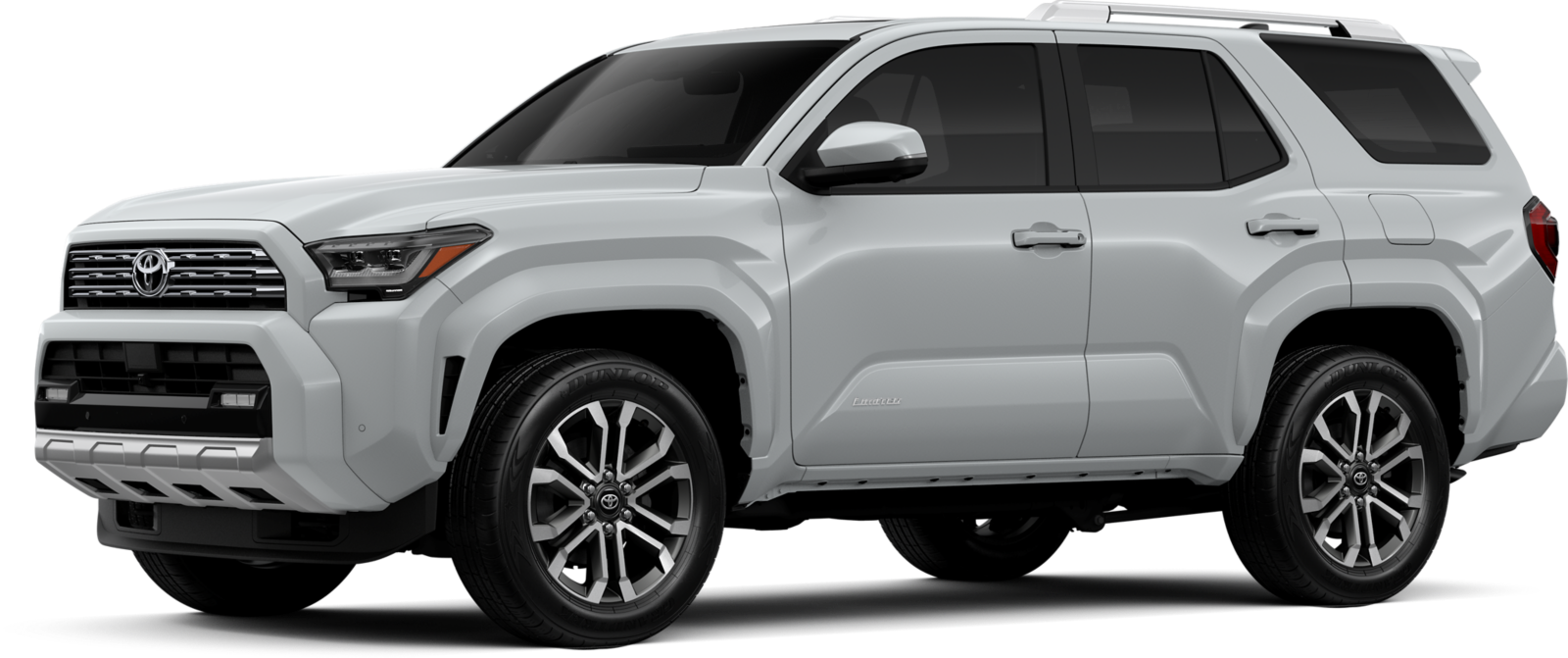
Worked Example: Importing a 2026 Toyota 4Runner to Argentina
Here is the full landed cost of one car, a 2026 Toyota 4Runner shipped from the USA to Argentina, worked out on 9 November 2026 with the customs rules in force that day. It lands at 186,334,746 ARS (about US$120,574), and duties and taxes come to 106.2% of its CIF value.
| Item | Share of CIF | Amount |
|---|---|---|
| Vehicle priceIPAS price for a car sourced in the USA | 77,578,949 ARSUS$50,200 | |
| Shipping and insuranceUSA to Argentina | 8,785,584 ARSUS$5,685 | |
| CIF valueCost, insurance and freight: the customs value | 86,364,534 ARSUS$55,885 | |
| Customs duties and taxes | ||
| Basic customs duty (35%)35% of CIF | 30,227,973 ARSUS$19,560 | |
| Additional duty (20%)Base or related charges differ from CIF; see the duty structure above42.3% of CIF | 36,493,014 ARSUS$23,614 | |
| GST/VAT (21%)Base or related charges differ from CIF; see the duty structure above29% of CIF | 25,027,711 ARSUS$16,195 | |
| Total duties and taxes106.2% of CIF | 91,748,698 ARSUS$59,369 | |
| Service and handling | ||
| Premium Import ServiceOptional end-to-end import management by IPAS | 5,254,351 ARSUS$3,400 | |
| Destination handlingPort terminal and customs clearance handling | 2,967,163 ARSUS$1,920 | |
| Total landed cost | 186,334,746 ARSUS$120,574 | |
Electric and Hybrid Vehicles: the Quota, Not the Tariff
Argentina has a 0% duty quota for electrified cars (Decreto 49/2025, as amended by Decreto 1128/2026 from 1 October 2026), but it is not available to every importer:
- 50,000 units a year, assigned by the Secretaría de Industria y Comercio to companies through calls. A buyer without an assigned unit pays the full 35%.
- FOB price caps: US$16,000 for mild hybrids, US$18,000 for hybrids and plug-in hybrids, US$35,000 for battery-electric cars. A car above its cap pays 35% even for a quota holder.
- Pickups are excluded. Electric and hybrid pickups always pay 35%.
- VAT, the statistics fee and the tax advances still apply to quota units.
IPAS quotes the standard 35% unless the importer holds an assigned quota unit for that car. A battery-electric car with an assigned unit and FOB under US$35,000 drops to 24.63% definitive (53.91% cash at clearance).
Trade Agreements: Little Help for IPAS Origins Today
| Where the car was built | Agreement | Duty on cars | Duty on pickups |
|---|---|---|---|
| United States, Canada, UK, Japan, South Korea, China, Thailand, UAE, Australia, New Zealand | None in force with Argentina | 35% | 35% |
| India | MERCOSUR–India preferential agreement, which lists no car or pickup lines | 35% | 35% |
| Mexico | ACE 55 automotive agreement: the zero-duty quota lapsed on 18 March 2026 and was assigned to exporters | 35% | 35% |
| Germany, Belgium and the rest of the EU | MERCOSUR–EU Interim Trade Agreement (Ley 27.800), applied provisionally from 1 May 2026 | 35%, or 17.5% inside Argentina's 15,500-unit annual quota | 35% |
Two points matter:
- Mexican cars are not duty-free any more. The ACE 55 quota that let Mexican-built cars enter at 0% expired on 18 March 2026. No renewal has been published; IPAS is watching for one.
- EU cars get 17.5% only inside the quota. The new MERCOSUR–EU agreement halves the duty for EU-built passenger cars, but only within an annual allocation of 15,500 units for Argentina, handed out first come, first served. Outside it the 35% applies. IPAS quotes 35% by default.
Pickups: Goods Vehicles, Same Tax
Argentina classifies pickups with an open cargo bed as goods vehicles (HS 8704), including double cabs and "cabina y media" extended cabs; the Argentine tariff even has its own double-cab sub-lines. SUVs built on pickup platforms (Fortuner, Everest, Land Cruiser) are passenger cars (HS 8703).
Until March 2026 the classification mattered because the luxury tax treated cars and pickups differently. With that tax gone, a pickup and a car pay exactly the same: 35% duty, 3% statistics fee and 21% VAT. Full-size US pickups such as the Ram 1500, Ford F-150 and Chevrolet Silverado land at 66.98% definitive, 106.235% in cash for a company importing for resale.
Components That No Longer Apply
- Impuestos internos (luxury tax on cars): 0 since 1 April 2026. Ley 27.802 (published 6 March 2026, article 195) abolished the internal tax on cars from the first day of the following month. Earlier guides that add an 18% or 20% luxury tax on expensive cars are out of date.
- Impuesto PAIS: 0 since 23 December 2024. It was levied for five fiscal years under Ley 27.541 and expired.
- No general duty cut. Reports of a reduction of car import duty to 20% do not match Argentina's operative tariff, which applies 35% on every new car and pickup line. Only quota units pay less.
If an Argentine estimate contains a luxury tax or a PAIS line, it is using retired rules.
Documents Required for Import
- Commercial invoice showing the purchase price and FOB value
- Bill of Lading (original or telex release)
- Packing list with make, model, model year, VIN, engine and drivetrain
- Manufacturer's documents showing the car is new and has never been registered
- LCM and LCA homologation (or the extension of an existing model's licence), or the personal-use simplified procedure for an individual
- Proof of origin where an EU in-quota allocation or a quota unit is claimed
- Import declaration, filed through a licensed customs broker (despachante de aduana)
Customs Clearance Process
| Stage | What happens |
|---|---|
| Before buying | Confirm the car is new, never registered and left-hand drive, and check the homologation route (LCM/LCA or the personal-use procedure) |
| Before shipping | Arrange the importer registration and the broker; plan cash for the full clearance amount, including the tax advances |
| Arrival at Zárate | The car is discharged and the import declaration is lodged with the tariff line and CIF value |
| Payment | Duty, statistics fee, VAT and the three tax advances are paid before release |
| Release and registration | Registration with the DNRPA and plates |
IPAS does not publish a fixed clearance time for Argentina. The avoidable delays are the homologation and the cash for the tax advances, both of which belong before purchase.
Recent Regulatory Changes (2024–2026)
- 23 December 2024: PAIS tax expires (Ley 27.541, article 35).
- 1 January 2025: statistics fee set at 3% with a US$180 cap below CIF US$10,000 (Decreto 1140/2024, in force to 31 December 2027).
- 31 January 2025: 0% duty quota for electrified cars (Decreto 49/2025), later amended by Decreto 44/2026 and Decreto 1128/2026.
- 18 March 2025: homologation opened to UN-recognised and US certifications (Decreto 196/2025).
- 16 April 2025: used-vehicle rule restated with the collector-car route (Decreto 273/2025).
- 2025: individuals may import one new car a year for personal use (Resolución SIyC 271/2025).
- 18 March 2026: ACE 55 Mexico zero-duty quota lapses.
- 1 April 2026: luxury tax on cars abolished (Ley 27.802).
- 1 May 2026: MERCOSUR–EU interim agreement applied provisionally (Ley 27.800), with the 15,500-unit 17.5% quota for EU cars.
- 1 October 2026: new FOB caps for the electrified-car quota (Decreto 1128/2026).
Under review. IPAS's customs research reviews these Argentine points on 26 November and 26 December 2026: how the EU quota is claimed at clearance, any renewal of the ACE 55 Mexico quota, whether a car registered abroad with delivery mileage counts as used, the gross-receipts advance for individuals, and the numeric emission level behind the LCA. Until then IPAS quotes the conservative defaults described above.
Frequently Asked Questions
How much does it cost to import a car to Argentina?
The definitive border taxes are 66.98% of the CIF value: 35% import duty, a 3% statistics fee and 21% VAT on CIF plus duty and fee. A company importing for resale also pays three creditable tax advances at clearance, so it needs about 106.2% of CIF in cash. Port, broker and registration costs are extra.
Can I import a used car to Argentina?
No. Decreto 110/1999 bars used vehicles, with narrow exceptions for returning residents, diplomats, special-purpose vehicles and collector cars more than 30 years old with an FOB value of at least US$12,000, which need an authorisation.
Is there still a luxury tax on imported cars in Argentina?
No. The internal tax on cars (impuestos internos) was abolished from 1 April 2026 by Ley 27.802, and the PAIS tax on imports expired on 23 December 2024.
Are electric cars duty-free in Argentina?
Only inside the electrified-vehicle quota. Companies with an assigned unit pay 0% duty on a battery-electric car with an FOB value up to US$35,000 (US$18,000 for hybrids). Everyone else pays the standard 35%.
Do US or Mexican cars get a lower duty in Argentina?
No. Argentina has no trade agreement with the United States, and the ACE 55 zero-duty quota for Mexican cars lapsed on 18 March 2026. Both pay 35%. EU-built cars can get 17.5% inside a 15,500-unit annual quota.
Can a private individual import a new car to Argentina?
Yes. Since 2025 an individual can import one new vehicle per calendar year for personal use, without a new homologation licence, and may not sell it for two years. The definitive taxes are the same 66.98%; the cash at clearance is about 85.5% of CIF because the VAT advance does not apply and the income-tax advance is 11%.
Can I import a right-hand-drive car to Argentina?
No. Argentine law requires vehicle controls on the left (Ley 24.449, article 30), so right-hand-drive vehicles cannot be registered, and IPAS does not offer conversion for Argentina.
Is a pickup taxed differently from a car in Argentina?
Not any more. Pickups are classified as goods vehicles (HS 8704), but since the luxury tax ended in April 2026 they pay the same 35% duty, 3% statistics fee and 21% VAT as passenger cars.
Ready to Import?
Argentina's tax bill is predictable: 35% duty on everything, 3% statistics fee and 21% VAT, for 66.98% of CIF. What needs planning is the cash at clearance (about 106% for a company importing for resale) and the gates: new, never registered and left-hand drive.
IPAS provides two tools to plan and execute your import:
CarImport.AI: Source a vehicle through IPAS and calculate the full landed cost to Argentina, running the complete cascade: import duty, statistics fee, VAT and the tax advances collected at clearance. Get an exact figure for your specific vehicle.
IPAS EXPRESS: Already have a vehicle? Get instant shipping quotes to Zárate — container sea freight or air — with transparent, itemised pricing and a stage-by-stage timeline.
Ready to Import Your Vehicle?
Two tools, two use cases. Pick the one that fits your needs.
Source a vehicle through IPAS and calculate the full landed cost — customs duties, shipping, and compliance — to destinations across the world.
Calculate Landed CostIPAS Express
Already have a vehicle? Get instant shipping quotes — sea freight, air freight, or RoRo — for one car or multiple vehicles worldwide.
Get Shipping Quote