
Introduction
A passenger car imported to DR Congo in 2026 pays about 71.88% of its CIF value in taxes and fees: 20% import duty, 20% excise on CIF plus duty (since 7 August 2026), 16% VAT on top, and 4.84% in CIF-based fees. Pickups pay about 51.58%. Used vehicles must be 20 years old or less, and LHD is required.
The Democratic Republic of the Congo is the largest country in sub-Saharan Africa by area and the fourth most populous on the continent, with over 100 million people spread across a territory the size of Western Europe. Its major urban centres -- Kinshasa (the capital and largest city in francophone Africa), Lubumbashi, Mbuji-Mayi, Goma, and Kisangani -- are experiencing rapid population growth and a corresponding surge in demand for personal and commercial vehicles.
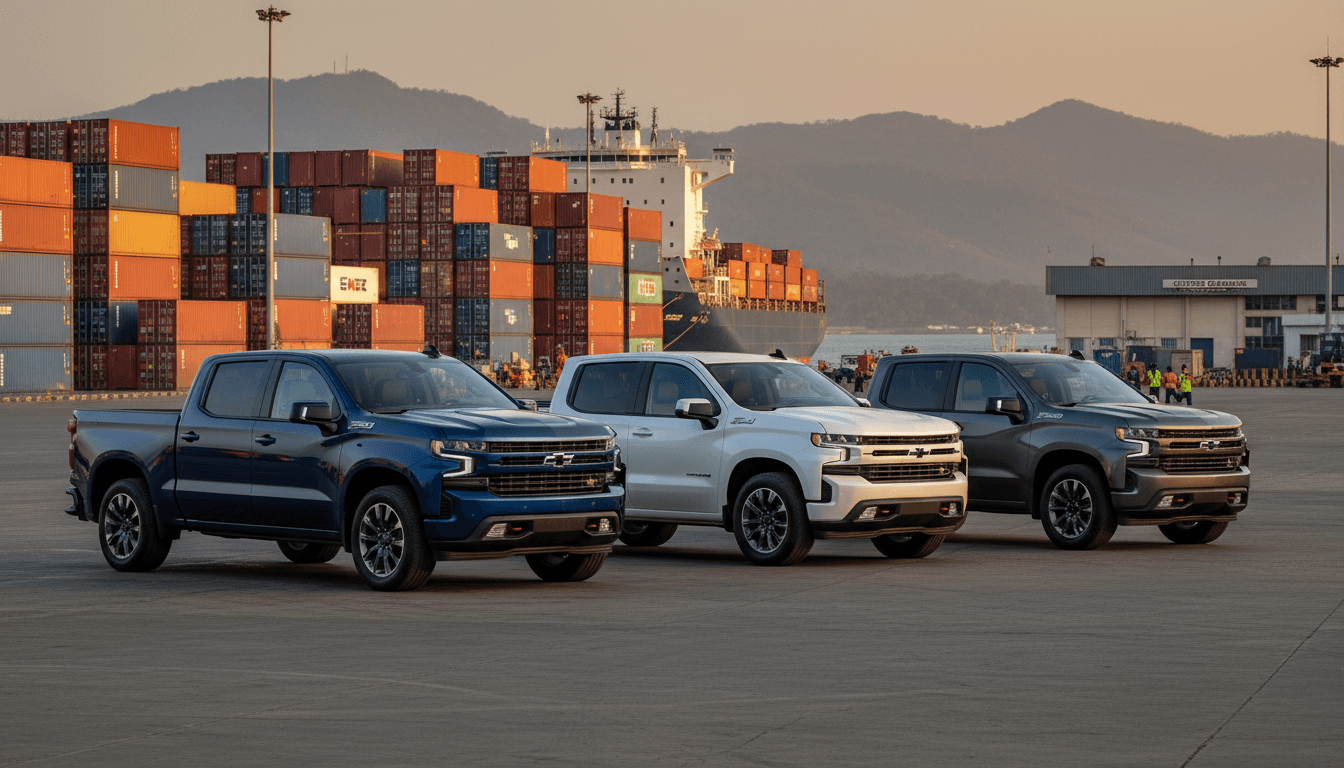
What makes DRC unique among African vehicle import markets is its geography and its multiple entry corridors. Unlike most countries that rely on a single primary port, DRC-bound vehicles can enter through the Atlantic coast (Port of Matadi), via East African transit ports (Mombasa in Kenya or Dar es Salaam in Tanzania), or through southern land borders (Kasumbalesa on the Zambia-DRC border). This creates flexibility for importers but also complexity -- each corridor has different transit times, costs, and logistical considerations.
The import process is administered by the DGDA (Direction Generale des Douanes et Accises). Pre-shipment verification is run by the OCC (Office Congolais de Controle) with Bureau Veritas BIVAC, and customs processing is electronic through the GUICE platform. DRC's customs framework has three cascading layers -- 20% import duty on CIF, excise on CIF plus duty, and 16% VAT on CIF plus duty plus excise -- and three fees charged on CIF alone: the RRI (2.25%), the OCC fee (2%) and the OGEFREM/FERI cargo-tracking fee (0.59%).
The biggest change for 2026 is vehicle excise. The amended finance law of 7 August 2026 (Loi n° 26/032) raised it to 20% for passenger cars and 15% for pickups and goods vehicles, new or used. Earlier sources quoting 5% or 10% are out of date. There is also no confirmed duty or VAT exemption for electric or hybrid cars: they currently pay the same as a petrol car.
DRC drives on the right and left-hand drive (LHD) is the norm. This is a critical consideration for importers routing vehicles through East African RHD markets like Kenya or Tanzania -- the vehicles themselves must be LHD even if the transit corridor passes through RHD countries.
This guide covers every step of importing a vehicle to DRC in 2026, from eligibility and pre-shipment inspection through customs clearance, duty payment, and registration.
For neighbouring markets in Central Africa, see our guide to importing a car to Cameroon.
Quick Facts
| Detail | Information |
|---|---|
| Customs Authority | DGDA (Direction Generale des Douanes et Accises) |
| Inspection | OCC pre-shipment verification with Bureau Veritas BIVAC -- mandatory |
| Electronic Customs | GUICE platform + Sydonia World software |
| Steering | Left-hand drive (LHD) required -- treat RHD as not admissible |
| Import Duty | 20% of CIF (passenger cars, HS 8703); 10% of CIF (pickups and goods vehicles, HS 8704) |
| Excise | 20% of (CIF + duty) for cars; 15% for pickups and goods vehicles -- since 7 August 2026 |
| VAT | 16% of (CIF + duty + excise) |
| RRI (IT fee) | 2.25% of CIF |
| OCC Fee | 2% of CIF |
| OGEFREM / FERI (cargo tracking) | 0.59% of CIF |
| EV / Hybrid Relief | None confirmed -- taxed like a petrol car |
| Used Vehicle Age Limit | 20 years since first put into circulation, with a technical-inspection certificate |
| New Vehicles | No age test |
| Primary Seaport | Port of Matadi (Atlantic coast) |
| Transit Ports | Mombasa (Kenya), Dar es Salaam (Tanzania) |
| Major Land Border | Kasumbalesa (DRC-Zambia) |
| Total Tax Burden | 71.88% of CIF (any passenger car); 51.58% (pickups and goods vehicles) |
| Currency | Congolese Franc (CDF); customs values are assessed in USD-equivalent in practice |
| Trade Blocs | SADC, COMESA, EAC and AfCFTA member |
Types of Cars That Can Be Imported
DRC permits the import of both new and used vehicles. The used-vehicle rules are set by Décret n° 12/041 of 2 October 2012, as amended by Décret n° 006 of 4 April 2017. The tax does not depend on engine size, fuel or age: every passenger car pays the same rates, and every pickup or goods vehicle pays its own (lower) rates.
New Vehicles
New passenger cars and commercial vehicles can be imported without age restrictions. They pay 20% import duty on CIF, 20% excise and 16% VAT, plus the RRI, OCC and FERI fees. New vehicles still require pre-shipment verification before loading at the origin. Import licensing through an authorized commercial bank is required for all vehicle imports.
Used Passenger Cars, Vans and Buses
A used vehicle -- one first put into circulation outside the DRC -- is admissible only if:
- it has been in circulation for no more than 20 years, and
- its good technical condition is certified by an inspection centre in the country of provenance approved by the DRC Ministries of Transport and Finance.
The importer presents the registration certificate, the legalised deed of sale and the legalised technical-inspection certificate. A vehicle that does not comply is re-exported or destroyed at the cost of the forwarder or carrier. The age is counted from first circulation, not from manufacture.
Used Trucks and Commercial Vehicles
Used lorries, trucks and other goods vehicles follow the same 20-year rule. They pay 10% import duty and 15% excise, the same as a new goods vehicle -- there is no extra excise for older vehicles.
Battery Electric Vehicles (BEVs)
Older guides describe a full duty and VAT exemption for electric cars. No such relief for a privately imported, fully built electric passenger car appears in the 2026 amended finance law or in the 2025 and 2026 finance bills, and the August 2026 excise rate applies to the whole passenger-car heading with no electric carve-out. Until an exemption is confirmed in an enacted finance-law annex, plan on a BEV paying the full 71.88% of CIF -- the same as a petrol car. IPAS is reviewing the enacted 2024-2026 finance-law annexes and will update this guide if a relief is confirmed.
Hybrid and Plug-In Hybrid Vehicles
Hybrids (HEV) and plug-in hybrids (PHEV) are classified separately (HS 8703.40-8703.70) but taxed exactly like a petrol car: 20% duty, 20% excise and 16% VAT, about 71.88% of CIF. No hybrid relief has been found.
Prohibited and Restricted Categories
- Right-hand drive (RHD) vehicles -- treat as not admissible
- Used vehicles in circulation for more than 20 years
- Used vehicles without a legalised technical-inspection certificate from an approved centre
- Salvage or written-off vehicles -- rejected during pre-shipment inspection
- Vehicles without valid pre-shipment verification
Get exact duty rates for your specific vehicle using CarImport.AI. The calculator applies DRC's full structure -- import duty, the August 2026 excise, VAT and the RRI, OCC and FERI fees.
Cars You Can Import to DR Congo
Each card is a full landed-cost calculation: the car's price, shipping, every duty and tax, and handling, worked out on 9 November 2026 with the rules in force that day. All are left-hand drive to suit DR Congo's roads. Tap a car to see its full breakdown, or open it to change the trim, colour or port.
More cars you can import to DR Congo
New cars IPAS sources to order that meet DR Congo's import rules. Prices are ex works, before shipping and duty. Open a car to work out its full landed cost.
 LHDBackorder2026
Toyota RAV4
SUV · 7 VariantsHybridFrom $38,300Ex Works, USA LHDBackorder2026
Toyota Land Cruiser 71
SUV · 2 VariantsPetrolFrom $55,100Ex Works, UAE LHDBackorder2026
Chevrolet Corvette E-Ray Convertible
Convertible · 3 VariantsHybridFrom $138,000Ex Works, USA LHD/C-RHDBackorder2026
Chevrolet Silverado 3500 HD
Pickup · 10 VariantsPetrol · DieselFrom $64,100Ex Works, USA LHDBackorder2026
Cadillac VISTIQ
SUV · 4 VariantsElectricFrom $92,900Ex Works, USA LHDBackorder2026
Denza N9
SUV · 6 VariantsPlug-in HybridFrom $61,900Ex Works, China🇨🇳 LHDBackorder2026
Lexus RZ
SUV · 5 VariantsElectricFrom $52,600Ex Works, Canada LHD/C-RHDBackorder2026
GMC Hummer EV SUV
SUV · 3 VariantsElectricFrom $102,000Ex Works, USA LHDBackorder2026
GMC Acadia
SUV · 5 VariantsPetrolFrom $52,600Ex Works, USA LHDBackorder2026
Xiaomi SU7
Sedan · 3 VariantsElectricFrom $31,400Ex Works, China🇨🇳 LHD/C-RHDBackorder2025
Ford Super Duty F-250
Pickup · 10 VariantsPetrol · DieselFrom $54,400Ex Works, USA LHD/C-RHDBackorder2026
Ram 1500
Pickup · 12 VariantsPetrolFrom $48,300Ex Works, USA LHD/C-RHDBackorder2026
Ram 2500
Pickup · 16 VariantsPetrol · DieselFrom $56,200Ex Works, USA LHD/C-RHDBackorder2026
Ram 3500
Pickup · 9 VariantsPetrol · DieselFrom $57,800Ex Works, USA LHDBackorder2026
Lincoln Corsair
SUV · 5 VariantsPetrol · Plug-in HybridFrom $48,000Ex Works, USA LHDBackorder2026
Infiniti QX80
SUV · 6 VariantsPetrolFrom $100,500Ex Works, USA
Seaports and Entry Points
DRC's enormous geography -- spanning from the Atlantic coast to the Great Lakes region of East Africa -- means vehicles enter the country through multiple corridors. The optimal entry point depends on the vehicle's origin, the importer's location within DRC, and cost considerations.
Seaports
| Port | Location | Notes |
|---|---|---|
| Port of Matadi | Atlantic coast (Kongo Central province) | Primary vehicle import port for western DRC and Kinshasa |
| Port of Boma | Atlantic coast | Secondary port, limited vehicle handling capacity |
Port of Matadi is DRC's primary Atlantic seaport and the main entry point for vehicles shipped directly from Europe, the Americas, and West Africa. Located approximately 350 km from Kinshasa on the Congo River, Matadi handles the majority of containerized and RoRo vehicle imports destined for the capital and western provinces. Customs clearance facilities are available on-site, with the Guichet Unique (One-Stop-Shop) operational for streamlined processing.
East African Transit Corridors
For importers in eastern and southern DRC, routing vehicles through East African ports is often more cost-effective and faster than shipping to Matadi.
| Transit Port | Country | Corridor | Best For |
|---|---|---|---|
| Port of Mombasa | Kenya | Northern Corridor via Uganda to eastern DRC | Goma, Bukavu, Kisangani -- most cost-effective sea freight option |
| Port of Dar es Salaam | Tanzania | Central Corridor to Lubumbashi and Katanga | Southern DRC, Lubumbashi, Kolwezi |
Mombasa (Kenya) is frequently cited as the most cost-effective sea freight option for DRC-bound vehicles, particularly those destined for the eastern provinces. Vehicles are shipped to Mombasa, cleared through Kenyan transit procedures, and transported overland through Uganda to DRC border crossings. Note that Kenya is an RHD market -- but the vehicles being transited must still be LHD for DRC import.
Dar es Salaam (Tanzania) serves as the primary transit point for vehicles destined for southern DRC, particularly Lubumbashi and the Katanga mining region. The Central Corridor connects Dar es Salaam to the DRC border via Tanzania and Zambia.
Land Border Crossings
| Border Post | Location | Corridor | Notes |
|---|---|---|---|
| Kasumbalesa | DRC-Zambia border | Southern Corridor | Major southern entry; Guichet Unique operational |
| Beni | Northeastern DRC | Uganda Corridor | Northeastern entry; Guichet Unique implemented |
| Lubumbashi | Southern DRC | Rail/road hub | Connected via Zambia/Zimbabwe southern corridor |
Kasumbalesa is the most significant land border crossing for vehicle imports, connecting DRC's Katanga province to Zambia's Copperbelt. A Guichet Unique (One-Stop-Shop) facility has been implemented here to streamline customs processing. This corridor is heavily used for vehicles transiting from Dar es Salaam through Zambia.
Transit Times (Indicative)
| Origin | Route | Transit Time |
|---|---|---|
| Europe (Antwerp, Hamburg) | Sea freight to Matadi | 25-35 days |
| USA (East Coast) | Sea freight to Matadi | 30-40 days |
| Japan / South Korea | Sea freight to Mombasa + overland | 35-50 days |
| India (Mumbai, Chennai) | Sea freight to Mombasa + overland | 30-45 days |
| South Africa | Overland via Zambia (Kasumbalesa) | 7-14 days |
| Kenya (Mombasa) | Overland via Uganda | 5-10 days |
Get real-time shipping quotes for your specific vehicle and origin using IPAS EXPRESS Pro Car Shipping.
Restrictions and Requirements
DRC enforces several non-negotiable requirements that importers must understand before committing to a vehicle purchase and shipment.
Steering Requirement -- LHD
DRC drives on the right and left-hand drive is the norm. IPAS has not found a published instrument that expressly bans right-hand drive imports, so treat LHD as required and RHD as not admissible -- the cautious position until the Highway Code or a Ministry of Transport order says otherwise. This is critically important for importers routing vehicles through East African corridors: the transit countries may be RHD, but the vehicle itself must be LHD for DRC import.
Buyers sourcing vehicles from Japan, the UK, Australia, Kenya, or other RHD markets must ensure the vehicle has been converted to LHD before shipment, or source an LHD-specification vehicle from those markets where available.
Age Limit (Décret n° 12/041, as amended in 2017)
- Used vehicles of every type: in circulation for no more than 20 years
- A legalised technical-inspection certificate from an approved centre in the country of provenance is required
- New vehicles (never registered): no age test
- Non-compliant vehicles: re-exported or destroyed at the forwarder's or carrier's cost
Sources that quote 10 years for cars or 7 years for buses do not reflect the current text: since the 2017 amendment, the limit is 20 years for every used vehicle.
Pre-Shipment Verification (OCC / Bureau Veritas BIVAC) -- Mandatory
Goods valued at $2,500 or more (rules effective June 29, 2025) must undergo pre-shipment verification under the OCC programme run with Bureau Veritas BIVAC. This is a condition for customs clearance. The inspection covers:
- Physical condition and roadworthiness
- Chassis number verification
- Engine specifications and capacity
- Age verification against documentation
- LHD verification (RHD vehicles are rejected)
- Completeness (no missing major components)
An Attestation de Verification (AV) certificate is issued upon passing. Without this certificate, the vehicle cannot clear customs in DRC. Electric vehicles are inspected like any other vehicle.
Import License -- Required
An import license is mandatory for all vehicle imports and must be obtained from an authorized commercial bank before shipment. This is a banking/trade formality, not a government permit, but it is a prerequisite for customs clearance.
Cargo Tracking Note (FERI / BSC) -- Required
An electronic cargo tracking note (FERI, also called Bordereau de Suivi des Cargaisons or BSC) managed by OGEFREM is mandatory for maritime cargo entering DRC. Its fee is collected by the DGDA with the customs assessment, at 0.59% of CIF. It must be obtained before the vessel departs the origin port.
All Documents Must Be in French
DRC's official language for customs and administrative purposes is French. All import documentation -- commercial invoices, bills of lading, inspection certificates, and supporting documents -- must be in French or accompanied by certified French translations.
Duty Structure Overview
DRC's vehicle import taxes are charged in a fixed order on the CIF (Cost, Insurance, Freight) value. Import duty is charged on CIF. Excise is charged on CIF plus duty. VAT is charged on CIF plus duty plus excise. Three fees -- the RRI, the OCC fee and the OGEFREM/FERI fee -- are charged on CIF alone and do not enter the VAT base.
The tax depends only on the tariff heading. Every passenger car (HS 8703) -- petrol, diesel, hybrid, plug-in hybrid or electric, new or used, small or large engine -- pays the same rates. Pickups and goods vehicles (HS 8704) pay lower duty and excise.
| Component | Base | Passenger Car (HS 8703) | Pickup / Goods Vehicle (HS 8704) |
|---|---|---|---|
| Import Duty | CIF | 20% | 10% |
| Excise | CIF + duty | 20% | 15% |
| VAT | CIF + duty + excise | 16% | 16% |
| RRI (IT fee) | CIF | 2.25% | 2.25% |
| OCC fee | CIF | 2% | 2% |
| OGEFREM / FERI | CIF | 0.59% | 0.59% |
| Total Tax Burden | 71.88% of CIF | 51.58% of CIF |
Worked Example: New Petrol Car vs Double-Cab Pickup, CIF USD 30,000
| Component | Passenger Car (USD) | Pickup (USD) |
|---|---|---|
| Import Duty | 6,000 | 3,000 |
| Excise | 7,200 | 4,950 |
| VAT | 6,912 | 6,072 |
| RRI | 675 | 675 |
| OCC fee | 600 | 600 |
| OGEFREM / FERI | 177 | 177 |
| Total taxes and fees | 21,564 (71.88%) | 15,474 (51.58%) |
Excise changed on 7 August 2026. The amended finance law (Loi n° 26/032, art. 8) set vehicle excise at 20% for passenger cars and 15% for pickups and goods vehicles (and 15% for buses of 10 or more seats). It replaced the 5% of the 2018 Excise Code and the 10% of the 2025 finance law. The law's own annex still reprints the old 10% figure, but article 8 is the operative text and DGDA systems apply 20%/15%. Expect this to be confirmed or revised in the 2027 finance law, promulgated in late December.
The import duty rates (20% / 10%) and the OCC and FERI fee rates are the long-standing values applied by the calculator; IPAS is still confirming them against the published tariff and fee orders, so treat them as current until DRC publishes a change. Engine size does not change the duty, so a 1.0 L city car and a 5.0 L SUV pay the same percentage of CIF.
DRC is a member of SADC, COMESA, the EAC and AfCFTA. Preferential rates apply only to goods originating in those blocs with a valid certificate of origin. Vehicles built in the USA, Canada, the UK, the EU, the UAE, Japan, Korea, China, Thailand, India, Australia, New Zealand or Mexico pay the full rates above.
Get exact duty rates for your specific vehicle using CarImport.AI. The calculator covers DRC's full duty structure -- import duty, excise, VAT, RRI, OCC and FERI -- tailored to your vehicle's classification and CIF value.

Calculate your exact import duty to DR Congo
Get a vehicle-specific duty and full landed-cost breakdown — HS classification, every tax, levy and FTA, plus shipping — calculated for your exact make, model and specs.
- Vehicle-specific HS code
- All duties, taxes & FTAs
- Shipping + est. landed cost
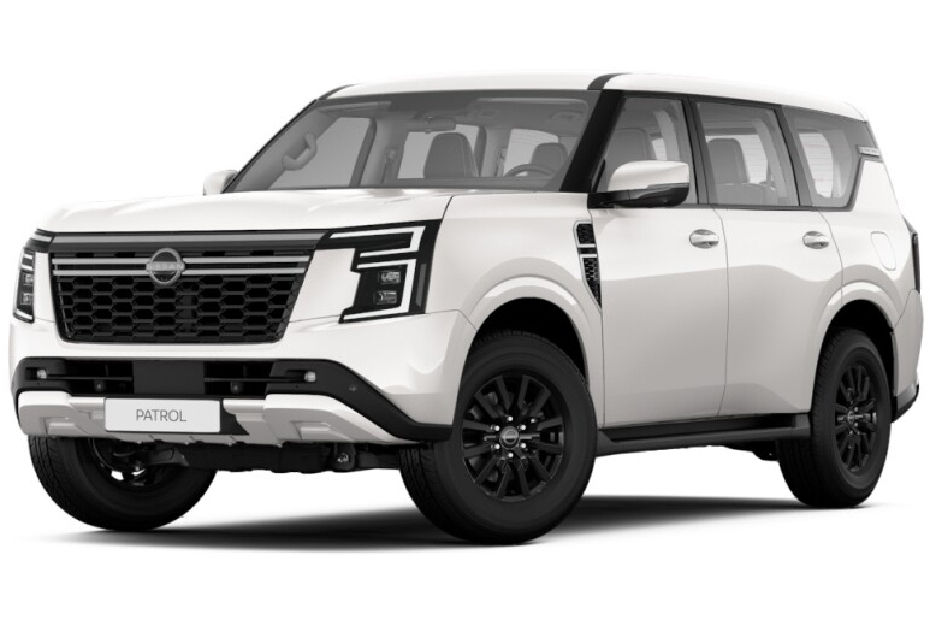
Worked Example: Importing a 2026 Nissan Patrol to DR Congo
Here is the full landed cost of one car, a 2026 Nissan Patrol shipped from the UAE to the DR Congo, worked out on 9 November 2026 with the customs rules in force that day. It lands at US$152,603, and duties and taxes come to 71.9% of its CIF value.
| Item | Share of CIF | Amount |
|---|---|---|
| Vehicle priceIPAS price for a car sourced in the UAE | US$74,700 | |
| Shipping and insuranceUAE to DR Congo | US$10,455 | |
| CIF valueCost, insurance and freight: the customs value | US$85,155 | |
| Customs duties and taxes | ||
| Basic customs duty (20%)20% of CIF | US$17,031 | |
| Additional duty (20%)Base or related charges differ from CIF; see the duty structure above28.8% of CIF | US$24,559 | |
| GST/VAT (16%)Base or related charges differ from CIF; see the duty structure above23% of CIF | US$19,620 | |
| Total duties and taxes71.9% of CIF | US$61,210 | |
| Service and handling | ||
| Premium Import ServiceOptional end-to-end import management by IPAS | US$4,318 | |
| Destination handlingPort terminal and customs clearance handling | US$1,920 | |
| Total landed cost | US$152,603 | |
Documents Required
DRC requires a comprehensive set of documents for vehicle import clearance. All documents must be in French or accompanied by certified French translations. Documentation is processed through the GUICE electronic platform and verified at multiple stages.
Commercial and Shipping Documents
| Document | Details |
|---|---|
| Commercial Invoice | Must include make, model, year, engine specification, chassis number, HS code, and declared CIF value |
| Pro Forma Invoice | Required for customs valuation and import license application |
| Bill of Lading or Air Waybill | Original, must match consignee details in customs declaration |
| Packing List | Itemized contents if shipping in a container with other goods |
| Insurance Certificate | Proof of marine/transit coverage |
| Cargo Tracking Note (FERI/BSC) | Mandatory for maritime cargo; fee 0.59% of CIF, collected by the DGDA |
Ownership and Origin Documents
| Document | Details |
|---|---|
| Original Vehicle Registration Document | Registration certificate (carte grise) from the origin country |
| Legalised Deed of Sale | Proof of legal transfer of ownership |
| Certificate of Origin | Country of manufacture/export |
| Import License | Issued by an authorized commercial bank in DRC |
Inspection and Compliance Documents
| Document | Details |
|---|---|
| Attestation de Verification (AV) | Pre-shipment verification certificate (OCC / Bureau Veritas BIVAC) |
| Technical-Inspection Certificate (used vehicles) | Legalised certificate from an inspection centre in the country of provenance approved by the DRC Ministries of Transport and Finance |
All documents must be originals or certified copies. Discrepancies between the commercial invoice, bill of lading, and verification certificate -- particularly regarding chassis number, engine specifications, or declared value -- will trigger additional scrutiny, delays, and potential penalties at the DGDA.
Customs Clearance Timeline
The DRC customs clearance process involves multiple stages, from pre-shipment preparation through final vehicle release. The timeline varies significantly depending on the entry corridor (Matadi, East African transit, or land border) and document quality.
Pre-Shipment Phase
| Stage | Duration | Details |
|---|---|---|
| Pre-shipment inspection booking and completion | Several weeks | OCC / Bureau Veritas BIVAC inspection at origin; can be a lengthy process |
| Import license acquisition | 1-2 weeks | Obtained from authorized commercial bank |
| FERI/BSC issuance | 2-5 days | Must be obtained before vessel departure |
| Documentation preparation and French translation | 3-7 days | All documents must be in French |
Transit Phase
| Route | Transit Duration |
|---|---|
| Europe to Matadi | 25-35 days |
| USA (East Coast) to Matadi | 30-40 days |
| Japan/India to Mombasa + overland to eastern DRC | 35-50 days |
| Mombasa overland to Goma/Bukavu | 5-10 days |
| Dar es Salaam overland to Lubumbashi | 7-14 days |
Port/Border Clearance Phase
| Stage | Duration | Details |
|---|---|---|
| Port unloading / border intake | 3-7 days | Vehicle arrives at customs zone |
| GUICE electronic declaration | 2-5 days | Pre-customs processing via electronic platform |
| Sydonia World customs assessment | 2-5 days | Duty calculation and valuation |
| Duty and tax payment | 1-3 days | Payment of all customs duties, excise, VAT, and fees |
| Vehicle release | 1-3 days | Physical release upon payment confirmation |
Total Timeline
| Phase | Duration |
|---|---|
| Pre-shipment preparation (including inspection) | 3-6 weeks |
| Sea transit (varies by origin and corridor) | 25-50 days |
| Customs clearance at port/border | 10-25 days |
| Total (origin to release) | 8-15 weeks |
The pre-shipment inspection is the most common source of delay -- it can take several weeks to schedule and complete, particularly at less-frequented origin ports. Clean documentation, advance import license acquisition, and pre-arrangement of duty payment through the GUICE platform will keep clearance at the lower end of these ranges.
The Guichet Unique (One-Stop-Shop) facilities at Kinshasa, Matadi, Kasumbalesa, and Beni are designed to reduce document processing delays.
Homologation and Vehicle Standards
IPAS has not found a published vehicle type-approval (homologation) scheme for individually imported cars in DRC. Compliance is checked through the pre-shipment verification and, for used vehicles, the technical-inspection certificate.
Used-Vehicle Technical Inspection
Every used vehicle needs a legalised certificate from an inspection centre in the country of provenance approved by the DRC Ministries of Transport and Finance, confirming its satisfactory technical condition (Décret n° 12/041, as amended in 2017). Without it the vehicle is not admissible.
Pre-Shipment Verification
The OCC programme run with Bureau Veritas BIVAC covers quality, quantity, price verification, and compliance assessment. For individual vehicle imports, the Attestation de Verification (AV) serves as the primary compliance document.
Emissions Standards
DRC has not published confirmed vehicle-specific Euro emissions standards at the national level. The pre-shipment inspection verifies general vehicle condition and compliance with declared specifications, but does not currently require Euro 4/5/6 testing in the same manner as West African markets like Cameroon or Nigeria.
Registration
Once a vehicle clears customs and all duties are paid, it must be registered before it can legally operate on DRC roads. Number plates and the registration card (carte rose) are issued by the DGI (Direction Generale des Impots), which runs an online plate application portal at immatriculation.gouv.cd.
Registration Process
Step 1: Customs Clearance Certificate Obtain the customs clearance certificate from the DGDA upon payment of all duties, excise, VAT, and fees. This is the prerequisite for all subsequent steps.
Step 2: Technical Inspection (Controle Technique) The vehicle must pass a technical roadworthiness inspection (controle technique) at an authorized inspection station. This covers brakes, lights, steering, emissions, and overall mechanical condition.
Step 3: Obtain Local Insurance Mandatory third-party liability insurance must be obtained from a locally licensed insurer before the vehicle can be registered.
Step 4: Apply for Plates and the Carte Rose Apply to the DGI -- online at immatriculation.gouv.cd or at a provincial DGI office -- with the customs clearance certificate, controle technique certificate, insurance certificate, and identification documents, then collect the number plates and carte rose.
Registration Costs
Specific fee schedules for DRC vehicle registration are not comprehensively published in a single public document. Fees vary by province and vehicle category. Budget for registration fees, number plate charges, controle technique costs, and insurance as separate line items beyond the customs duty and tax burden.
Key Contacts
- DGDA: Customs administration -- duty assessment and clearance
- OCC / Bureau Veritas BIVAC: Pre-shipment verification
- OGEFREM: Electronic cargo tracking note (FERI)
- DGI: Number plates and carte rose (immatriculation.gouv.cd)
- GUICE: Electronic customs platform
Frequently Asked Questions
Q: Are electric vehicles exempt from duties in DR Congo? A: Not on current evidence. The August 2026 excise of 20% applies to every passenger car, electric included, and no customs-duty or VAT exemption for privately imported electric or hybrid cars has been confirmed in the enacted finance laws. Plan on an EV paying the same 71.88% of CIF as a petrol car. IPAS is checking the enacted finance-law annexes and will update this if a relief is confirmed. Use CarImport.AI for the current figure for your vehicle.
Q: Can I ship a vehicle to DR Congo via Mombasa or Dar es Salaam? A: Yes. DRC has multiple entry corridors. Port of Matadi on the Atlantic coast is the primary seaport, but vehicles destined for eastern or southern DRC are commonly routed through Mombasa (Kenya) or Dar es Salaam (Tanzania) and transported overland. Mombasa is frequently cited as the most cost-effective sea freight option for eastern DRC. Kasumbalesa on the Zambia border is the major southern land crossing. Each corridor has different transit times and costs -- use IPAS EXPRESS Pro Car Shipping to compare routes.
Q: Can I import a right-hand drive vehicle to DR Congo? A: Plan on left-hand drive. DRC drives on the right and LHD is the norm. No published instrument expressly banning RHD imports has been found, but the safe assumption is that an RHD car will not be admitted. If you are routing a vehicle through East Africa, the vehicle itself must still be LHD.
Q: Do all my documents need to be in French? A: Yes. French is the official language for customs and administrative purposes in DRC. All import documentation -- commercial invoices, bills of lading, inspection certificates, certificates of origin, and supporting documents -- must be in French or accompanied by certified French translations. Failure to provide French-language documents will delay customs processing.
Q: What is the age limit for importing a used car to DR Congo? A: 20 years. A used vehicle is admissible only if it has been in circulation for no more than 20 years and comes with a legalised technical-inspection certificate from an approved centre in the country of provenance (Décret n° 12/041, as amended by Décret n° 006 of 4 April 2017). The same rule applies to cars, vans, buses and trucks. Older vehicles are re-exported or destroyed at the forwarder's or carrier's cost. New vehicles have no age test.
Q: What is the pre-shipment inspection and how long does it take? A: Pre-shipment verification under the OCC programme run with Bureau Veritas BIVAC is mandatory for goods valued at $2,500 or more entering DRC, including vehicles. The inspection is conducted at the origin before the vehicle is loaded for shipment and checks physical condition, chassis number, engine specifications, age and LHD compliance. It can take several weeks to schedule and complete, particularly at less-frequented origin ports. Without the Attestation de Verification (AV), your vehicle cannot clear customs.
Q: Is DR Congo part of any trade blocs that affect import duties? A: Yes. DRC is a member of SADC, COMESA, the EAC and AfCFTA. Preferential rates apply only to vehicles originating in those blocs with a valid certificate of origin. A vehicle built in the USA, Europe, Japan, Korea, China, India, Thailand or the UAE pays the full rates.
Q: What is the total cost of importing a conventional car to DR Congo? A: Taxes and fees come to about 71.88% of the CIF value for any passenger car, whatever its engine size, and about 51.58% for a pickup or goods vehicle. A car with a CIF value of USD 30,000 pays about USD 21,564: 20% duty, 20% excise, 16% VAT and the RRI, OCC and FERI fees. On top of that, budget for shipping, insurance, the import license and registration costs. Use CarImport.AI for a complete landed cost breakdown specific to your vehicle.
Ready to Import a Vehicle to DR Congo?
DRC's multi-corridor geography, layered duty structure, and strict documentation requirements create a complex but navigable import process. Since August 2026, every passenger car -- petrol, diesel, hybrid or electric -- pays about 71.88% of CIF in taxes and fees, and pickups about 51.58%.
The keys to a smooth import: accurate cost calculation before you commit, proper French-language documentation, early pre-shipment inspection scheduling, and choosing the optimal entry corridor for your destination within DRC.
Two tools to get started:
CarImport.AI -- Calculate the exact landed cost of importing any vehicle to DR Congo. Get a complete breakdown of DGDA import duty, excise, VAT and the RRI, OCC and FERI fees -- tailored to your specific vehicle, origin country, and CIF value. Calculate your landed cost
IPAS EXPRESS Pro Car Shipping -- Already have a vehicle? Get instant shipping quotes to Matadi, via Mombasa, via Dar es Salaam, or overland through Kasumbalesa. Compare Atlantic and East African corridors with transparent, itemized pricing covering freight, terminal handling, insurance, and all port costs. Get a shipping quote
Ready to Import Your Vehicle?
Two tools, two use cases. Pick the one that fits your needs.
Source a vehicle through IPAS and calculate the full landed cost — customs duties, shipping, and compliance — to destinations across the world.
Calculate Landed CostIPAS Express
Already have a vehicle? Get instant shipping quotes — sea freight, air freight, or RoRo — for one car or multiple vehicles worldwide.
Get Shipping Quote