
Introduction
Importing a car to Sri Lanka in 2026 typically costs 1.4 to 3.5 times the car's CIF value in taxes. Customs duty is 45% of CIF (30% plus a 50% surcharge on the duty, to 31 December 2026), followed by a per-cc excise, 18% VAT, 2.5% SSCL and Luxury Tax. Cars must be right-hand drive and under three years old.
Sri Lanka reopened to vehicle imports on 1 February 2025 after a suspension of almost five years that began in 2020 and deepened during the 2022 foreign exchange crisis. The reopening rules are the Imports and Exports (Control) Regulations No. 02 of 2025 (Gazette Extraordinary No. 2421/44), which replaced the short-lived Regulations No. 01 of 2025. Rates are printed in the Sri Lanka Customs National Imports Tariff Guide 2026.
The defining feature of the regime is its layered tax structure. Customs duty and a surcharge on that duty come first, then a fixed Excise (Special Provisions) Duty per cc, per kW or per unit. VAT and the Social Security Contribution Levy (SSCL) are then charged on a base that already includes the duty, surcharge and excise. A separate Luxury Tax is charged on the part of the CIF above a threshold. The result is a total tax bill that routinely exceeds 200% of CIF for new petrol cars of 1.5 litres and above. Hybrids and small electric cars pay less, but the total is still substantial.
This guide covers the full picture for 2026: eligibility and age limits, how each tax is calculated, required documents, the ports at Colombo and Hambantota, and DMT registration.
Quick Facts
| Category | Details |
|---|---|
| Steering | Right-hand drive (Sri Lanka drives on the left); left-hand-drive vehicles need RHD conversion |
| Customs Import Duty (CID) | 30% of CIF on cars and goods vehicles up to 5 tonnes |
| Surcharge on CID | 50% of the duty (15% of CIF), in force to 31 December 2026 unless extended — 45% of CIF in total |
| Excise (Special Provisions) Duty | Fixed rupee amount per cc (petrol, diesel, hybrid), per kW (electric) or per unit (pickups) |
| Luxury Tax | 60–120% of the CIF above a Rs 5.0–6.0 million threshold (cars only) |
| VAT | 18% of (CIF + 10% + duty + surcharge + excise) |
| SSCL (since 1 May 2026) | 2.5% of the same base as VAT |
| Effective Total Tax | About 135–350% of CIF for new petrol cars (about 313% for a 2.0-litre at USD 30,000) |
| Major Seaports | Colombo, Hambantota |
| New Cars | Allowed |
| Used Cars | Cars up to 3 years old; goods vehicles up to 5 tonnes, 4 years |
Types of Cars That Can Be Imported
Both new and used vehicles may be imported to Sri Lanka, but strict age limits apply under Regulations No. 02 of 2025. Age is counted from the date of manufacture to the date of the Bill of Lading (or Airway Bill). The date of manufacture is the 15th of the month shown on the Manufacturer's Certificate or Export Inspection Certificate.
| Vehicle Type | HS Heading | Maximum Age |
|---|---|---|
| Motor cars, SUVs, station wagons (petrol, diesel, hybrid, plug-in hybrid, electric) | 87.03 | 3 years |
| Auto-trishaws | 87.03 | 2 years |
| Single cab, double cab and other goods vehicles up to 5 tonnes g.v.w. | 87.04 | 4 years |
| Goods vehicles over 5 tonnes g.v.w. | 87.04 | 10 years |
| Buses (fewer than 13 persons) | 87.02 | 3.5 years |
| Buses (13–24 persons) | 87.02 | 5 years |
| Buses (25–34 persons) | 87.02 | 10 years |
| Road Tractors / Prime Movers | 87.01 | 5 years |
| Agricultural Tractors | 87.01 | 10 years |
If only the year of manufacture is stated (no month), the date of manufacture is deemed to be 15 January of that year. A car built in October 2023 and shipped on 20 October 2026 is more than three years old and cannot be imported. Older vehicle lines are "suspended" in the Sri Lanka Customs import control list even though the tariff still prints rates against them. Vehicles imported in breach of the rules must be re-exported within 90 days of the customs declaration at the importer's expense.
Electric vehicles and hybrids follow the same age rules. They pay the same customs duty as petrol cars but lower excise rates and a gentler Luxury Tax.
Imported vehicles must also meet Sri Lanka's vehicular exhaust emission standards for imports. A new vehicle built to current Euro 6 rules meets them.
Cars You Can Import to Sri Lanka
Each card is a full landed-cost calculation: the car's price, shipping, every duty and tax, and handling, worked out on 9 November 2026 with the rules in force that day. All are right-hand drive to suit Sri Lanka's roads. Tap a car to see its full breakdown, or open it to change the trim, colour or port.
More cars you can import to Sri Lanka
New cars IPAS sources to order that meet Sri Lanka's import rules. Prices are ex works, before shipping and duty. Cars marked C-RHD are built left-hand drive and converted to right-hand drive before shipping; the calculator adds the conversion. Open a car to work out its full landed cost.
 RHDBackorder2026
Vinfast VF7
SUV · 5 VariantsElectricFrom $27,600Ex Works, India RHDBackorder2026
Mercedes-Benz EQE Saloon
Sedan · 7 VariantsElectricFrom $92,400Ex Works, UK RHDBackorder2026
Toyota Land Cruiser 300
SUV · 9 VariantsPetrol · DieselFrom $40,700Ex Works, Japan RHDBackorder2026
Toyota bZ4X
SUV · 3 VariantsElectricFrom $36,500Ex Works, Japan RHDBackorder2026
Toyota Fortuner Legender
SUV · 3 VariantsDiesel · HybridFrom $37,200Ex Works, India RHDBackorder2026
Jeep Meridian
SUV · 12 VariantsDieselFrom $21,000Ex Works, India RHDBackorder2026
Hyundai Venue
SUV · 13 VariantsPetrol · DieselFrom $8,700Ex Works, India RHDBackorder2026
MG Hector Tomahawk EV
SUV · 4 VariantsElectricFrom $23,400Ex Works, India RHDBackorder2026
Suzuki Brezza
SUV · 19 VariantsPetrolFrom $7,800Ex Works, India RHDBackorder2026
Suzuki Ignis
SUV · 11 VariantsPetrolFrom $6,300Ex Works, India RHDBackorder2026
Zeekr 009
Van & MPV · 3 VariantsElectricFrom $77,600Ex Works, China🇨🇳 LHD/C-RHDBackorder2025
Chevrolet Suburban
SUV · 14 VariantsPetrol · DieselFrom $81,700Ex Works, USA RHDBackorder2026
Rolls-Royce Spectre
Coupe · 2 VariantsElectricFrom $389,800Ex Works, UK RHDBackorder2026
Tata Altroz
Hatchback · 27 VariantsPetrolFrom $6,900Ex Works, India RHDBackorder2026
Volkswagen Tayron
SUV · 2 VariantsPetrolFrom $36,500Ex Works, India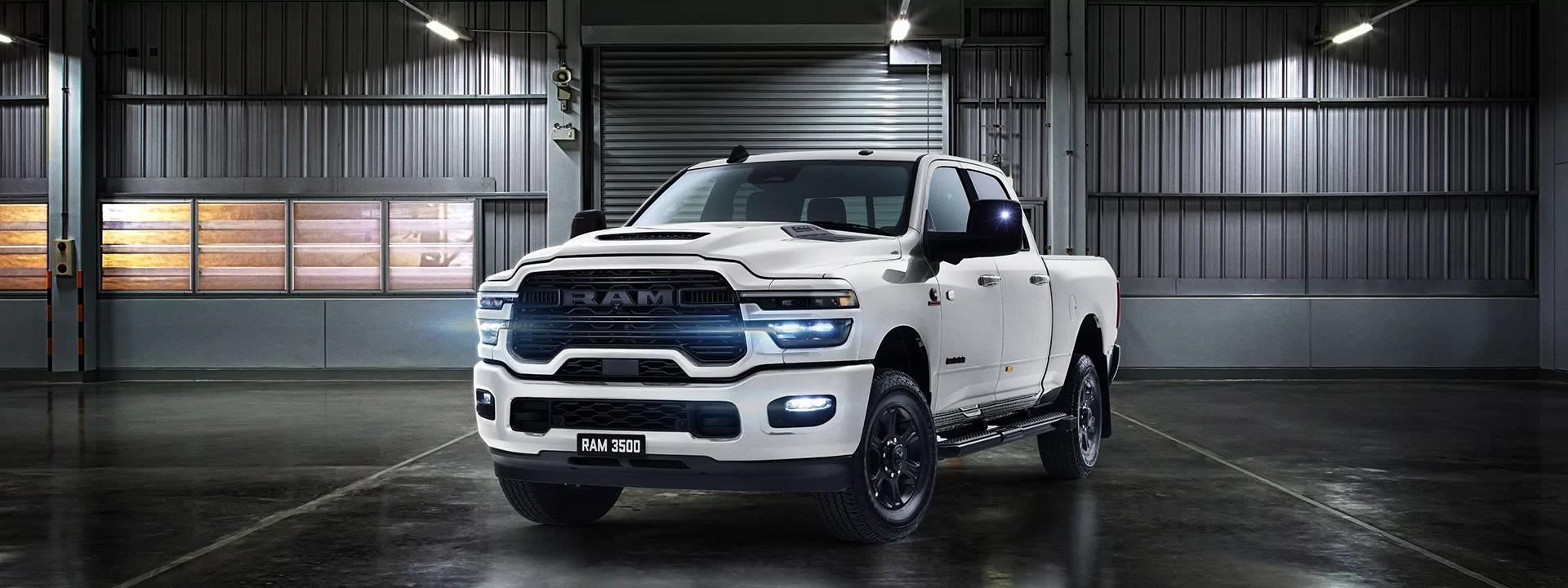 RHDBackorder2026
Ram 3500
Pickup · 1 VariantDieselFrom $115,000Ex Works, NZ
Seaports and Airports Supporting Vehicle Import
Sri Lanka handles vehicle imports almost entirely through seaports. Air freight for vehicles is rare and cost-prohibitive.
| Port | Notes |
|---|---|
| Port of Colombo | Main container gateway. Sri Lanka Customs clears vehicles here. Typical clearance: 2–5 days. |
| Hambantota International Port (HIP) | Sri Lanka's main roll-on/roll-off (RoRo) vehicle port. It has a dedicated customs inspection bay, secure vehicle yards and vehicle processing stations, and clears vehicles within 24 hours of complete documentation. |
Hambantota gives imported vehicles 10 days of free storage; storage charges start on day 11. Waivers are considered case by case. HIP delivered 167,569 vehicles between March 2025 and September 2026, according to the port operator.
Restrictions on Vehicle Import for Individuals
Imports and Exports (Control) Regulations No. 02 of 2025 set clear rules for private importers:
- Non-registered importers (including private individuals) may import one vehicle in any 12 months, counted from the date of the customs declaration (CUSDEC)
- Registered vehicle importers (registered with the Department of Motor Traffic) may import for trading without this limit; government bodies and diplomatic missions are also exempt from the limit
- The vehicle must be registered with the DMT within 90 days of the customs declaration. Late registration costs 3% of CIF per month (part months count as a full month), capped at 45% of CIF, and is never waived
- Vehicles cannot be cleared under a concessionary-duty vehicle permit
- Cars and light goods vehicles were taken off the import-suspension list without an import-licence requirement. Only some buses, goods auto-trishaws and special-purpose vehicles were put on the Import Control Licence list (Gazette 2421/44, Schedule B)
- Vehicles with open or unresolved safety recalls from the manufacturer cannot be cleared
There is no relaxed age rule for Sri Lankans working abroad under the 2025 regulations: the same age limits and the one-vehicle-per-year rule apply to every non-registered importer.
Duty Structure Overview
Sri Lanka uses a layered tax structure. Duty and the surcharge are worked out first, then the excise. VAT and SSCL are each charged on a base that includes all three. The Luxury Tax runs separately on the CIF alone.
How Each Tax Is Calculated
| # | Component | Rate | Calculated On |
|---|---|---|---|
| 1 | Customs Import Duty (CID) | 30% | CIF value (Revenue Protection Order No. 01/2026, from 1 April 2026) |
| 2 | Surcharge on CID | 50% of CID (= 15% of CIF) | The duty, not the CIF. In force 15 August–31 December 2026 (Gazette Extraordinary No. 2501/88) unless extended |
| 3 | Excise (Special Provisions) Duty | Fixed rupees per cc, per kW or per unit | Engine size, motor power or the vehicle itself |
| 4 | VAT | 18% | CIF + 10% of CIF + CID + surcharge + excise |
| 5 | SSCL (since 1 May 2026) | 2.5% | The same base as VAT (SSCL is not in the VAT base) |
| 6 | Luxury Tax | 60–120% of the excess | CIF above the threshold only; not in the VAT or SSCL base |
The 30% duty and the 50% surcharge apply to every motor car (petrol, diesel, hybrid, plug-in hybrid and electric) and to goods vehicles up to 5 tonnes. Goods vehicles over 5 tonnes pay no customs duty, so no surcharge either. The surcharge is due to end on 31 December 2026 unless the government extends it, as it has done each time it lapsed since February 2025. Without it, customs duty would fall from 45% to 30% of CIF.
The rate table also prints a lower Singapore preferential rate (20% for petrol and diesel cars, 10% for hybrids and electric cars). Other agreement columns have not been verified, so IPAS quotes the general 30% for every origin.
Excise Duty Rates (New Petrol Cars, 2026)
- Up to 1,000 cc: Rs 2,450 per cc or Rs 1,992,000 per vehicle, whichever is higher
- 1,000–1,300 cc: Rs 3,850 per cc
- 1,300–1,500 cc: Rs 4,450 per cc
- 1,500–1,600 cc: Rs 5,150 per cc
- 1,600–1,800 cc: Rs 6,400 per cc
- 1,800–2,000 cc: Rs 7,700 per cc
- 2,000–2,500 cc: Rs 8,450 per cc, rising to Rs 13,300 per cc above 4,000 cc
Petrol hybrids pay less per cc (for example Rs 3,450 at 1,300–1,500 cc). Diesel cars pay more (Rs 6,950 per cc at 1,500–1,600 cc). Electric cars pay per kW of motor power: a new car up to one year old with a 100–200 kW motor pays Rs 36,200 per kW.
Pickups: a bonneted double-cab pickup (Toyota Hilux, Ford Ranger, Isuzu D-Max and similar) is classified as a goods vehicle, tariff line 8704.21.91 (diesel) or 8704.31.91 (petrol). It pays a flat Rs 6,036,300 excise per vehicle and no Luxury Tax. This is IPAS's reading of the tariff text; Sri Lanka Customs has not issued a ruling for a double cab.
Luxury Tax Thresholds
- Petrol cars: CIF above Rs 5.0 million — 100% of the excess
- Diesel cars: CIF above Rs 5.0 million — 120% of the excess
- Petrol hybrids and plug-in hybrids: CIF above Rs 5.5 million — 80% (diesel hybrids 90%)
- Electric cars: CIF above Rs 6.0 million — 60% of the excess
- Goods vehicles, including pickups: no Luxury Tax
The Luxury Tax rates are set by Gazette Extraordinary No. 2421/41 under the Finance Act No. 35 of 2018.
Example: a new 2.0-litre (1,998 cc) petrol car with a CIF of USD 30,000 (about Rs 9.92 million) pays duty Rs 2.98 million, surcharge Rs 1.49 million, excise Rs 15.38 million, VAT Rs 5.54 million, SSCL Rs 0.77 million and Luxury Tax Rs 4.92 million. That is about Rs 31.1 million in taxes, or 313% of CIF. Hybrids and electric cars with modest motors pay much less: a 1.5-litre petrol hybrid at USD 25,000 CIF pays about 179%, and a USD 30,000 electric car with a 150 kW motor about 166%.
Get exact duty rates for your specific vehicle using CarImport.AI
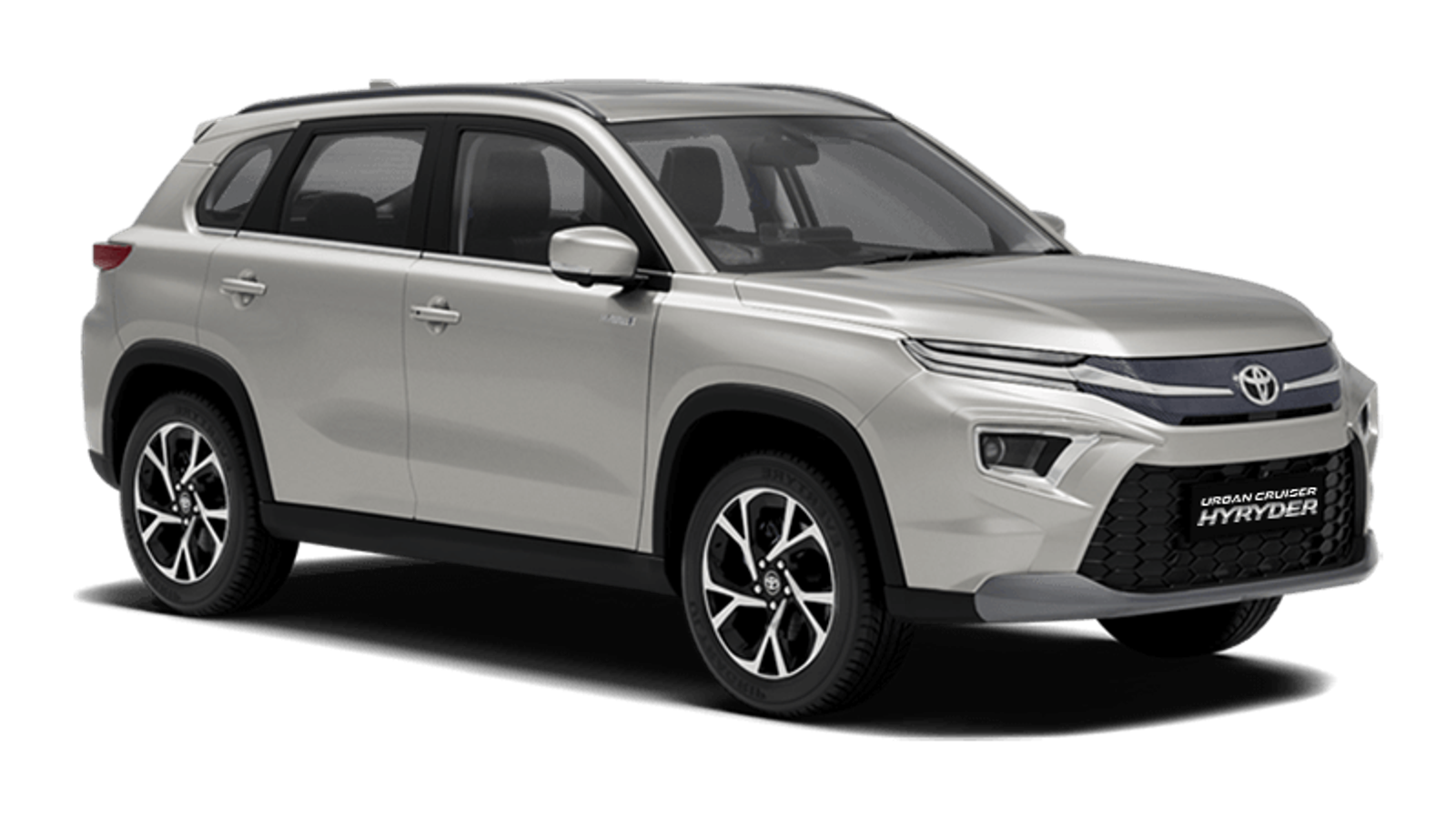
Worked Example: Importing a 2026 Toyota Urban Cruiser Hyryder to Sri Lanka
Here is the full landed cost of one car, a 2026 Toyota Urban Cruiser Hyryder shipped from India to Sri Lanka, worked out on 9 November 2026 with the customs rules in force that day. It lands at 1,99,41,900 LKR (about US$59,990), and duties and taxes come to 183.9% of its CIF value.
| Item | Share of CIF | Amount |
|---|---|---|
| Vehicle priceIPAS price for a car sourced in India | 51,52,516 LKRUS$15,500 | |
| Shipping and insuranceIndia to Sri Lanka | 14,58,661 LKRUS$4,388 | |
| CIF valueCost, insurance and freight: the customs value | 66,11,177 LKRUS$19,888 | |
| Customs duties and taxes | ||
| Basic customs duty (30%)30% of CIF | 19,83,220 LKRUS$5,966 | |
| Additional duty (50%)Base or related charges differ from CIF; see the duty structure above112% of CIF | 74,05,662 LKRUS$22,278 | |
| GST/VAT (18%)Base or related charges differ from CIF; see the duty structure above41.9% of CIF | 27,69,727 LKRUS$8,332 | |
| Total duties and taxes183.9% of CIF | 1,21,58,609 LKRUS$36,576 | |
| Service and handling | ||
| Premium Import ServiceOptional end-to-end import management by IPAS | 5,53,812 LKRUS$1,666 | |
| Destination handlingPort terminal and customs clearance handling | 6,18,302 LKRUS$1,860 | |
| Total landed cost | 1,99,41,900 LKRUS$59,990 | |
Documents Required for Import
The following must be submitted to Sri Lanka Customs at the port:
Customs Documentation:
- Customs Goods Declaration (CUSDEC)
- Commercial Invoice (bank-endorsed)
- Letter of Credit (if applicable) — licensed banks report vehicle letters of credit to the Controller General of Imports and Exports
- Bill of Lading
- Delivery Order from the shipping agent
- Value Declaration Form
Vehicle Age:
- Manufacturer's Certificate or Export Inspection Certificate showing the month and year of manufacture
Used Vehicle-Specific:
- Export Certificate from the origin country
- English translation of Export Certificate (if not in English)
- Pre-Shipment Inspection Certificate from an approved inspection agency
- Laminated copies of Export Certificate and Pre-Shipment Inspection Certificate
For Registration:
- An affidavit confirming your Taxpayer Identification Number (TIN) from the Inland Revenue Department
Customs Clearance Timeline
| Stage | Typical Duration |
|---|---|
| Overseas shipping (Japan/Korea to Sri Lanka) | 10–20 days |
| Port customs clearance (Hambantota, complete docs) | Within 24 hours |
| Port customs clearance (Colombo) | 2–5 days |
| Free storage (Hambantota) | 10 days |
| DMT registration | 1–3 days (must be done within 90 days of the customs declaration) |
| Total end-to-end (typical) | 3–5 weeks |
Hambantota's streamlined vehicle process, introduced in 2025, has cut clearance times compared with Colombo, making it the preferred port for importers with complete documentation.
Homologation / Vehicle Approval
Sri Lanka does not operate a formal Single Vehicle Approval (SVA) scheme. Safety and emissions compliance is assessed at port by Sri Lanka Customs in coordination with the Department of Motor Traffic (DMT).
Key requirements:
- Vehicles must comply with Sri Lanka's Vehicle Safety Standards — non-compliant vehicles are refused clearance
- The Pre-Shipment Inspection Certificate (from an approved overseas agency) serves as a proxy homologation check for used vehicles
- Vehicles must meet Sri Lanka's emission standards for imported vehicles
- Vehicles must be right-hand drive; a left-hand-drive vehicle needs an RHD conversion before shipping
- No in-country modification or "bring-into-compliance" pathway exists — the vehicle must already meet standards before shipment
- Sri Lanka's National Emission Standards are enforced through the Central Environmental Authority (CEA) and verified by DMT at first registration
Registration Procedures and Costs
Registration is handled by the Department of Motor Traffic (DMT) after customs clearance, and must be completed within 90 days of the customs declaration.
Process
- Present customs clearance documents (bill of entry / CUSDEC) and your TIN affidavit to DMT
- Vehicle undergoes DMT physical inspection
- Pay registration fees, number plate charges, and stamp duty
- Receive Certificate of Registration (blue book)
DMT First Registration Fees (LKR)
| Vehicle Type | Registration Fee | Plate Fee | Inspection Fee | Revenue Licence |
|---|---|---|---|---|
| Motor Car up to 1,600 cc / 80 kW | 25,000 | 3,300 | 1,000 | 7,750 |
| Motor Car above 1,600 cc / 80 kW | 40,000 | 3,300 | 1,000 | 7,750 |
| Dual Purpose up to 1,000 cc / 50 kW | 20,000 | 3,300 | 1,000 | 7,750 |
| Dual Purpose above 1,000 cc / 50 kW | 25,000 | 3,300 | 1,000 | 7,750 |
An age-based Revenue Licence surcharge (LKR 12,000–50,000 depending on vehicle age) is also applied at first registration. Registering after the 90-day deadline adds a late fee of 3% of CIF per month, up to 45% of CIF.
Frequently Asked Questions
Q: How much tax will I pay to import a car to Sri Lanka? A: For a new petrol car, usually about 135–350% of the CIF value. A new 2.0-litre petrol car with a CIF of USD 30,000 pays about 313% of CIF (about Rs 31 million). A new 1.5-litre petrol car with a CIF of Rs 5 million pays about Rs 11.9 million (237%). Hybrids and small electric cars pay less, but the total is still substantial.
Q: What is the maximum age for importing a used car to Sri Lanka? A: For passenger cars (HS 87.03), 3 years from the date of manufacture to the Bill of Lading date. Goods vehicles up to 5 tonnes, including single and double cabs, are allowed up to 4 years. Goods vehicles over 5 tonnes and some buses can be up to 10 years old.
Q: Can I import more than one vehicle per year? A: Not as a private individual. Anyone who is not a DMT-registered vehicle importer may import one vehicle in any 12 months under Regulations No. 02 of 2025. Registered vehicle importers have no such limit.
Q: Do I need an import license? A: Not for a car or a light goods vehicle. These were released from the import suspension in February 2025 without a licence requirement. Some buses, goods auto-trishaws and special-purpose vehicles do need an Import Control Licence. Your bank will report the vehicle's letter of credit to the Controller General of Imports and Exports.
Q: What emission standards are required? A: Imported vehicles must meet Sri Lanka's vehicular exhaust emission standards for imports, and the Pre-Shipment Inspection Certificate for a used vehicle must confirm compliance. A new vehicle built to current Euro 6 rules meets them.
Q: Which port is faster for vehicle clearance? A: Hambantota International Port clears vehicles within 24 hours of complete documentation, compared to 2–5 days at Colombo. Hambantota also gives imported vehicles 10 days of free storage.
Q: Are electric vehicles cheaper to import? A: Usually, yes. They pay the same 45% customs duty, but a lower excise (charged per kW) and the lightest Luxury Tax: 60% above Rs 6.0 million, against 100–120% above Rs 5.0 million for petrol and diesel cars. A USD 30,000 electric car with a 150 kW motor pays about 166% of CIF, against about 313% for a 2.0-litre petrol car. Very powerful electric cars (over 200 kW) pay much more excise.
Q: What happens if my vehicle exceeds the age limit? A: It cannot be imported: the older tariff lines are suspended. A vehicle imported in breach of the rules must be re-exported within 90 days of the customs declaration at the importer's expense.
Q: Will the 50% surcharge on customs duty end? A: The current surcharge order runs from 15 August to 31 December 2026. If it is not extended, customs duty falls from 45% to 30% of CIF from 1 January 2027. The surcharge has been renewed each time it lapsed since February 2025, so IPAS keeps it in every quote until a gazette ends it.
Ready to Import?
Sri Lanka's vehicle import market has reopened, but its layered taxes make careful cost planning essential. The difference between a petrol car and a hybrid or EV — or between a car just under and just over a Luxury Tax threshold — can amount to millions of rupees.
Use CarImport.AI to calculate the exact landed cost for your specific vehicle — including the customs duty and surcharge, excise by engine size or motor power, VAT, SSCL and Luxury Tax. If you already have a vehicle and need shipping, use IPAS EXPRESS Pro Car Shipping to get instant quotes for sea freight to Colombo or Hambantota.
Ready to Import Your Vehicle?
Two tools, two use cases. Pick the one that fits your needs.

Source a vehicle through IPAS and calculate the full landed cost — customs duties, shipping, and compliance — to destinations across the world.
Calculate Landed CostIPAS Express
Already have a vehicle? Get instant shipping quotes — sea freight, air freight, or RoRo — for one car or multiple vehicles worldwide.
Get Shipping Quote