

Introduction
Importing a car to the UK in 2026 costs 10% customs duty plus 20% VAT on the value and duty combined, about 32% for cars from the USA, China, India or the UAE. Qualifying cars from the EU, Japan, Korea, Australia and other FTA partners pay 0% duty, so only 20% VAT. You then file NOVA, get approval and register.
The UK is one of Europe's largest and most accessible markets for vehicle imports. With well-established customs infrastructure, clear regulatory pathways, and a network of specialist importers and compliance services, bringing a car into the UK is both legally straightforward and practically achievable for private individuals and businesses alike. Whether you are importing a new vehicle from a manufacturer not represented in the UK market, a specialist Japanese domestic model, or a classic car from the United States, the UK offers defined processes for every scenario.
Since Brexit, the UK operates its own independent customs and vehicle approval regime separate from the European Union. Vehicles imported from EU countries are now subject to customs declarations, although the UK-EU Trade and Cooperation Agreement (TCA) gives 0% duty to vehicles that meet its rules of origin. The UK also has 0% free trade agreements with Japan, South Korea, Australia, New Zealand, Singapore and others, and has been part of CPTPP since 15 December 2024. Imports from countries without a UK trade agreement — including the USA, China, India, Thailand and the UAE — pay the standard 10% customs duty plus 20% VAT. The UK's Individual Vehicle Approval (IVA) scheme, administered by the DVSA, provides a clear pathway for registering vehicles that lack UK type approval.
Understanding the duty structure, HMRC notification requirements, and vehicle approval pathways is essential before committing to an import. This guide covers every step of the process, from initial planning through to DVLA registration and road use.
Quick Facts
| Detail | Information |
|---|---|
| Steering | Right-Hand Drive (RHD); LHD cars are legal without conversion |
| Customs Duty | 10% (0% for qualifying cars from the EU, Japan, Korea, Australia, NZ and other FTA partners) |
| VAT | 20% on (CIF + Customs Duty) |
| Historic Vehicle Relief | 0% duty + 5% VAT (30+ years old, original state, model out of production) |
| Transfer of Residence Relief | 0% duty + 0% VAT (if conditions met) |
| Major Seaports | Southampton, Dover, Tilbury, London Gateway |
| Major Air Cargo | Heathrow, Gatwick, Manchester, Birmingham |
| Approval Body | DVSA (Driver and Vehicle Standards Agency) |
| HMRC Notification | NOVA — within 14 days of arrival |
| IVA Test | Required for vehicles under 10 years old without UK/EU type approval (£199 for a car) |
| Registration Fee | £55 first registration |
| MOT Required | If vehicle is over 3 years old |
Types of Cars That Can Be Imported
The UK permits the import of both new and used vehicles with no blanket age restriction. However, the vehicle's age and origin significantly affect the tax treatment, approval pathway, and compliance requirements.
New Vehicles Brand-new vehicles can be imported by individuals or businesses. If the vehicle holds a valid UK type approval, or an EU type approval issued before 1 January 2021, registration is relatively straightforward; EU approvals issued after that date usually need an IVA test or a conversion of the approval. Vehicles without either — such as those from Japan, the USA, or India — will require Individual Vehicle Approval (IVA) testing before they can be registered.
Used Vehicles Used vehicles of any age can be imported. Vehicles up to 10 years old that lack EU/UK type approval require IVA testing. Used vehicles over 3 years old must also pass an MOT test before registration.
Classic and Historic Vehicles (30+ Years) Vehicles manufactured more than 30 years before the date of import qualify for significant tax relief — 0% customs duty regardless of origin and a reduced VAT rate of 5% instead of the standard 20% — provided they are also in original state (no substantial modification) and the model is no longer in production. Replicas and kit cars do not qualify. This makes the UK an attractive destination for classic car imports.
Temporary Imports Vehicles can be temporarily imported to the UK for up to 6 months without paying customs duty or VAT, provided the vehicle is registered and taxed in its home country and the owner is a non-UK resident.
Vehicles that cannot be imported Vehicles originating in or consigned from Russia or Belarus, and vehicles from Iran, North Korea and Syria, are banned under UK sanctions.
Cars You Can Import to the UK
Each card is a full landed-cost calculation: the car's price, shipping, every duty and tax, and handling, worked out on 9 November 2026 with the rules in force that day. All are right-hand drive to suit the UK's roads. Tap a car to see its full breakdown, or open it to change the trim, colour or port.
More cars you can import to the UK
New cars IPAS sources to order that meet the UK's import rules. Prices are ex works, before shipping and duty. Open a car to work out its full landed cost.
 LHD/C-RHDBackorder2025
GMC Yukon XL
SUV · 11 VariantsPetrol · DieselFrom $88,200Ex Works, USA LHD/C-RHDBackorder2026
Chevrolet Silverado EV
Pickup · 8 VariantsElectricFrom $77,900Ex Works, USA LHD/C-RHDBackorder2026
Chevrolet Silverado 3500 HD DRW
Pickup · 8 VariantsPetrol · DieselFrom $65,800Ex Works, USA RHDBackorder2026
Jeep Wrangler
SUV · 3 VariantsPetrolFrom $54,600Ex Works, India LHDBackorder2026
Jeep Grand Wagoneer
SUV · 7 VariantsPetrolFrom $76,800Ex Works, USA RHDBackorder2026
BMW M340i
Sedan · 1 VariantPetrolFrom $62,800Ex Works, India LHDBackorder2026
Dodge Durango
SUV · 8 VariantsPetrolFrom $46,800Ex Works, USA LHDBackorder2026
Denza Z9GT
Sedan · 6 VariantsPlug-in Hybrid · ElectricFrom $42,800Ex Works, China🇨🇳 RHDBackorder2026
Kia Sonet
SUV · 26 VariantsPetrol · DieselFrom $8,100Ex Works, India LHDBackorder2027
Toyota Hilux Single Cab
Pickup · 1 VariantPetrolFrom $40,500Ex Works, UAE LHDBackorder2026
Toyota Land Cruiser 78 Troop Carrier
SUV · 2 VariantsDieselFrom $54,200Ex Works, UAE LHDBackorder2026
Lexus LX
SUV · 7 VariantsPetrol · HybridFrom $108,700Ex Works, Canada RHDBackorder2026
Volkswagen Tayron
SUV · 2 VariantsPetrolFrom $36,500Ex Works, India RHDBackorder2026
Tata Harrier EV
SUV · 16 VariantsElectricFrom $26,000Ex Works, India RHDBackorder2026
Volvo XC60
SUV · 1 VariantHybridFrom $57,200Ex Works, India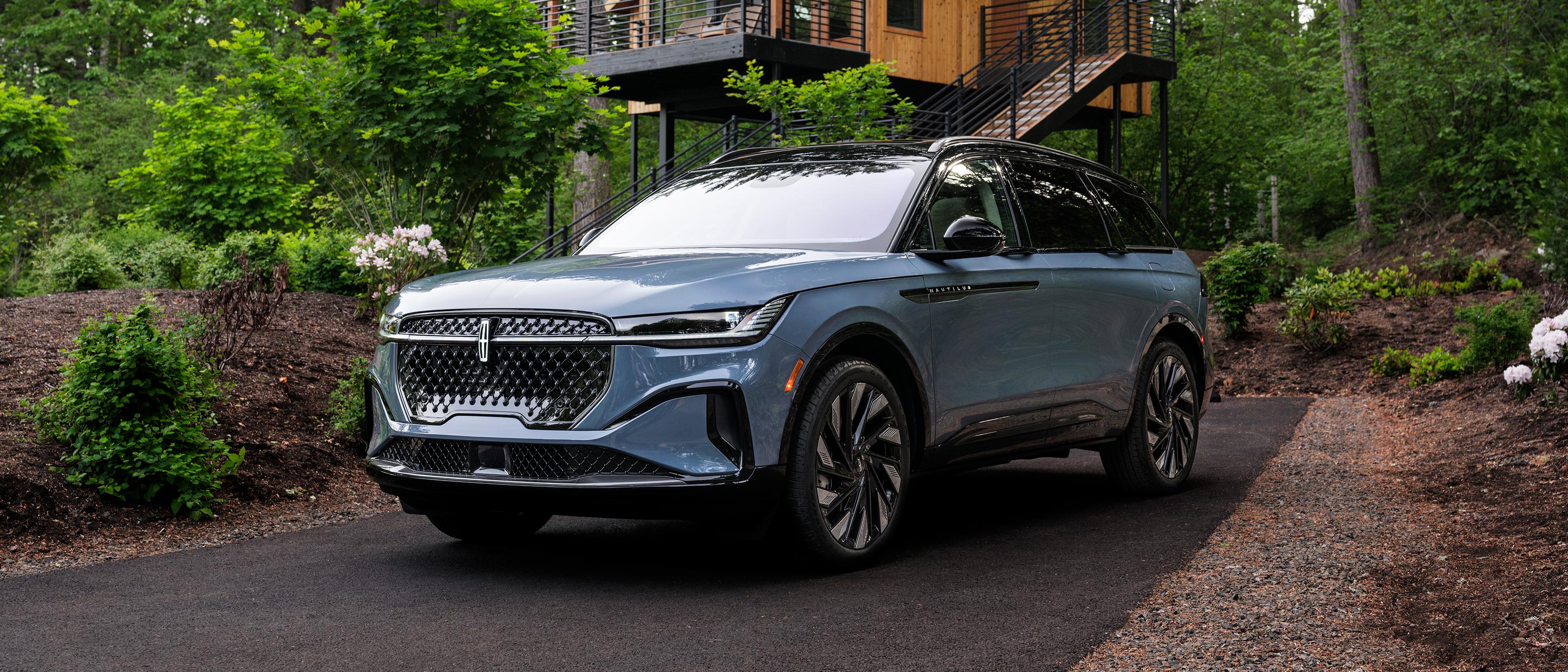 LHDBackorder2026
Lincoln Nautilus
SUV · 6 VariantsPetrol · HybridFrom $67,200Ex Works, USA
Seaports and Airports
The UK has an extensive network of designated ports and airports for vehicle imports, offering flexibility in routing and cost optimisation.
Major Seaports
| Port | Location | Notes |
|---|---|---|
| Southampton | Hampshire | Premier vehicle import port; extensive RoRo facilities |
| Dover | Kent | Major Channel crossing point; high-volume RoRo |
| Tilbury | Essex | London's primary container port; good for containerised vehicles |
| London Gateway | Essex | Modern deep-water port; excellent container handling |
| Portsmouth | Hampshire | Channel ferry port; good for EU vehicle imports |
| Hull / Immingham | Humberside | North Sea hub; strong connections to Scandinavia and Northern Europe |
| Liverpool (Seaforth) | Merseyside | Transatlantic routes; good for US and Canadian imports |
| Harwich | Essex | North Sea ferry connections |
| Bristol | Avon | Serves South West England and South Wales |
Major Air Cargo Airports
| Airport | Location |
|---|---|
| London Heathrow Cargo | Greater London |
| London Gatwick Cargo | West Sussex |
| Manchester | Greater Manchester |
| Birmingham | West Midlands |
| Edinburgh | Scotland |
| Liverpool John Lennon | Merseyside |
Air freight is available for urgent or high-value shipments but costs significantly more than sea freight. Most vehicle imports arrive by sea, either containerised or via Roll-on/Roll-off (RoRo) shipping. RoRo movements must use the Goods Vehicle Movement Service (GVMS) at applicable ports.
Typical Sea Freight Transit Times
| Origin | Destination Port | Transit Time |
|---|---|---|
| Mumbai, India | Southampton | 3-4 weeks |
| New York, USA | Southampton | 2-3 weeks |
| Dubai, UAE | Tilbury | 3-4 weeks |
| Yokohama, Japan | Southampton | 5-7 weeks |
| Sydney, Australia | Southampton | 5-7 weeks |
Restrictions for Individual Importers
Private individuals can import vehicles to the UK, but must comply with several mandatory requirements.
HMRC NOVA Notification
- You must notify HMRC via the Notification of Vehicle Arrivals (NOVA) system within 14 days of the vehicle arriving in the UK
- The vehicle cannot be driven or registered until NOVA clearance is obtained and all duties are paid
- Late NOVA notifications attract financial penalties
Customs Agent Requirement
- Private individuals cannot self-file the import customs declaration
- You must use a licensed customs agent or freight forwarder to submit the import declaration on your behalf
Transfer of Residence (ToR1) Relief
- Available for individuals moving to the UK who have lived abroad for 12 or more months and owned and used the vehicle abroad for at least 6 months
- Grants full exemption from both customs duty and VAT
- Must be applied for through HMRC using the ToR1 form, and the vehicle cannot be sold or disposed of for 12 months after import
General Restrictions
- All vehicles must comply with UK safety and emissions standards to be registered for road use
- Vehicles with asbestos-containing components cannot be imported
- Vehicles must be insured before they can be driven on UK roads
- Odometer discrepancies or salvage titles may trigger additional scrutiny
Duty Structure Overview
The UK applies a layered tax structure based on the vehicle's origin and age. The two main components are customs duty and VAT. There is no excise duty, luxury tax or CO₂ levy at the border; the UK's CO₂-based tax is Vehicle Excise Duty, paid to DVLA at registration.
| Scenario | Customs Duty | VAT | Total Tax |
|---|---|---|---|
| From EU (under TCA rules of origin) | 0% | 20% | ~20% |
| From Japan, South Korea, Australia, New Zealand, Singapore, Switzerland, Norway, Turkey (FTA rules of origin) | 0% | 20% | ~20% |
| From countries without a UK FTA (USA, China, India, Thailand, UAE) | 10% | 20% | ~32% |
| From Canada or Mexico (continuity agreements) | Preferential rate may apply; budget for 10% | 20% | up to ~32% |
| Historic/Classic vehicle (30+ years old, original state) | 0% | 5% | ~5% |
| Transfer of Residence (ToR1 relief) | 0% | 0% | 0% |
The 0% FTA rate is not automatic: it has to be claimed on the import declaration and backed by a statement or certificate of origin from the seller or manufacturer. Without valid proof of origin, the 10% rate applies.
How Duties Are Calculated:
- Customs Value = Purchase price + international shipping + insurance (CIF value)
- Customs Duty = CIF × 10% (or 0% for a qualifying FTA origin with proof of origin / 0% for a qualifying 30+ year historic vehicle)
- VAT = (CIF + Customs Duty) × 20% (or 5% for historic vehicles)
- Total Landed Cost = CIF + Customs Duty + VAT
Worked examples (CIF £30,000):
| Origin | Customs Duty | VAT | Total Tax |
|---|---|---|---|
| USA (no FTA) | £3,000 | £6,600 | £9,600 (32%) |
| Japan (UK-Japan CEPA, 0%) | £0 | £6,000 | £6,000 (20%) |
| Germany (UK-EU TCA, 0%) | £0 | £6,000 | £6,000 (20%) |
Important Notes:
- VAT is charged on the total landed value including CIF plus customs duty, not just the vehicle price
- Pickups (including double-cab models) are usually classed as goods vehicles (HS 8704) but pay the same 10% duty rate as cars
- EU-built electric and plug-in hybrid cars: until 31 December 2026 they need only 40% UK/EU originating content to qualify for 0% duty. From 1 January 2027 this rises to 55%, with stricter battery rules, and the change cannot be extended again. An EU-assembled EV with imported cells may then fail origin and pay the full 10% duty
- Chinese EVs: the UK did not follow the EU's countervailing duties on Chinese battery-electric cars, so they pay the standard 10% duty plus 20% VAT. The Trade Remedies Authority has no investigation open, but that could change
- US-UK trade deal: the May 2025 deal only lowers US tariffs on UK-built cars. US-built cars imported into the UK still pay 10% duty plus 20% VAT
- Vehicle Excise Duty (VED / road tax) is payable separately at DVLA registration and varies by CO₂ emissions and fuel type
- From April 2025, battery electric vehicles are no longer VED-exempt and pay the standard VED rate
- VED rates are uprated annually by RPI
Get exact duty rates for your specific vehicle using CarImport.AI
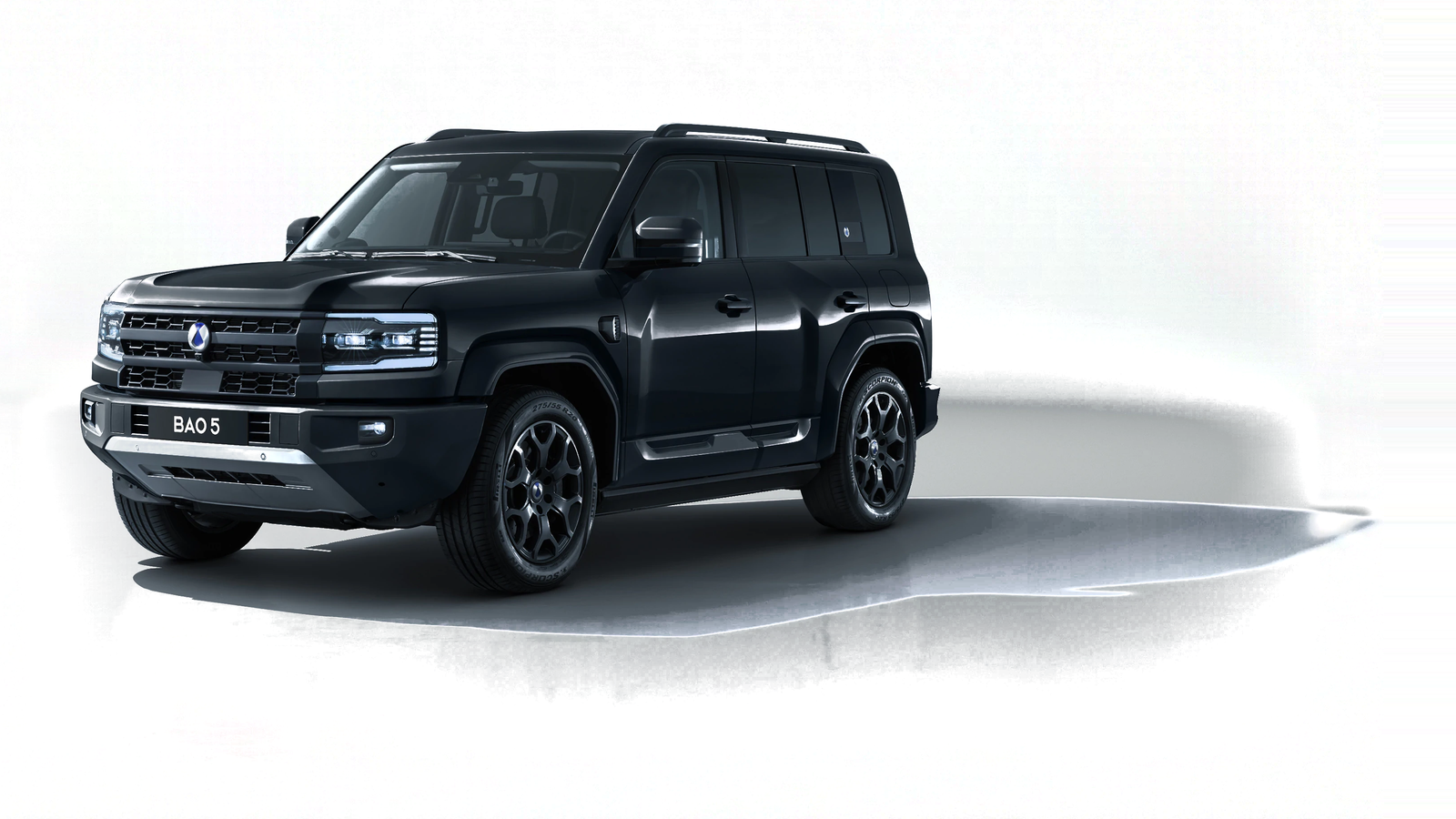
Worked Example: Importing a 2026 Denza B5 to the UK
Here is the full landed cost of one car, a 2026 Denza B5 shipped from China to the UK, worked out on 9 November 2026 with the customs rules in force that day. It lands at 64,858 GBP (about US$86,662), and duties and taxes come to 32% of its CIF value.
| Item | Share of CIF | Amount |
|---|---|---|
| Vehicle priceIPAS price for a car sourced in China | 42,659 GBPUS$57,000 | |
| Shipping and insuranceChina to UK | 4,011 GBPUS$5,359 | |
| CIF valueCost, insurance and freight: the customs value | 46,669 GBPUS$62,359 | |
| Customs duties and taxes | ||
| Basic customs duty (10%)10% of CIF | 4,667 GBPUS$6,236 | |
| GST/VAT (20%)20% of CIF plus the duties above22% of CIF | 10,267 GBPUS$13,719 | |
| Total duties and taxes32% of CIF | 14,934 GBPUS$19,955 | |
| Service and handling | ||
| Premium Import ServiceOptional end-to-end import management by IPAS | 1,817 GBPUS$2,428 | |
| Destination handlingPort terminal and customs clearance handling | 1,437 GBPUS$1,920 | |
| Total landed cost | 64,858 GBPUS$86,662 | |
Documents Required
The following documents are needed for vehicle import and registration in the UK.
Pre-Shipment Documents:
- Bill of Sale or purchase invoice showing vehicle value
- Foreign registration document (original title or logbook)
- Certificate of Conformity (COC) — if available from the manufacturer
- Export certificate from the country of origin
- Statement or certificate of origin — needed to claim 0% duty under an FTA
Customs Clearance Documents:
- Import declaration (completed by your customs agent)
- NOVA confirmation from HMRC
- Proof of identity and UK address
- Evidence of vehicle value for customs valuation
Vehicle Approval Documents:
- IVA certificate — required if COC is not available (most non-EU/UK imports)
- MOT certificate — required if the vehicle is over 3 years old
Registration Documents:
- V55/4 form (for new imports) or V55/5 form (for used imports)
- UK motor insurance certificate
- All of the above supporting documents
It is strongly recommended to engage a licensed customs broker experienced in vehicle imports. They will prepare the import declaration, coordinate with HMRC, and ensure all documentation is in order before the vehicle arrives.
Customs Clearance Timeline
UK customs clearance for vehicles is generally efficient, but the full process from arrival to registration involves several sequential steps.
| Stage | Duration | Details |
|---|---|---|
| Pre-arrival customs declaration | Filed before arrival | Your customs agent prepares documentation |
| Customs clearance (CDS) | 1-3 business days | For straightforward, well-documented shipments |
| NOVA declaration | Within 14 days | Must be filed within 14 days of arrival |
| NOVA processing | 1-5 working days | HMRC processes and confirms |
| IVA testing (if required) | Several weeks | Depends on DVSA scheduling and availability |
| DVLA registration | 4-6 weeks | After all documents are submitted |
Total Estimated Timeline: 4-12 weeks (from arrival to registration)
Tips to Avoid Delays:
- Ensure all documents are prepared and provided to your customs broker before the vehicle arrives
- File the NOVA declaration as soon as possible after arrival
- Book IVA testing early — DVSA centres can have waiting lists
- Have UK motor insurance arranged before attempting registration
- Keep the original foreign registration document; DVLA may require it
Homologation / Individual Vehicle Approval (IVA)
The UK operates a layered vehicle approval system governed by the DVSA (Driver and Vehicle Standards Agency). The pathway depends on whether the vehicle has existing UK or EU type approval.
Certificate of Conformity (COC) If the vehicle has a valid UK type approval COC, or an EU type approval issued before 1 January 2021, it can typically be registered directly with DVLA with minimal additional checks. This is the simplest pathway and applies to many vehicles originally sold in EU member states.
Individual Vehicle Approval (IVA) Required for single imported vehicles under 10 years old without a COC. This applies to most imports from Japan, the USA, India, and other non-EU markets. IVA covers:
- Cars, vans, and passenger vehicles with up to 8 seats
- Physical inspection against UK safety and environmental standards
- Testing at DVSA-approved inspection centres
- Covers lighting, emissions, braking, occupant protection, and more
GB Conversion IVA A specific scheme for vehicles already approved and registered in the EU but being re-imported to Great Britain. This is a simplified pathway compared to full IVA.
Motorcycle Single Vehicle Approval (MSVA) For single motorcycles or small-wheeled vehicles imported without type approval.
Estimated IVA Costs:
- IVA test fee: £199 for a car (M1), £90 for a retest; £213 for minibuses and light goods vehicles
- Pre-IVA modifications (if needed): varies by vehicle, typically £400-1,000
- The speedometer must show mph (or dual mph/km/h); a km/h-only speedometer is not compliant, which affects most Japanese-market cars. DVSA has accepted an importer self-declaration for this since 14 May 2025
- LHD cars need their headlight beam pattern adjusted for driving on the left; US-spec cars often also need side-marker and rear fog light changes
Registration Procedures and Costs
After securing vehicle approval (COC or IVA) and NOVA clearance, registration with the DVLA follows these steps.
Registration Steps:
- Complete V55/4 (new vehicle) or V55/5 (used vehicle) form
- Submit to DVLA with all supporting documents (NOVA confirmation, IVA/COC, insurance, MOT if applicable)
- Pay the £55 first registration fee
- Pay Vehicle Excise Duty (VED / road tax) — amount varies by CO₂ emissions and fuel type
- DVLA issues a V5C logbook and the vehicle receives UK registration plates
VED (Road Tax) First-Year Rates (cars first registered from 1 April 2026):
| CO₂ Emissions | First Year Rate |
|---|---|
| 0 g/km (electric) | £10 |
| 1-50 g/km | £115 |
| 51-75 g/km | £135 |
| 76-90 g/km | £280 |
| 91-100 g/km | £365 |
| 101-110 g/km | £405 |
| 111-130 g/km | £455 |
| 131-150 g/km | £560 |
| 151-170 g/km | £1,410 |
| 171-190 g/km | £2,270 |
| 191-225 g/km | £3,420 |
| 226-255 g/km | £4,850 |
| Over 255 g/km | £5,690 |
From the second year, VED is a standard £200 a year for petrol, diesel, hybrid and electric cars. Diesel cars that do not meet the RDE2 emissions standard pay a higher first-year rate.
Important Notes:
- From April 2025, BEVs are no longer exempt from VED and pay the standard rate
- Cars with a list price over £40,000 (over £50,000 for electric cars) pay an extra £440 a year for years 2 to 6
- The list price is the published price before first registration; for an import with no UK list price, you declare a price on the V55 form
- MOT is required for all vehicles over 3 years old before registration
- UK motor insurance must be in place before the vehicle can be driven on public roads
- Cars 30+ years old can move to the Historic tax class (no VED), and cars 40+ years old are generally exempt from the MOT
Emissions Compliance
Imported vehicles must comply with UK emissions standards to be used on public roads. The UK has adopted Euro 6 as the benchmark for modern vehicles, and several major cities operate emission-based charging zones.
Euro Emissions Standards:
- Imported vehicles should meet Euro 6 or equivalent emissions standards
- Vehicles from EU, UK, Japanese, and modern US markets generally comply
- Older or modified vehicles may need catalytic converter changes or fuel system modifications to pass IVA emissions testing
London Ultra Low Emission Zone (ULEZ):
- Covers all of Greater London
- Petrol vehicles must meet Euro 4 (generally 2006 onwards)
- Diesel vehicles must meet Euro 6 (generally September 2015 onwards)
- Non-compliant vehicles are charged £12.50 per day
Clean Air Zones (CAZs):
- Operational in Birmingham, Bristol, Bath, and other UK cities
- Similar Euro-standard requirements to ULEZ
- Charges vary by zone and vehicle type
Zero-Emission Vehicles:
- Full battery electric vehicles (BEVs) meet ULEZ and CAZ standards and pay no daily emission zone charge
Key Consideration for Importers: If you plan to drive in London or other cities with emission zones, verify that your imported vehicle meets the relevant Euro standard before purchase. Vehicles from non-EU markets (especially older US-spec vehicles) may not meet Euro 4/6 without modification.
Recent Regulatory Changes (2025-2026)
Several significant changes have taken effect that importers should be aware of:
- BEVs brought into VED (April 2025): Zero-emission vehicles now pay Vehicle Excise Duty at the standard rate, ending the long-standing VED exemption for electric cars
- VED 2026/27 rates (April 2026): The standard rate is now £200 a year and the expensive car supplement £440 a year. The supplement threshold for electric cars rose from £40,000 to £50,000, and this also covers EVs registered from 1 April 2025
- UK-Korea origin rule eased (January 2026): The local content Korean cars need for 0% duty has been reported as cut from 55% to 25%, letting more Korean EVs with imported battery cells qualify
- Speedometer self-declaration (May 2025): DVSA accepts an importer declaration that the speedometer shows mph
- US-UK Economic Prosperity Deal (May 2025): Lowers US tariffs on UK-built cars only; there is no reduction for US cars imported into the UK
- UK joined CPTPP (December 2024): Adds a second 0% route for cars from Japan, Australia, New Zealand, Singapore, Malaysia, Vietnam, Chile and Peru
- ENS Safety & Security Declarations (January 2025): All goods imported into Great Britain from the EU now require an Entry Summary Declaration (ENS) for safety and security screening — a new post-Brexit measure
- Customs Miscellaneous Amendments Regulations 2025: Technical amendments to customs secondary legislation under the Taxation (Cross-border Trade) Act 2018
- Coming 1 January 2027: EU-built EVs and plug-in hybrids will need 55% UK/EU originating content (up from 40%) to qualify for 0% duty under the TCA
Frequently Asked Questions
Q: Can I import a used car to the UK? A: Yes. Both new and used vehicles of any age can be imported to the UK. There is no age restriction on vehicle imports. However, vehicles under 10 years old without EU/UK type approval will require IVA testing, and used vehicles over 3 years old need an MOT.
Q: How much does it cost to import a car from outside the EU? A: It depends on whether the UK has a trade agreement with the country where the car was built. From a non-FTA country such as the USA, China or India, expect 10% customs duty plus 20% VAT on the CIF value plus duty: for a vehicle worth £30,000 CIF, that is £3,000 customs duty plus £6,600 VAT, totalling £9,600 in taxes. A qualifying car from Japan, Korea or Australia pays 0% duty and £6,000 VAT. Shipping, IVA testing, and registration costs are additional.
Q: Can I avoid paying duty if I am relocating to the UK? A: Yes. The Transfer of Residence (ToR1) relief provides full exemption from both customs duty and VAT if you have lived abroad for at least 12 months and have owned and used the vehicle for at least 6 months. You must apply through HMRC, and you cannot sell the car for 12 months after import.
Q: Do I need to convert my car to right-hand drive? A: No. The UK drives on the left and most cars are right-hand drive, but left-hand drive (LHD) vehicles can be registered and driven on UK roads without conversion. However, headlights must be adjusted to avoid dazzling oncoming traffic, and the speedometer must show mph.
Q: Is there a reduced duty rate for classic cars? A: Yes. Vehicles over 30 years old that are in original state and of a model no longer in production qualify for 0% customs duty (regardless of origin) and a reduced VAT rate of 5% instead of 20%. Replicas, kit cars and heavily modified cars pay the standard rates. This makes the UK particularly attractive for importing classic and vintage vehicles.
Q: What is IVA and do I need it? A: Individual Vehicle Approval (IVA) is a physical inspection by DVSA that verifies your vehicle meets UK safety and environmental standards. It is required for imported vehicles under 10 years old that do not have UK type approval or a valid EU approval. Most imports from Japan, the USA, India, and other non-EU countries will need IVA. The test fee for a car is £199.
Q: Do EU-built electric cars still import duty-free? A: Until 31 December 2026, yes, if at least 40% of the car's content originates in the UK or EU. From 1 January 2027 the threshold rises to 55% with stricter battery rules, so some EU-assembled EVs with imported cells will pay the full 10% duty. Ask the seller for an origin declaration under the 2027 rules.
Q: How long does DVLA registration take? A: DVLA registration typically takes 4-6 weeks after all documents are submitted. Ensure you have your NOVA confirmation, IVA certificate or COC, V55 form, insurance, and MOT (if applicable) before applying.
Q: Will my imported car pass ULEZ in London? A: It depends on the vehicle's emissions standard. Petrol vehicles meeting Euro 4 (generally 2006+) and diesel vehicles meeting Euro 6 (generally September 2015+) are ULEZ compliant. Electric vehicles are fully exempt. Check your vehicle's Euro classification before importing if London driving is planned.
Ready to Import?
Importing a vehicle to the UK is a well-defined process with clear regulatory pathways. Whether you are bringing in a new car from an overseas manufacturer, a specialist Japanese model, or a classic American muscle car, the UK's customs and vehicle approval systems are designed to accommodate private importers.
Calculate your exact landed cost: Use CarImport.AI for an instant, accurate breakdown of all duties, taxes, and shipping costs for your specific vehicle and origin country.
Calculate Your Import Cost on CarImport.AI
Already own a vehicle and need shipping? Use IPAS EXPRESS Pro Car Shipping to get competitive sea freight and air freight quotes to Southampton, Tilbury, or any UK port.
Sources: GOV.UK — Importing Vehicles (gov.uk/importing-vehicles-into-the-uk); UK Integrated Online Tariff (trade-tariff.service.gov.uk); HMRC NOVA Service; DVSA Individual Vehicle Approval; DVLA Vehicle Registration and Vehicle Tax Rates; Transport for London ULEZ.
Ready to Import Your Vehicle?
Two tools, two use cases. Pick the one that fits your needs.

Source a vehicle through IPAS and calculate the full landed cost — customs duties, shipping, and compliance — to destinations across the world.
Calculate Landed CostIPAS Express
Already have a vehicle? Get instant shipping quotes — sea freight, air freight, or RoRo — for one car or multiple vehicles worldwide.
Get Shipping Quote