

Introduction
Importing a new car to Uganda in 2026 costs about 55% of its CIF value in taxes: 25% EAC import duty, 18% VAT on CIF plus duty, a 1.5% infrastructure levy and a 6% creditable withholding tax. There is no excise. Cars aged 5–10 years add a 35% environmental levy, older cars 50%. The age limit is 15 years.
Uganda is one of East Africa's fastest-growing vehicle markets and a key member of the East African Community (EAC) customs union. As a landlocked nation, every imported vehicle must transit through a neighbouring coastal country — typically Kenya's Port of Mombasa via the Northern Corridor, or Tanzania's Port of Dar es Salaam via the Central Corridor — before reaching Kampala by road or rail. This multi-stage logistics chain adds time, cost, and complexity that buyers must plan for carefully.
The Ugandan import regime is administered by the Uganda Revenue Authority (URA), which handles customs assessment and duty collection, and the Uganda National Bureau of Standards (UNBS), which enforces vehicle safety, emissions, and roadworthiness through its mandatory Pre-Export Verification of Conformity (PVoC) programme. Together, these agencies govern a layered tax structure that adds about 55% to a new vehicle's CIF value, rising to about 90% for a vehicle aged 5–10 years and about 105% for one over 10 years old, because of the age-based environmental levy.
Uganda offers no border tax break for privately imported electric or hybrid vehicles: they pay the same 25% import duty and 18% VAT as petrol and diesel cars. The biggest change on the horizon is the vehicle age limit — the FY 2026/27 revenue measures cut the maximum import age from 15 years to 13 years — so anyone buying an older used car should confirm the current rule before shipping.
For buyers in India, Japan, the UK, and other right-hand-drive markets, Uganda represents a natural export destination. The country drives on the left and requires RHD vehicles, meaning Indian-manufactured cars can be shipped without costly steering conversion. With transparent planning, accurate duty calculations, and the right logistics partner, importing a vehicle to Uganda is entirely achievable — this guide covers every step of the process.
Quick Facts
| Detail | Information |
|---|---|
| Lead Agency | Uganda Revenue Authority (URA) — Customs Assessment & Collection |
| Standards Body | Uganda National Bureau of Standards (UNBS) — PVoC Inspections |
| Registration Body | URA Motor Vehicle Registration Division |
| Steering | Right-Hand Drive (RHD) required in practice |
| EAC CET Import Duty | 25% of CIF (heavy goods trucks over 20 tonnes: 10%) |
| Excise Duty | None on ordinary cars and pickups |
| VAT | 18% on (CIF + Import Duty) |
| Withholding Tax | 6% of CIF (advance income tax, creditable) |
| Infrastructure Levy | 1.5% of CIF (imports from outside the EAC) |
| Environmental Levy | 0% (under 5 years), 35% (5-10 years), 50% (over 10 years) of CIF |
| Age Limit | 15 years from year of manufacture; being cut to 13 years under the FY 2026/27 measures |
| Euro Standard | Euro 4 minimum (enforced from 2024) |
| Main Transit Port | Port of Mombasa, Kenya (Northern Corridor) |
| Alternative Transit Port | Port of Dar es Salaam, Tanzania (Central Corridor) |
| Inland Clearance | Kampala Bond / ICD |
| Total Timeline (origin to registration) | 55-75 days |
| Total Tax Burden | About 55% of CIF for a new car (49% if withholding tax is not collected); about 90% at 5-10 years; about 105% over 10 years |
Types of Cars That Can Be Imported
Uganda permits the import of both new and used vehicles, subject to age limits, emissions standards, steering requirements, and pre-shipment inspection. The same import duty, VAT and levies apply to new and used vehicles; what changes with age is the environmental levy, which can dramatically increase the total tax burden.
New Vehicles
New vehicles from any RHD origin can be imported provided they meet UNBS standards and pass PVoC inspection. New vehicles pay no environmental levy and have the lowest effective tax rate, about 55% of CIF. For buyers sourcing from India, Japan, or the UK, new vehicles offer the most predictable cost structure.
Used Vehicles (Under 5 Years)
Used vehicles under 5 years old from their year of manufacture pay no environmental levy, so they are taxed exactly like a new car. These vehicles must still pass PVoC inspection for roadworthiness, emissions compliance (Euro 4 minimum), and mileage verification. This is the sweet spot for cost-conscious importers.
Used Vehicles (5-15 Years)
Vehicles aged 5 to 10 years pay a 35% environmental levy on CIF, and those over 10 years pay 50%. That takes the total tax burden to about 90% and about 105% of CIF respectively. Buyers should calculate carefully before importing vehicles in this age bracket, and should check the age limit before buying anything over 13 years old (see below).
Vehicles Over 15 Years
Vehicles older than 15 years from their year of manufacture cannot be imported. No exceptions exist for standard passenger vehicles. Under the FY 2026/27 revenue measures, the maximum age is being reduced to 13 years, so a vehicle aged 13-15 years may be refused — confirm with URA before buying one. Even at 13 years, Uganda remains more lenient than Kenya (under 8 years); Tanzania has no age ban but taxes older cars more heavily.
Electric and Hybrid Vehicles
EVs and hybrids can be imported but receive no border tax relief: a privately imported battery EV, hybrid or plug-in hybrid pays the same 25% import duty, 18% VAT, 1.5% infrastructure levy and 6% withholding tax as a petrol car, plus the same age-based environmental levy. Because Uganda levies no excise on ordinary vehicles, there is no excise exemption to gain either. Separate incentives exist for EV assembly and charging investors under investment law, but these do not benefit importers of finished vehicles.
Prohibited Vehicles
- Left-hand drive vehicles (except special-purpose with case-by-case approval)
- Vehicles older than 15 years from year of manufacture (13 years under the FY 2026/27 measures)
- Vehicles failing Euro 4 emissions standards (enforced from 2024)
- Vehicles without valid PVoC Certificate of Conformity
Cars You Can Import to Uganda
Each card is a full landed-cost calculation: the car's price, shipping, every duty and tax, and handling, worked out on 9 November 2026 with the rules in force that day. All are right-hand drive to suit Uganda's roads. Tap a car to see its full breakdown, or open it to change the trim, colour or port.
More cars you can import to Uganda
New cars IPAS sources to order that meet Uganda's import rules. Prices are ex works, before shipping and duty. Open a car to work out its full landed cost.
 RHDBackorder2026
Toyota Crown Sport
SUV · 5 VariantsHybrid · Plug-in HybridFrom $41,600Ex Works, Japan RHDBackorder2026
Toyota Glanza
Hatchback · 13 VariantsPetrol · CNGFrom $7,800Ex Works, India LHDBackorder2026
Toyota Land Cruiser 79 Double Cab
Pickup · 5 VariantsDieselFrom $59,100Ex Works, UAE RHDBackorder2026
Volvo XC60
SUV · 1 VariantHybridFrom $57,200Ex Works, India LHDBackorder2026
Jeep Grand Cherokee
SUV · 12 VariantsPetrolFrom $46,700Ex Works, USA RHDBackorder2026
Kia Syros EV
SUV · 7 VariantsElectricFrom $16,200Ex Works, India RHDBackorder2026
Chevrolet Corvette Stingray Coupe
Coupe · 2 VariantsPetrolFrom $120,200Ex Works, NZ LHD/C-RHDBackorder2026
Chevrolet Silverado 3500 HD DRW
Pickup · 8 VariantsPetrol · DieselFrom $65,800Ex Works, USA LHDBackorder2026
Chevrolet Corvette Stingray Convertible
Convertible · 3 VariantsPetrolFrom $95,400Ex Works, USA RHDBackorder2026
Mahindra XUV 3XO
SUV · 29 VariantsPetrol · DieselFrom $8,500Ex Works, India LHD/C-RHDBackorder2026
Ford Super Duty F-350 DRW
Pickup · 18 VariantsPetrol · DieselFrom $61,400Ex Works, USA LHDBackorder2025
Ford Ranger
Pickup · 3 VariantsPetrolFrom $44,900Ex Works, USA RHDBackorder2026
BMW M5
Sedan · 2 VariantsPlug-in HybridFrom $146,700Ex Works, UK RHDBackorder2026
Land Rover Range Rover Evoque
SUV · 2 VariantsPetrol · DieselFrom $53,600Ex Works, India RHDBackorder2026
Tata Altroz
Hatchback · 27 VariantsPetrolFrom $6,900Ex Works, India LHDBackorder2026
Mercedes-Benz AMG GLS
SUV · 1 VariantHybridFrom $164,900Ex Works, Canada
Seaports and Airports
Uganda is landlocked. Every imported vehicle must enter through a neighbouring country's port and transit overland to reach Kampala. Two primary corridors serve Uganda's vehicle imports, each with distinct advantages.
Northern Corridor (Primary Route)
| Stage | Route | Transit Time |
|---|---|---|
| Sea freight to Mombasa | Origin port to Port of Mombasa, Kenya | 21-35 days (origin dependent) |
| Port discharge and initial clearance | Mombasa port operations | 3-7 days |
| Road transport to Uganda border | Mombasa to Malaba or Busia border crossing | 2-4 days |
| Border crossing and transit | Malaba/Busia to Kampala Bond/ICD | 1-3 days |
The Northern Corridor through Kenya is the most commonly used route. The Port of Mombasa handles the vast majority of Uganda-bound vehicle imports. Vehicles are typically cleared under transit bond at Mombasa and transported by road to the Malaba border crossing (the principal entry point) or the Busia crossing. From the border, vehicles proceed under bond to Kampala Bond warehouses for full URA customs clearance.
Central Corridor (Alternative Route)
| Stage | Route | Transit Time |
|---|---|---|
| Sea freight to Dar es Salaam | Origin port to Port of Dar es Salaam, Tanzania | 21-35 days |
| Port discharge and clearance | Dar es Salaam port operations | 3-7 days |
| Road transport to Uganda border | Dar es Salaam to Mutukula border crossing | 3-5 days |
| Border crossing to Kampala | Mutukula to Kampala | 1-2 days |
The Central Corridor through Tanzania offers an alternative, particularly for shipments from southern and eastern origins. Transit times are comparable, though road infrastructure quality varies. Some importers prefer this route to avoid congestion at Mombasa during peak periods.
Kampala Bond / Inland Container Depot
Vehicles arriving at either border are transported under customs bond to Kampala-area bonded warehouses and the Inland Container Depot. Full customs assessment, duty payment, and URA clearance take place here. This centralised clearance system allows importers to manage the entire process from Kampala rather than at the distant border crossing.
Airports
Entebbe International Airport can receive air-freighted vehicles, though this is rare and typically reserved for ultra-high-value or time-critical shipments. Air freight costs are substantially higher than sea freight, but delivery from origin to Entebbe can be as fast as 3-7 days.
Get shipping costs for your specific route using IPAS EXPRESS Pro Car Shipping
Restrictions on Vehicle Import
15-Year Age Ban (13 Years Under FY 2026/27 Measures)
Vehicles older than 15 years from their year of manufacture are banned from import under the Traffic and Road Safety (Amendment) Act 2018. No exceptions apply for standard passenger vehicles. For 2026, this means only vehicles manufactured in 2011 or later are accepted. The FY 2026/27 revenue measures reduce the maximum age to 13 years and apply a 50% environmental levy to vehicles older than 13 years, so treat any vehicle aged 13-15 years as at risk and confirm with URA before buying. Even so, Uganda is more lenient than Kenya's under-8-year limit; Tanzania has no age ban but adds excise surcharges from 8 years.
Environmental Levy by Age
Vehicles aged 5-10 years pay a 35% environmental levy on CIF, and vehicles over 10 years pay 50%. The levy is charged on CIF alone and is not part of the VAT base. The combined effect makes importing vehicles over 5 years old significantly more expensive than newer alternatives.
Right-Hand Drive Required
Uganda drives on the left, and RHD is required in practice: LHD vehicles face registration difficulty and are generally refused for normal private use. Narrow exceptions exist only for special-purpose vehicles (e.g., certain heavy machinery) assessed on a case-by-case basis. There is no LHD-to-RHD conversion programme available in Uganda — vehicles must arrive in RHD configuration.
Euro 4 Emissions Mandate
From 2024, all imported vehicles must meet Euro 4 emissions standards as a minimum. This is enforced through the UNBS PVoC inspection programme. Vehicles failing emissions testing are rejected. Uganda has targeted Euro 6 compliance by 2030, so standards will continue to tighten.
Mandatory PVoC Inspection
All used vehicles must obtain a UNBS Certificate of Road Worthiness (CRW) under the PVoC programme, inspected against Uganda Standard US 845:2017 in the country of export before shipping. Vehicles arriving without a valid Certificate of Conformity (CoC) or Certificate of Road Worthiness (CRW) face destination inspection plus a penalty surcharge (15% of CIF). Non-compliant vehicles risk destruction at the importer's cost or forced re-export.
Mandatory Local Marine Insurance
Since February 1, 2025, all imported vehicles must be insured by a Ugandan-registered insurance company. Foreign marine insurance certificates are no longer accepted. Non-compliance attracts a 1% penalty on CIF. The mandatory local insurance rate is approximately 0.3% of insured value.
Duty Structure Overview
Uganda's import duty structure is a multi-layered system administered by URA. Import duty and VAT cascade; the environmental levy, infrastructure levy and withholding tax are each charged separately on CIF. Unlike Kenya and Tanzania, Uganda charges no excise duty on ordinary cars or pickups, so engine size does not change the tax.
For a new passenger car, or a used car under 5 years old, the total tax burden is about 55% of CIF (49% if the withholding tax is not collected). For vehicles aged 5-10 years it is about 90%, and for vehicles over 10 years about 105%.
| Component | Rate | Applied On | Notes |
|---|---|---|---|
| EAC CET Import Duty | 25% | CIF | Same for every engine size; heavy goods trucks over 20 tonnes pay 10% |
| Excise Duty | None | — | Uganda's Excise Duty Act does not list ordinary motor cars |
| VAT | 18% | CIF + Import Duty | The environmental levy, infrastructure levy and withholding tax are not in the VAT base |
| Withholding Tax | 6% | CIF | Advance income tax, creditable against income tax; commonly collected at clearance |
| Infrastructure Levy | 1.5% | CIF | Imports from outside the EAC |
| Environmental Levy | 0% / 35% / 50% | CIF | Under 5 years / 5-10 years / over 10 years from manufacture |
| Local Insurance | 0.3% | Insured value | Mandatory from Feb 1, 2025 |
Worked Example — used Toyota Harrier 2.0 petrol, 7 years old, CIF UGX 40,000,000
| Component | Base | Rate | Amount (UGX) |
|---|---|---|---|
| Import Duty | CIF | 25% | 10,000,000 |
| Environmental Levy | CIF | 35% | 14,000,000 |
| VAT | CIF + Duty (50,000,000) | 18% | 9,000,000 |
| Infrastructure Levy | CIF | 1.5% | 600,000 |
| Withholding Tax | CIF | 6% | 2,400,000 |
| Total taxes | 36,000,000 (90% of CIF) |
The same car new would pay no environmental levy: UGX 22,000,000, or 55% of CIF.
Important Notes:
- The Environmental Levy is the most variable component and depends only on age: 0% under 5 years, 35% at 5-10 years and 50% over 10 years.
- Withholding Tax at 6% is an advance income tax. Businesses offset it against income tax; a one-off private importer without a tax file is often not charged it, but it is commonly collected at clearance.
- Double-cab pickups such as the Hilux, Ranger and D-Max are goods vehicles (HS 8704) but pay the same 25% duty and the same levies as cars, so the pickup-versus-car question does not change the tax in Uganda.
- EV and hybrid vehicles pay the same 25% Import Duty as conventional vehicles; there is no private-import EV concession.
- Cars from Japan, India, the UK, the EU and other non-EAC origins pay the full 25% duty; only goods of EAC origin with a valid certificate of origin enter duty-free.
Get exact duty calculations for your specific vehicle using CarImport.AI

Calculate your exact import duty to Uganda
Get a vehicle-specific duty and full landed-cost breakdown — HS classification, every tax, levy and FTA, plus shipping — calculated for your exact make, model and specs.
- Vehicle-specific HS code
- All duties, taxes & FTAs
- Shipping + est. landed cost
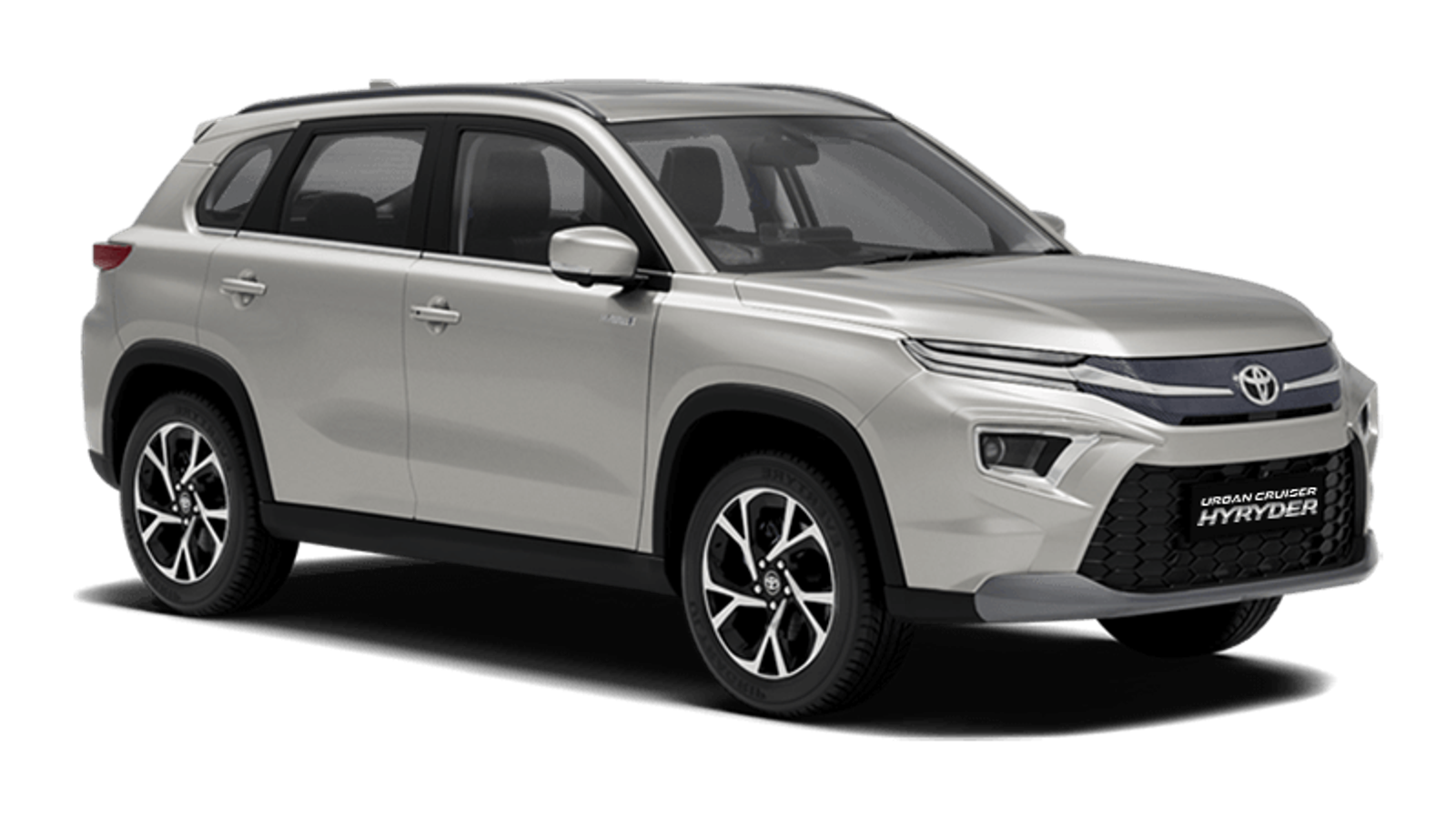
Worked Example: Importing a 2026 Toyota Urban Cruiser Hyryder to Uganda
Here is the full landed cost of one car, a 2026 Toyota Urban Cruiser Hyryder shipped from India to Uganda, worked out on 9 November 2026 with the customs rules in force that day. It lands at 149,767,827 UGX (about US$37,223), and duties and taxes come to 56.5% of its CIF value.
| Item | Share of CIF | Amount |
|---|---|---|
| Vehicle priceIPAS price for a car sourced in India | 62,364,703 UGXUS$15,500 | |
| Shipping and insuranceIndia to Uganda | 21,879,952 UGXUS$5,438 | |
| CIF valueCost, insurance and freight: the customs value | 84,244,654 UGXUS$20,938 | |
| Customs duties and taxes | ||
| Basic customs duty (25%)25% of CIF | 21,063,175 UGXUS$5,235 | |
| Additional duty (6%)Base or related charges differ from CIF; see the duty structure above8.5% of CIF | 7,161,882 UGXUS$1,780 | |
| GST/VAT (18%)Base or related charges differ from CIF; see the duty structure above22.9% of CIF | 19,333,058 UGXUS$4,805 | |
| Total duties and taxes56.5% of CIF | 47,558,115 UGXUS$11,820 | |
| Service and handling | ||
| Premium Import ServiceOptional end-to-end import management by IPAS | 3,886,729 UGXUS$966 | |
| Destination handlingPort terminal and customs clearance handling | 14,078,329 UGXUS$3,499 | |
| Total landed cost | 149,767,827 UGXUS$37,223 | |
Documents Required
Importing a vehicle to Uganda requires documentation across four categories: shipping and ownership, identity and authorisation, compliance and standards, and insurance. Missing or incorrect documents cause delays, surcharges, and risk of vehicle seizure.
Shipping and Ownership Documents
- Original Bill of Lading (from shipping line)
- Commercial Invoice (must state make, model, year, engine capacity, and CIF value)
- Vehicle Logbook or Title (original from country of export) — or Manufacturer's Certificate of Origin for new vehicles
- Export Certificate from country of origin
Identity and Authorisation
- National ID or Passport of the importer
- Tax Identification Number (TIN) from URA — mandatory for all importers
- Import Permit (obtained from URA before shipment)
- Authorisation Letter for clearing agent (if using a third-party agent)
Compliance and Standards
- Certificate of Conformity (CoC) from accredited PVoC agency — confirms Euro 4 compliance, roadworthiness, and age verification
- JEVIC Certificate (or certificate from TUV Rheinland or other UNBS-accredited agency)
- Certificate of Road Worthiness (CRW) for used vehicles
- UNBS Import Clearance Certificate — obtained via the UNBS ePortal (eportal.unbs.go.ug) upon vehicle arrival
Insurance
- Marine Insurance Certificate — MUST be issued by a Ugandan-registered insurer (since February 1, 2025). Foreign insurance policies are no longer accepted. Non-compliance attracts a 1% penalty on CIF value.
PVoC Warning
Vehicles arriving without a valid CoC or CRW face serious consequences:
- 15% CIF surcharge for destination inspection
- Extended processing time (weeks, not days)
- Risk of vehicle destruction at the importer's cost
- Possible forced re-export at the importer's expense
Always complete PVoC inspection in the country of export before shipping. The cost of pre-shipment inspection (typically $150-250) is a fraction of the penalties for non-compliance.
Customs Clearance Timeline
Uganda's customs clearance process is multi-stage, reflecting the landlocked logistics chain. Plan for 55-75 days from origin to registration, depending on the shipping route, port congestion, and document readiness.
| Stage | Duration | Details |
|---|---|---|
| PVoC pre-shipment inspection | 3-7 days | At origin country via JEVIC, TUV Rheinland, or other UNBS-accredited agency |
| Sea freight transit to Mombasa/Dar es Salaam | 21-35 days | Depends on origin (Japan 3-4 weeks, UK/India 4-5 weeks) |
| Port discharge and initial clearance | 3-7 days | Physical inspection, transit bond preparation |
| Road transport to Kampala Bond | 3-5 days | Mombasa to Kampala via Malaba; or Dar es Salaam to Kampala via Mutukula |
| URA ASYCUDA declaration and assessment | 1-3 days | Electronic customs declaration via ASYCUDA World system |
| Tax payment and URA clearance | 1-3 days | Payment via banks or mobile money; clearance certificate issued |
| UNBS Import Clearance Certificate | 1-2 days | Applied for via UNBS ePortal after vehicle arrival |
| URA registration and number plates | 3-5 business days | Registration fee payment, logbook and plate issuance |
Total Estimated Timeline: 55-75 days (from pre-shipment inspection to driving on Ugandan roads)
Professional Clearing Agent Costs:
A clearing agent handling the full chain from Mombasa to Kampala typically charges $2,500-$3,500. This covers Mombasa port charges, transit bond, road transport to Kampala, customs documentation, and agent fees. This figure excludes government duties and taxes.
Tips to Avoid Delays:
- Complete PVoC inspection before shipping — this is the single most important step
- Obtain your TIN from URA before the vehicle arrives
- Appoint a licensed clearing agent early — they manage the transit bond and border crossings
- Ensure the Commercial Invoice accurately states engine capacity, year of manufacture, and CIF value to avoid URA re-assessment
- Arrange Ugandan marine insurance before the vehicle reaches port
Homologation and Vehicle Approval
UNBS Pre-Export Verification of Conformity (PVoC)
All vehicles imported into Uganda must undergo mandatory pre-export inspection before shipping, administered under the UNBS Act. The PVoC programme ensures that imported vehicles meet Uganda's safety, emissions, and roadworthiness standards (Uganda Standard US 845:2017) before they leave the country of export.
Accredited Inspection Agencies:
- JEVIC (Japan Export Vehicle Inspection Center) — primary agency for Japanese exports
- TUV Rheinland — covers multiple export countries
- Other agencies accredited by UNBS for specific countries
What PVoC Inspection Covers:
- Vehicle age verification (must be within the age limit from manufacture)
- Euro 4 emissions compliance testing
- Roadworthiness assessment (brakes, tyres, suspension, lights, steering)
- Chassis and engine number verification
- Odometer integrity check and mileage verification
- RHD configuration confirmation
- Overall structural integrity
PVoC Fees:
Typically $150-250 per vehicle depending on the country of inspection and the inspection agency. This is a mandatory cost that should be factored into the total import budget. UNBS also charges an inspection fee of about UGX 515,000 per vehicle (FY 2026), paid after clearance.
Euro 4 Mandate (2024):
Uganda adopted Euro 4 as the minimum emissions standard for all imported vehicles from 2024. The PVoC inspection includes emissions testing against these benchmarks. Vehicles failing the Euro 4 standard are rejected and cannot receive a Certificate of Conformity. Uganda has set a target of Euro 6 compliance by 2030.
UNBS Import Clearance Certificate:
Upon arrival in Uganda, importers must obtain a UNBS Import Clearance Certificate through the UNBS ePortal (eportal.unbs.go.ug). This certificate confirms that the vehicle's PVoC documentation has been verified and the vehicle is cleared for registration. The ePortal application typically takes 1-2 days.
Destination Inspection (Penalty Route):
Vehicles arriving without valid PVoC documentation are subject to destination inspection at the importer's cost. This process is significantly more expensive and time-consuming than pre-shipment inspection. Vehicles failing destination inspection may be destroyed at the importer's cost or forcibly re-exported. This is not a viable alternative to proper PVoC — it is a penalty mechanism.
Registration Procedures and Costs
After customs clearance by URA, the vehicle must be registered to receive Ugandan plates and a logbook. The registration process is handled by URA's Motor Vehicle Registration Division.
Registration Steps:
- Submit customs clearance certificate, tax payment receipts, and all vehicle documents to URA
- Pay registration fee of UGX 714,300 (approximately $190)
- URA processes the local registration
- Receive official Ugandan Logbook
- Receive Number Plates — standard plates cost UGX 135,000 (approximately $36)
Digital Number Plates:
Uganda began rolling out digital number plates with embedded security chips in early 2025. These plates are designed to reduce fraud, improve vehicle tracking, and enhance road safety. The digital plate programme is being phased in alongside traditional plates.
Registration Costs Summary
| Component | Cost |
|---|---|
| Registration fee | UGX 714,300 (~$190) |
| Standard number plates | UGX 135,000 (~$36) |
| Digital number plates | Higher fee (phased rollout, pricing varies) |
| UNBS inspection fee | About UGX 515,000 (FY 2026) |
Post-Registration Requirements:
- Third-party motor insurance is mandatory before driving on public roads
- Annual road licence renewal required
- Periodic vehicle inspections for continued roadworthiness
- Vehicles must display valid number plates at all times
Processing Time:
Registration typically takes 3-5 business days after all documents are submitted and fees are paid. The entire process from customs clearance to driving on Ugandan roads can be completed within one to two weeks if documents are in order.
Frequently Asked Questions
Q: Do electric vehicles get a duty break in Uganda?
A: No. A privately imported battery EV, hybrid or plug-in hybrid pays the standard 25% import duty, 18% VAT on CIF plus duty, the 1.5% infrastructure levy and the 6% withholding tax — about 55% of CIF when new, exactly the same as a petrol car of the same value. Incentives for EV assembly and charging investors exist under investment law, but they do not apply to someone importing a finished vehicle.
Q: How does Uganda's import process differ from Kenya's, given both are in the EAC?
A: The differences are significant. Kenya applies 35% import duty for FY 2026/27 (staying the 25% EAC rate), while Uganda applies the standard 25%. Uganda allows vehicles up to 15 years old (13 under the FY 2026/27 measures), while Kenya requires them to be under 8 years old. Uganda charges no excise duty on ordinary cars, while Kenya charges 20-35% based on engine size. Uganda imposes a 6% Withholding Tax and an age-based Environmental Levy (35% at 5-10 years, 50% over 10 years) that Kenya does not have. Uganda also requires local marine insurance from a Ugandan insurer since February 2025. Finally, Uganda is landlocked — vehicles must transit through Kenya or Tanzania, adding 7-15 days and $2,500-3,500 in clearing and transport costs. See our Kenya import guide and Tanzania import guide for comparison.
Q: What is the total landed cost for a typical vehicle?
A: For a new passenger car with a CIF value of $30,000, the taxes come to about 55% of CIF — $16,500 ($14,700 if the withholding tax is not collected) — plus shipping and clearing agent costs. A 7-year-old car at the same CIF would pay about $27,000 (90%), and one over 10 years old about $31,500 (105%). Use CarImport.AI for an exact calculation based on your specific vehicle, origin, and destination.
Q: Can I import a left-hand drive vehicle to Uganda?
A: In practice, no. Uganda drives on the left and requires right-hand drive for normal private use; LHD vehicles face registration difficulty. Narrow exceptions exist only for special-purpose vehicles assessed on a case-by-case basis. There is no LHD-to-RHD conversion programme in Uganda. Vehicles from LHD origins (USA, continental Europe) must be converted to RHD before export, which typically costs $30,000 and takes 30-45 days.
Q: Why must I use a Ugandan insurance company?
A: Since February 1, 2025, Uganda requires all imported vehicles to be covered by marine insurance from a Ugandan-registered insurer. Foreign insurance policies are no longer accepted. This policy supports the domestic insurance industry and ensures claims are handled under Ugandan jurisdiction. Non-compliance attracts a 1% penalty on CIF value. The mandatory local insurance rate is approximately 0.3% of insured value. Arrange this before your vehicle reaches the transit port.
Q: What happens if my vehicle fails PVoC inspection?
A: If a vehicle fails pre-shipment PVoC, it cannot receive a Certificate of Conformity and should not be shipped. The exporter must either repair the vehicle and re-inspect or sell it locally. If a vehicle somehow arrives in Uganda without valid PVoC documentation, it faces a 15% CIF surcharge for destination inspection. Failure at destination inspection can result in destruction of the vehicle at the importer's cost or forced re-export. Always complete PVoC before shipping.
Q: How long does the entire import process take?
A: From pre-shipment inspection to registration, expect 55-75 days total. This breaks down as: PVoC inspection (3-7 days), sea freight to Mombasa or Dar es Salaam (21-35 days), port discharge and transit to Kampala (6-12 days), customs clearance and duty payment (3-6 days), UNBS clearance (1-2 days), and registration (3-5 days). The landlocked transit adds 7-15 days compared to importing directly to a coastal country like Kenya.
Q: What is the Environmental Levy and how is it calculated?
A: The Environmental Levy is charged on CIF by the vehicle's age from year of manufacture: 0% under 5 years, 35% for 5-10 years and 50% over 10 years. It is not part of the VAT base. On a $30,000 CIF vehicle it adds $10,500 at 5-10 years and $15,000 over 10 years. The levy is designed to discourage the import of older, more polluting vehicles.
Q: What is the maximum age of a car I can import to Uganda?
A: The Traffic and Road Safety (Amendment) Act 2018 sets 15 years from year of manufacture, so in 2026 a vehicle must be manufactured in 2011 or later. The FY 2026/27 revenue measures cut this to 13 years, so a vehicle aged 13-15 years may be refused — confirm with URA before you buy one.
Start Your Uganda Import
Importing a vehicle to Uganda requires navigating a multi-layered duty structure, landlocked logistics through Kenya or Tanzania, and strict PVoC compliance requirements. With the right preparation — completing pre-shipment inspection, arranging Ugandan marine insurance, appointing a clearing agent, and pre-calculating duties — the entire process from purchase to registration can be completed in 55-75 days.
Ready to calculate your exact landed cost?
Use CarImport.AI for an instant, accurate breakdown of all customs duties, taxes, shipping costs, and fees for your specific vehicle to Uganda. The calculator accounts for the EAC CET, VAT, Withholding Tax, Environmental Levy, Infrastructure Levy, and the other charges that apply.
Calculate Your Import Cost on CarImport.AI
Already own a vehicle and need shipping?
Use IPAS EXPRESS Pro Car Shipping to get competitive sea freight quotes to Mombasa (Northern Corridor) or Dar es Salaam (Central Corridor), with transparent pricing and stage-by-stage timelines for your Uganda-bound shipment.
Sources: Uganda Revenue Authority (ura.go.ug); Uganda National Bureau of Standards (unbs.go.ug); EAC Common External Tariff; Traffic and Road Safety (Amendment) Act 2018; Uganda FY 2026/27 Revenue Enhancement and Compliance measures; UN Environment Programme — Used Vehicles and the Environment (2024).
Ready to Import Your Vehicle?
Two tools, two use cases. Pick the one that fits your needs.
Source a vehicle through IPAS and calculate the full landed cost — customs duties, shipping, and compliance — to destinations across the world.
Calculate Landed CostIPAS Express
Already have a vehicle? Get instant shipping quotes — sea freight, air freight, or RoRo — for one car or multiple vehicles worldwide.
Get Shipping QuoteRelated Guides
How to Import a Car to Kenya: KRA Duties & Process (2026)
Complete guide to importing a car to Kenya in 2026. Covers KRA duty rates (Import Duty 35% for FY 2026/27, Excise 20/25/35%, 10% for EVs, VAT 16%, IDF 2.5%, RDL 2%), the under-8-years age limit, KEBS PVOC inspection, CRSP valuation, and NTSA registration — with step-by-step customs clearance process.
14 min readHow to Import a Car to Tanzania: EAC Duties, TBS PVoC & Process (2026)
Complete guide to importing a car to Tanzania in 2026. Covers the 25% EAC import duty, 0/5/10% engine-based excise, the +15% (8-10 years) and +30% (over 10 years) age surcharges, 18% VAT, the 2% railway levy, TBS pre-shipment verification, RHD rules and step-by-step registration through TRA.
19 min read