
Introduction
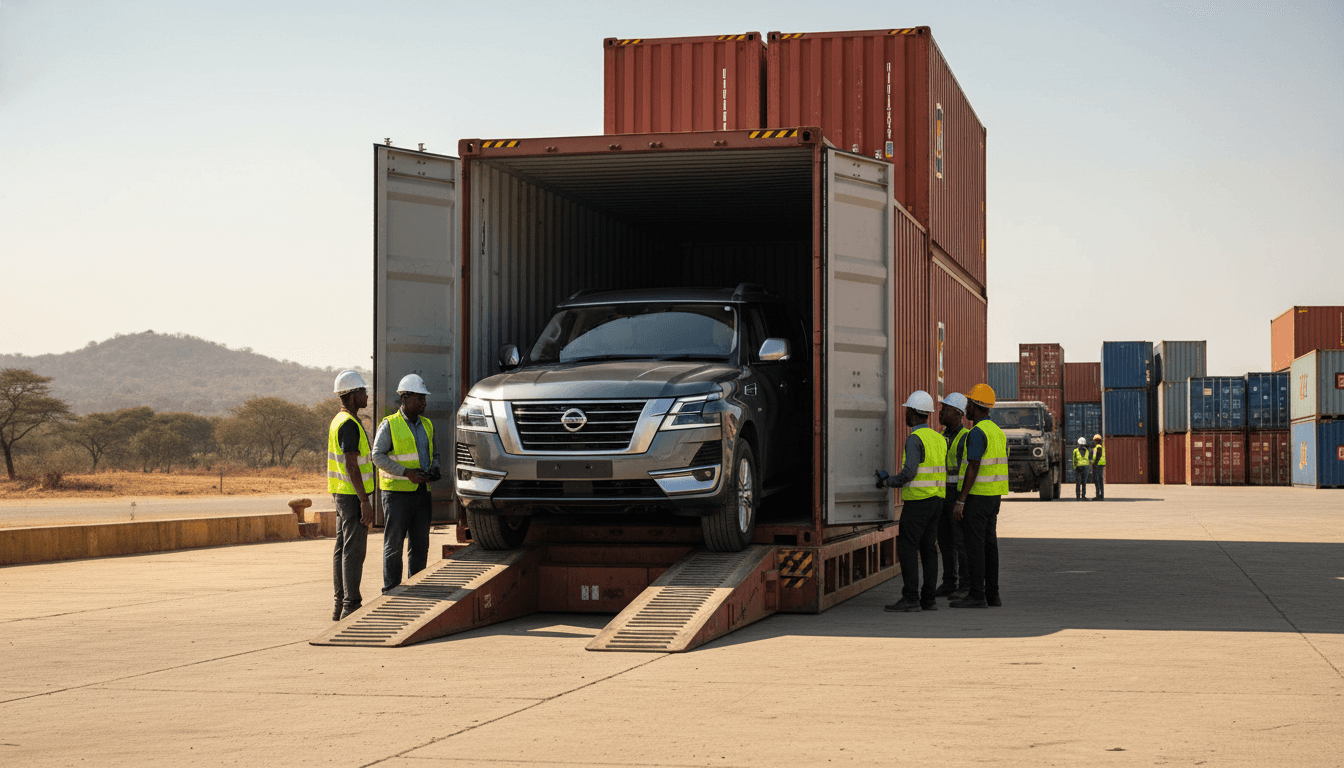
Zimbabwe is a landlocked Southern African nation with a growing appetite for imported vehicles. With no domestic vehicle manufacturing at scale, the country relies heavily on imports to meet demand from its expanding urban population and commercial transport sector. Vehicles enter Zimbabwe overland through border posts shared with South Africa, Mozambique, Botswana, and Zambia, after arriving at regional seaports such as Durban, Beira, and Walvis Bay.
The Zimbabwe Revenue Authority (ZIMRA) administers all customs assessments and tax collection on imported vehicles. The Vehicle Inspection Department (VID) handles roadworthiness and fitness certification, while the Central Vehicle Registry (CVR) and Zimbabwe National Road Administration (ZINARA) manage registration, number plates, and annual licensing. Understanding the interplay between these agencies is critical to a smooth import experience.
Zimbabwe's import regime underwent significant reform in 2024. Statutory Instrument 54 of 2024 introduced a hard ban on importing used vehicles aged 10 years or older from the date of manufacture. Statutory Instrument 172 of 2024 followed with targeted exemptions for returning residents and classic vehicles. From January 2025, battery electric vehicles received a meaningful duty reduction. These changes, combined with on-site registration at major border posts from July 2024, have fundamentally reshaped the import landscape. This guide covers every step of the process, from eligibility and transit routing through customs clearance, duty payment, and border registration.
Quick Facts
| Detail | Information |
|---|---|
| Lead Agency | Zimbabwe Revenue Authority (ZIMRA) |
| Vehicle Inspection | Vehicle Inspection Department (VID) |
| Registration Body | Central Vehicle Registry (CVR) / ZINARA |
| Steering | Right-Hand Drive (RHD) |
| Customs Duty | 25-60% depending on vehicle type |
| Surtax | 35% on passenger sedans/wagons over 5 years old |
| VAT | 15% on Value for Duty Purposes (VDP) + duty + surtax |
| Age Limit | 10 years from date of manufacture (SI 54/2024) |
| EV Duty (from Jan 2025) | 25% (reduced from 40%) |
| Primary Entry Point | Beitbridge Border Post (South Africa border) |
| Customs Clearance | 4-10 working days at transit shed |
| Total Door-to-Road | 6-12 weeks typical |
| Total Tax Burden (typical) | 44-99%+ depending on vehicle type, age, and engine |
| Currency Reference | USD (ZIMRA uses USD for vehicle valuations) |
Types of Cars That Can Be Imported
Zimbabwe permits the import of both new and used vehicles, subject to strict age restrictions introduced in March 2024 and modified in October 2024. The same statutory duty rates apply regardless of whether the vehicle is new or used, though used passenger vehicles older than five years face an additional 35% surtax that dramatically increases the total tax burden.
New Vehicles
New vehicles (under 5 years from manufacture) from any origin can be imported freely under the Open General Import Licence (OGIL). New vehicles attract customs duty only (no surtax) plus VAT, making them the most cost-effective category to import. No special permits or pre-clearance are required beyond standard ZIMRA documentation.
Used Vehicles (Under 10 Years)
Used vehicles less than 10 years old from the date of manufacture are permitted. However, passenger-type vehicles (sedans and station wagons) older than 5 years attract an additional 35% surtax on top of the standard customs duty. This surtax is calculated on the same VDP base as customs duty. The practical effect is that a 6-year-old sedan pays roughly 60-70% more in total duties than an identical vehicle under 5 years old.
Used Vehicles (10 Years and Older)
Statutory Instrument 54 of 2024, effective March 2024, introduced a hard ban on importing used vehicles aged 10 years or older from the date of manufacture. Non-compliant vehicles must be re-exported at the owner's expense. ZIMRA does not accept payment of additional duties as an alternative to re-export.
Exemptions to the 10-Year Ban (SI 172/2024)
Statutory Instrument 172 of 2024, effective October 2024, created three targeted exemptions:
- Returning Residents and Immigrants: May import one personal vehicle up to 25 years old, provided they have been resident outside Zimbabwe for at least 2 years. Vehicles valued up to USD 40,000 qualify for full duty exemption (VAT still applies). Value above USD 40,000 attracts normal duty on the excess. Personal use only.
- Diplomats: May import vehicles up to 25 years old under diplomatic privilege.
- Antique, Classic, Vintage, and Historic Vehicles: Vehicles over 25 years old may be imported with prior Ministry of Industry and Commerce pre-clearance. Approval is granted based on assessment of design originality, rarity, and historical significance. This is not an automatic right.
Battery Electric Vehicles
From 1 January 2025, battery electric vehicles (BEVs) attract a reduced customs duty rate, down from the standard passenger vehicle rate. BEVs are now the lowest-dutied passenger car category in Zimbabwe. Hybrid vehicles (HEVs and PHEVs) do not benefit from this reduction and continue to attract standard passenger vehicle duty rates.
Left-Hand Drive Vehicles
Zimbabwe drives on the left and uses right-hand drive vehicles as standard. There is no explicit statutory ban on left-hand drive vehicles, but they are uncommon, may face practical challenges during VID fitness inspection, and are generally avoided by importers. Vehicles sourced from Japan, the United Kingdom, Australia, and South Africa are naturally RHD and well-suited to the Zimbabwean market.
Prohibited Vehicles
- Used vehicles 10 years or older from manufacture date (except qualifying exemptions)
- Salvage, flood-damaged, or structurally compromised vehicles (rejected by ZIMRA and VID)
- Vehicles without valid documentation or police clearance
Cars You Can Import to Zimbabwe
Each card is a full landed-cost calculation: the car's price, shipping, every duty and tax, and handling, worked out on 9 November 2026 with the rules in force that day. All are right-hand drive to suit Zimbabwe's roads. Tap a car to see its full breakdown, or open it to change the trim, colour or port.
More cars you can import to Zimbabwe
New cars IPAS sources to order that meet Zimbabwe's import rules. Prices are ex works, before shipping and duty. Cars marked C-RHD are built left-hand drive and converted to right-hand drive before shipping; the calculator adds the conversion. Open a car to work out its full landed cost.
 RHDBackorder2026
Tata Tiago
Hatchback · 20 VariantsPetrol · CNGFrom $5,700Ex Works, India RHDBackorder2026
Rolls-Royce Spectre
Coupe · 2 VariantsElectricFrom $389,800Ex Works, UK RHDBackorder2026
Honda Amaze
Sedan · 8 VariantsPetrolFrom $8,300Ex Works, India LHD/C-RHDBackorder2025
Chevrolet Silverado 3500 HD
Pickup · 10 VariantsPetrol · DieselFrom $46,400Ex Works, USA RHDBackorder2026
Chevrolet Silverado 2500 HD
Pickup · 1 VariantDieselFrom $106,700Ex Works, NZ RHDBackorder2026
Ford Mustang Fastback
Coupe · 2 VariantsPetrolFrom $89,100Ex Works, UK RHDBackorder2026
Ford Mustang Convertible
Convertible · 1 VariantPetrolFrom $95,400Ex Works, UK RHDBackorder2026
Nissan Tekton
SUV · 12 VariantsPetrolFrom $9,400Ex Works, India RHDBackorder2026
BMW M4 Convertible
Convertible · 2 VariantsPetrolFrom $128,100Ex Works, UK LHD/C-RHDBackorder2026
Tesla Cybertruck
Pickup · 2 VariantsElectricFrom $105,600Ex Works, USA RHDBackorder2026
Mercedes-Benz AMG GT 4-Door Coupe Electric
Coupe · 3 VariantsElectricFrom $134,700Ex Works, UK RHDBackorder2026
Toyota Hilux Travo-e
Pickup · 1 VariantElectricFrom $51,100Ex Works, Thailand RHDBackorder2025
Toyota Tundra
Pickup · 2 VariantsHybridFrom $118,500Ex Works, Australia LHD/C-RHDBackorder2025
GMC Yukon XL
SUV · 11 VariantsPetrol · DieselFrom $88,200Ex Works, USA RHDBackorder2026
Hyundai Creta Electric
SUV · 18 VariantsElectricFrom $23,300Ex Works, India RHDBackorder2026
Lexus ES
Sedan · 7 VariantsElectricFrom $54,600Ex Works, Japan
Entry Points and Transit Routes
As a landlocked country, Zimbabwe has no seaports. All vehicles arrive overland through border posts after being discharged at regional ports in neighbouring countries. The choice of transit route depends on the vehicle's origin and the importer's location within Zimbabwe.
Primary Border Posts
| Border Post | Border With | Location | Notes |
|---|---|---|---|
| Beitbridge | South Africa | Southern Zimbabwe | Largest vehicle import post, 24-hour operation, transit sheds, on-site registration from July 2024 |
| Forbes / Mutare | Mozambique | Eastern Zimbabwe | Second major corridor, Manica Transit Shed for used vehicles |
| Plumtree | Botswana | Western Zimbabwe | On-site registration from July 2024, growing volume |
| Chirundu | Zambia | Northern Zimbabwe | Northern corridor, one-stop border post |
| Victoria Falls / Kazungula | Zambia / Botswana | Northwestern Zimbabwe | Secondary, lower vehicle volumes |
Transit Routes from Regional Seaports
| Route | Best For | Transit Time (sea + road) |
|---|---|---|
| Durban Port (South Africa) to Beitbridge | Vehicles from Japan, Europe, UAE, India, USA | 4-6 weeks total |
| Beira Port (Mozambique) to Forbes/Mutare | Vehicles from Japan, UAE via eastern Africa | 4-6 weeks total |
| Walvis Bay (Namibia) to Plumtree | Growing alternative, less congestion | 5-7 weeks total |
Durban to Beitbridge is the most common route for vehicles imported from Japan, the United Kingdom, the UAE, India, and the United States. Durban is Southern Africa's largest port and handles the highest volume of vehicle imports in the region. Road transit from Durban to Beitbridge takes approximately 1-2 days.
Beira to Forbes/Mutare is the preferred eastern corridor, particularly for vehicles sourced from Japan and the UAE. The Beira corridor is shorter in distance for importers based in Harare and eastern Zimbabwe.
Walvis Bay to Plumtree via Botswana is a growing alternative that avoids congestion at Beitbridge, though transit distances are longer.
Used Vehicle Clearance
Used vehicles are cleared at designated transit sheds (bonded warehouses) at border posts, not at the border crossing itself. New vehicles and vehicles qualifying for the returning resident rebate may be cleared directly at the border post.
For a detailed breakdown of shipping costs from origin countries to these transit ports, see the related guides for South Africa and Namibia.
Restrictions on Vehicle Import
10-Year Age Ban (SI 54/2024)
The single most important restriction for prospective importers. Since March 2024, no used vehicle aged 10 years or older from the date of manufacture may be imported into Zimbabwe. Vehicles that arrive at any border post in breach of this rule must be re-exported at the owner's cost. ZIMRA does not permit payment of additional duties or penalties as an alternative.
Surtax on Older Passenger Vehicles
Passenger-type vehicles (sedans and station wagons) more than 5 years old from the date of manufacture attract an additional 35% surtax. This surtax is calculated on the Value for Duty Purposes (VDP), the same base used for customs duty. The surtax does not apply to pick-ups, SUVs classified as pick-ups, or commercial vehicles.
SARPCO Police Clearance
Every vehicle imported from a Southern African country requires a police clearance certificate from the Southern African Regional Police Chiefs Cooperation Organisation (SARPCO). The clearance must be stamped by the Vehicle Theft Squad and is valid for only 14 days. Importers must ensure the vehicle arrives and clears customs within this window, or a new clearance must be obtained.
On-Site Registration Mandate (July 2024)
From July 2024, number plates and vehicle registration must be obtained at the border post before the vehicle is released. This replaced the previous system where vehicles could be driven on temporary papers to a registration office. The change means that registration processing time is now part of the border clearance timeline.
False Declaration
Filing a false customs declaration on ZIMRA Form 47 is a criminal offence in Zimbabwe. Importers who under-declare vehicle values, misstate the year of manufacture, or provide fraudulent documentation face prosecution, vehicle seizure, and penalties.
Salvage and Flood-Damaged Vehicles
Vehicles with structural damage, salvage titles, or evidence of flood damage are effectively prohibited. Both ZIMRA and VID will reject such vehicles during inspection, and they cannot be registered for road use.
Duty Structure Overview
Zimbabwe's import duty structure consists of three primary components: Customs Duty, Surtax (conditional), and VAT. The total tax burden varies significantly based on vehicle type, age, and classification, ranging from approximately 44% for the lowest-taxed categories to well over 99% for older passenger sedans subject to surtax.
| Component | Applies To | Notes |
|---|---|---|
| Customs Duty | All imported vehicles | Rates vary by vehicle type and classification |
| Surtax (35%) | Passenger sedans/wagons over 5 years old only | Same VDP base as customs duty |
| VAT (15%) | All imported vehicles | Applied on VDP + Customs Duty + Surtax |
Value for Duty Purposes (VDP)
ZIMRA calculates duties based on the VDP, which equals the CIF value plus port charges and storage fees. The CIF value includes the vehicle's purchase price, freight to the transit port, and marine insurance. Port handling and storage at Durban, Beira, or other transit ports are added to form the VDP.
How Duties Are Calculated
Customs Duty is applied to the VDP at the applicable rate. Surtax, if applicable, is also applied to the VDP. VAT is then calculated on the cumulative total of VDP + Customs Duty + Surtax. This cascading calculation means the effective total tax rate is higher than the simple sum of individual rates.
Battery Electric Vehicle Incentive
From January 2025, BEVs attract the lowest customs duty rate among passenger vehicles. This reduction was introduced to encourage the adoption of electric mobility in Zimbabwe. Hybrid vehicles do not qualify for this concession and remain at the standard passenger vehicle rate.
Returning Resident Duty Exemption
Qualifying returning residents (abroad for 2+ years) may import one personal vehicle duty-free, provided its value does not exceed USD 40,000. VAT of 15% still applies. For vehicles valued above USD 40,000, customs duty applies only to the amount exceeding the threshold.
Get exact duty calculations for your specific vehicle using CarImport.AI

Calculate your exact import duty to Zimbabwe
Get a vehicle-specific duty and full landed-cost breakdown — HS classification, every tax, levy and FTA, plus shipping — calculated for your exact make, model and specs.
- Vehicle-specific HS code
- All duties, taxes & FTAs
- Shipping + est. landed cost
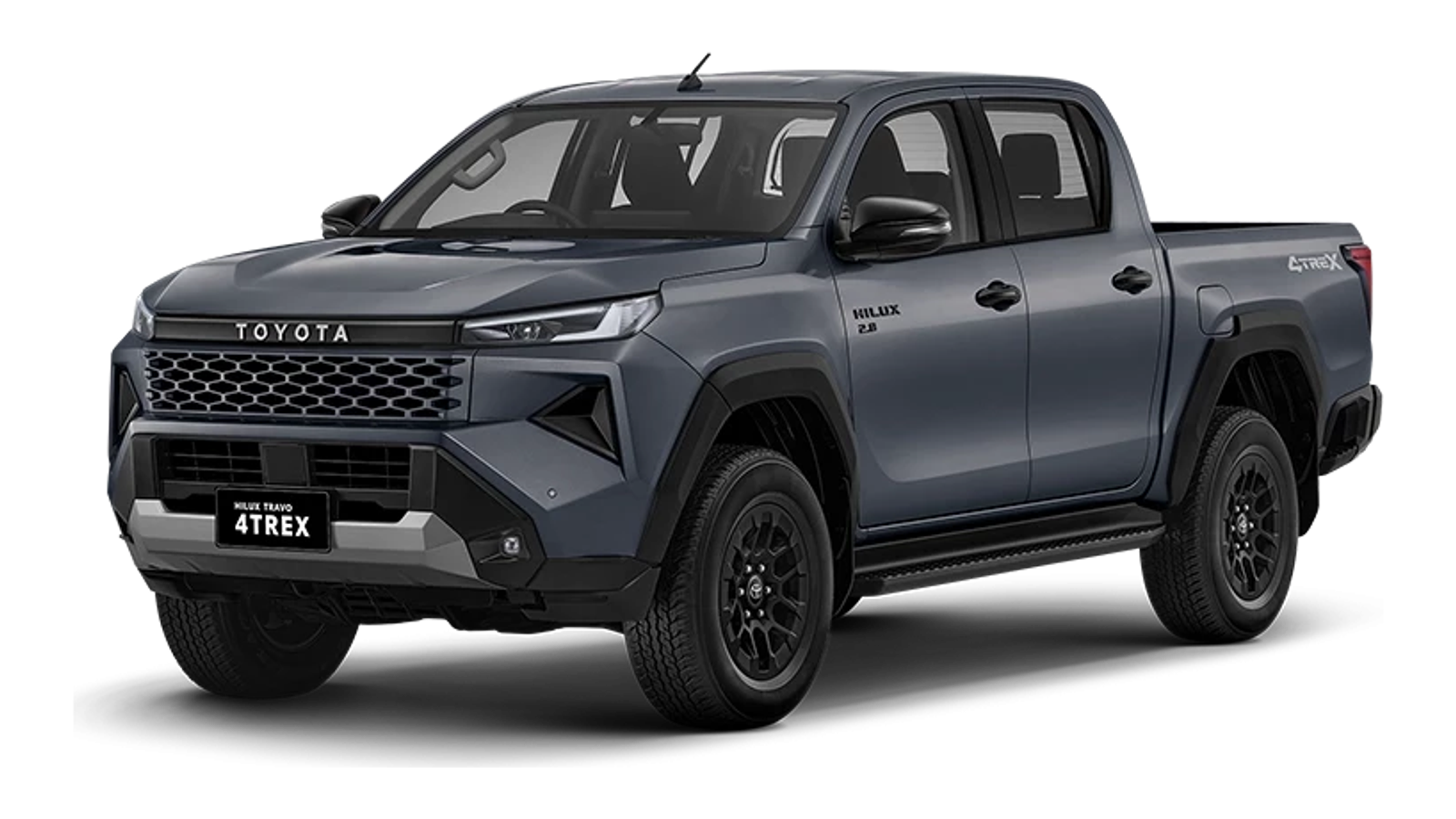
Worked Example: Importing a 2026 Toyota Hilux Travo to Zimbabwe
Here is the full landed cost of one car, a 2026 Toyota Hilux Travo shipped from Thailand to Zimbabwe, worked out on 9 November 2026 with the customs rules in force that day. It lands at US$62,666, and duties and taxes come to 61.7% of its CIF value.
| Item | Share of CIF | Amount |
|---|---|---|
| Vehicle priceIPAS price for a car sourced in Thailand | US$27,100 | |
| Shipping and insuranceThailand to Zimbabwe | US$7,985 | |
| CIF valueCost, insurance and freight: the customs value | US$35,085 | |
| Customs duties and taxes | ||
| Basic customs duty (40%)40% of CIF | US$14,034 | |
| GST/VAT (15.5%)15.5% of CIF plus the duties above21.7% of CIF | US$7,613 | |
| Total duties and taxes61.7% of CIF | US$21,647 | |
| Service and handling | ||
| Premium Import ServiceOptional end-to-end import management by IPAS | US$1,674 | |
| Destination handlingPort terminal and customs clearance handling | US$4,260 | |
| Total landed cost | US$62,666 | |
Documents Required for Import
For ZIMRA Customs Clearance
- ZIMRA Form 47 (Customs Declaration) — completed accurately; false declaration is a criminal offence
- Commercial Invoice or Agreement of Sale showing true open market value
- Original Bill of Lading (from transit port) or Airway Bill
- Freight Statement with full cost breakdown to the Zimbabwe entry point
- Insurance Statement (marine/transit insurance certificate)
- Original Registration Book from the country of export (original or certified copy, for used vehicles)
- Export Bill of Entry from the country of export
- Police Clearance Certificate (SARPCO) — mandatory for vehicles from Southern African countries, valid 14 days, stamped by Vehicle Theft Squad
- ASYCUDA Receipt (proof of duty payment upon assessment)
- Third-Party Insurance Cover Note (obtained at the border before release)
For Returning Residents (additional)
- Proof of foreign residence for a minimum of 2 consecutive years
- Ministry of Industry and Commerce clearance (for vehicles over 10 years old, if qualifying under SI 172/2024)
- Proof the vehicle is for personal use only
For Classic / Antique Vehicles (additional)
- Ministry of Industry and Commerce pre-clearance certificate
- Documentation of design originality, rarity, and historical significance
- Vehicle must be over 25 years old
Tips for Documentation
- Ensure the Bill of Lading matches the vehicle's VIN, engine number, and consignee details exactly
- Commercial invoices must reflect the actual transaction value — ZIMRA cross-checks against market databases
- Obtain the SARPCO police clearance as close to the arrival date as possible given its 14-day validity
- Keep certified copies of all documents; originals are surrendered to ZIMRA during clearance
Customs Clearance Timeline
| Stage | Duration | Details |
|---|---|---|
| Sea freight to transit port (Durban/Beira) | 2-5 weeks | Depends on origin (Japan 2-3 weeks, Europe 4-5 weeks, USA 4-5 weeks) |
| Port discharge and road transit to border | 2-5 days | Durban to Beitbridge ~1-2 days, Beira to Forbes ~1 day |
| Transit shed processing (used vehicles) | 3-7 working days | Inspection, documentation review, ZIMRA assessment |
| ZIMRA duty assessment and payment | 1-3 working days | Electronic payment via banks |
| SARPCO police clearance | Within 14-day validity | Must be completed before or during clearance |
| On-site registration and number plates | Same day | At border (Beitbridge, Plumtree) from July 2024 |
| VID fitness inspection | 1-2 days | Required before annual licensing |
Total Estimated Timeline: 6-12 weeks (from shipping to driving on Zimbabwean roads)
Tips to Avoid Delays
- Arrange SARPCO police clearance early but not too early — the 14-day validity window is tight
- Engage a licensed clearing agent at the border post in advance; they manage the transit shed process and ZIMRA filings
- Ensure all documentation is complete before the vehicle arrives — missing documents cause the most common delays
- Pre-calculate duties using ZIMRA's published tariff schedules to avoid underpayment and re-assessment
- Budget for transit port storage charges in Durban or Beira if there are delays in arranging overland transport
Homologation and Vehicle Approval
Zimbabwe does not operate a formal type-approval system comparable to EU Whole Vehicle Type Approval or Australian ADRs. The Vehicle Inspection Department (VID) is the primary technical authority responsible for determining whether a vehicle is fit for Zimbabwean roads.
VID Fitness Inspection
Every imported vehicle must pass a VID fitness inspection before it can be licensed for road use. The inspection covers:
- Safety equipment: seatbelts, mirrors, horn, windscreen condition
- Lighting: headlamps, indicators, brake lights, reflectors
- Braking system: service brakes and parking brake
- Tyres: tread depth, condition, size appropriateness
- Emissions: visual smoke assessment (no Euro-standard emissions testing)
- Structural condition: chassis integrity, body condition, no evidence of structural repair from salvage damage
No Formal Emissions Standard
Unlike Kenya (Euro 4) or South Africa (Euro 2 equivalent), Zimbabwe does not enforce a specific Euro emissions standard for imported vehicles. VID performs a visual smoke assessment only. This means vehicles from markets with older emissions standards are not automatically excluded.
Key Differences from Neighbouring Countries
- No pre-export inspection requirement (unlike Kenya's PVOC)
- No formal type-approval certificate needed
- VID inspection happens after import, not before shipping
- Salvage and structurally compromised vehicles are rejected at VID
VID Certificate
The VID fitness certificate is required for annual vehicle licence renewal through ZINARA. Vehicles that fail VID inspection cannot be licensed or driven on public roads until defects are rectified and a re-inspection is passed.
Registration Procedures and Costs
Since July 2024, vehicle registration and number plate issuance take place at the border post itself, before the vehicle is released. This applies to Beitbridge and Plumtree, with other border posts expected to follow.
Registration Steps
- Complete ZIMRA customs clearance and pay all assessed duties (ASYCUDA receipt issued)
- Obtain SARPCO police clearance (Vehicle Theft Squad stamp, valid 14 days)
- Arrange third-party motor insurance (cover note obtainable at the border)
- Register the vehicle and receive number plates (CVR / ZINARA desk at the border post)
- Undergo VID fitness inspection (required before the first annual licence and periodically thereafter)
- Pay annual vehicle licence / road tax (ZINARA, payable annually by vehicle class)
On-Site Border Registration (July 2024 Change)
Prior to July 2024, imported vehicles could be driven on temporary papers to a registration office elsewhere in Zimbabwe. From July 2024, number plates must be obtained at the border before release. This eliminates the previous practice of driving unregistered imports on public roads but adds registration processing time to the border clearance workflow.
Registration Costs
Registration fees, number plates, and annual licence fees are administered by ZINARA and vary by vehicle class. ZIMRA does not publish a single consolidated fee schedule, so importers should confirm current fees at the border or with a clearing agent. Budget for registration, plates, and initial road tax as a separate line item in your import cost calculation.
Post-Registration Requirements
- Third-party motor insurance is mandatory before driving on public roads
- Annual road licence (ZINARA) must be renewed each year by vehicle class
- VID fitness inspection required for annual licence renewal
- All ownership transfers must be processed through CVR
Currency Note
ZIMRA uses USD as the reference currency for vehicle valuations and duty calculations. The Zimbabwe Gold (ZiG) currency was introduced in 2024, but USD remains the standard for import transactions. Duties may be payable in USD or ZiG at the prevailing exchange rate.
Frequently Asked Questions
Q: What is the age limit for importing a vehicle to Zimbabwe? A: Since March 2024 (SI 54/2024), used vehicles aged 10 years or older from the date of manufacture cannot be imported. For 2026, this means vehicles manufactured before 2017 are banned. Exemptions exist for returning residents (up to 25 years), diplomats (up to 25 years), and certified antique/classic vehicles (over 25 years with Ministry pre-clearance).
Q: What is the returning resident vehicle import exemption? A: Under SI 172/2024, Zimbabwean nationals or immigrants who have lived abroad for at least 2 consecutive years may import one personal vehicle duty-free, provided its value does not exceed USD 40,000. VAT of 15% still applies. Vehicles up to 25 years old are permitted under this exemption. Value above USD 40,000 attracts normal duty on the excess amount.
Q: How much is the surtax on used vehicles? A: The 35% surtax applies only to passenger-type vehicles (sedans and station wagons) more than 5 years old from the date of manufacture. It does not apply to pick-ups, SUVs classified as pick-ups, or commercial vehicles. The surtax is calculated on the same VDP base as customs duty, and VAT is then applied on top of both. Use CarImport.AI to calculate the exact total for your specific vehicle.
Q: What is the customs duty on electric vehicles in Zimbabwe? A: From 1 January 2025, battery electric vehicles (BEVs) attract a reduced customs duty rate of 25%, down from 40%. This makes BEVs the lowest-dutied passenger car category in Zimbabwe. Hybrid vehicles (HEVs, PHEVs) do not benefit from this reduction and continue to attract standard passenger vehicle duty rates.
Q: Do I need to register my vehicle at the border? A: Yes. From July 2024, number plates and vehicle registration must be obtained at the border post (Beitbridge, Plumtree) before the vehicle is released. You cannot drive an unregistered import on Zimbabwean roads. Registration, third-party insurance, and plates are processed on-site at equipped border posts.
Q: How long does the entire import process take? A: Expect 6-12 weeks from the time of shipping to driving on Zimbabwean roads. This includes 2-5 weeks of sea freight to Durban or Beira, 2-5 days for overland transit to the border, 3-7 working days for transit shed processing and ZIMRA clearance, and same-day border registration. Delays most commonly occur from incomplete documentation or SARPCO police clearance timing.
Q: Can I import a classic or vintage car to Zimbabwe? A: Yes, but only vehicles over 25 years old, and only with prior Ministry of Industry and Commerce pre-clearance. Approval is based on assessment of the vehicle's design originality, rarity, and historical significance. This is not automatic — the Ministry must grant pre-clearance before the vehicle arrives in Zimbabwe.
Q: What happens if my vehicle is older than 10 years and does not qualify for an exemption? A: The vehicle must be re-exported at your expense. ZIMRA does not permit payment of additional duties or penalties as an alternative. If you are unsure about eligibility, verify the vehicle's manufacture date against the 10-year threshold before purchasing or shipping. For vehicles in the 5-10 year window, be aware of the 35% surtax on passenger sedans and wagons.
Ready to Import a Car to Zimbabwe?
Zimbabwe's import regime balances accessibility for newer vehicles with protective measures through the 10-year age ban and surtax on older passenger cars. Whether you are importing a new vehicle duty-efficiently, sourcing a used RHD vehicle from Japan or the UK within the age window, or returning to Zimbabwe with a personal vehicle under the SI 172/2024 exemption, accurate cost calculation is essential.
Two tools to get started:
CarImport.AI — Calculate the full landed cost of any vehicle to Zimbabwe, including customs duty, surtax, VAT, shipping, and compliance requirements. Get your exact import cost in seconds, factoring in the vehicle's type, age, and classification.
IPAS EXPRESS Pro Car Shipping — Already have a vehicle? Get instant shipping quotes from any origin to Durban, Beira, or Walvis Bay, with transparent pricing and stage-by-stage timelines for the full journey to Zimbabwe's border posts.
Related Southern Africa Guides:
- How to Import a Car to South Africa (2026) — South Africa is Zimbabwe's primary transit country, with Durban serving as the main port for vehicle imports destined for Beitbridge.
- How to Import a Car to Namibia (2026) — Walvis Bay via Botswana and Plumtree is a growing alternative corridor for Zimbabwe-bound imports.
Ready to Import Your Vehicle?
Two tools, two use cases. Pick the one that fits your needs.
Source a vehicle through IPAS and calculate the full landed cost — customs duties, shipping, and compliance — to destinations across the world.
Calculate Landed CostIPAS Express
Already have a vehicle? Get instant shipping quotes — sea freight, air freight, or RoRo — for one car or multiple vehicles worldwide.
Get Shipping Quote