
Route rate sheet · Sea freight · Japan to Sri Lanka
Ship a car from Japan to Sri Lanka
Yokohama, Kobe, Nagoya to Port of Colombo in a sealed container. One price covers ocean freight, export handling in Japan and marine insurance; destination port charges, duty and VAT are shown separately below.
Rates verified 9 Nov 2026 · page refreshed 10 Nov 2026
6,840 km great circle · 16-27 days
Rates verified 9 Nov 2026 · page refreshed 10 Nov 2026
At a glance
Japan to Sri Lanka car shipping: cost, time and rules
Shipping a car from Japan to Sri Lanka with IPAS Express costs from $5,255 port to port for one car in its own 20ft container, with sea transit of 16-27 days. Sri Lanka only admits cars up to 3 years old, measured from date of manufacture to the Bill of Lading date. Customs duty on a car is 30% plus a 50% surcharge on that duty.
Sri Lanka drives on the left, and Japanese-market cars are right-hand drive, so they match local steering.
- Steering
- Right-hand drive
- Sri Lanka drives on the left. IPAS treats it as an RHD market, so Japanese-market cars match.
- Age limit
- Cars up to 3 years old
- Light goods vehicles up to 4 years old. Age runs from date of manufacture to the Bill of Lading date. Older vehicles cannot be imported.
- Customs duty
- 30% Gen Duty + 50% surcharge on the duty
- Together 45% of CIF on a motor car. The surcharge runs to 31 December 2026 unless extended.
- Other charges
- Excise, VAT 18%, SSCL 2.5%, Luxury Tax
- Excise is a specific rate per cm3, per kW or per unit. VAT and SSCL are charged on CIF plus 10%, plus duty and excise. Luxury Tax applies above a CIF threshold, by fuel type.
- Destination port
- Port of Colombo (LKCMB)
- Island-wide delivery by road from Colombo.
- Registration
- Within 90 days of customs declaration
- Registration is with the Department of Motor Traffic. Late registration carries a monthly charge on CIF.
Get your instant Japan to Sri Lanka quote
Pre-filled for Japan to Sri Lanka. Enter your vehicle details to calculate.
Run the vehicle search to continue
Rate sheet · Port of Yokohama → Port of Colombo
What it costs, line by line
Insurance is figured on a declared value of $9,400 (reference vehicle: 2026 Renault Duster). Every line comes from the same tables the calculator reads, so the quote you get matches this sheet.
1 car · own 20ft container
Any car up to 5.6 m, sealed; door-to-door available
$5,255per car $5,255- Ocean freight
- $3,050
- Export handling
- $2,105
- Insurance
- $100
- Destination est. (at port)
- $1,860
2 cars · 40ft high-cube
Two cars you ship together, or a group booking
$6,665per car $3,333- Ocean freight
- $3,650
- Export handling
- $2,815
- Insurance
- $200
- Destination est. (at port)
- $1,860
3–4 cars · racked 40ft HC
Compact cars on a rack system; racking quoted per booking
Quoteper car from ~$1,900- Ocean freight
- $3,650
- Export handling
- on request
- Insurance
- per value
- Destination est. (at port)
- —
RoRo · per car
Oversize vehicles only; not offered for passenger cars
On requestper car —- Ocean freight
- on request
- Export handling
- on request
- Insurance
- —
- Destination est. (at port)
- —
Air freight
Fastest option, 3–7 days; quoted per aircraft load
Quoteper car —- Ocean freight
- on request
- Export handling
- on request
- Insurance
- per value
- Destination est. (at port)
- —
Scroll for line-by-line costs →
| Shipping option | Total · IPAS price | Per car | Ocean freight | Export handling (Japan) | Insurance 0.2% | Destination charges · est., payable at port |
|---|---|---|---|---|---|---|
| 1 car · own 20ft containerAny car up to 5.6 m, sealed; door-to-door available | $5,255 | $5,255 | $3,050 | $2,105packaging $600 · THC $220 · clearance $255 | $100 | $1,860THC $360 · customs handling $1,500 |
| 2 cars · 40ft high-cubeTwo cars you ship together, or a group booking | $6,665 | $3,333 | $3,650 | $2,815packaging 2×$600 · THC $330 · clearance $255 | $200 | $1,860THC $360 · customs handling $1,500 |
| 3–4 cars · racked 40ft HCCompact cars on a rack system; racking quoted per booking | Quote | from ~$1,900 | $3,650 | on request | per value | — |
| RoRo · per carOversize vehicles only; not offered for passenger cars | On request | — | on request | on request | — | — |
| Air freightFastest option, 3–7 days; quoted per aircraft load | Quote | — | on request | on request | per value | — |
Door pick-up within the port's standard radius adds about $660 per car. Insurance is 0.2% of the declared vehicle value, with a per-car minimum. Destination charges are paid at Port of Colombo on arrival and are not part of the total. Duty and VAT are not in this table either: see the landed-cost examples below or run CarImport.AI. Ocean figures are our current route rates and update when the rate table changes.
Included in the IPAS price
- Included: Export packaging, chocking and lashing inside the container
- Included: Export customs clearance in Japan
- Included: Terminal handling at Port of Yokohama
- Included: Ocean freight Port of Yokohama → Port of Colombo
- Included: Marine insurance at 0.2% of the declared value
- Included: Bill of Lading, packing list and tracking
Not included
- Not included: Destination port charges (shown per row; paid at Port of Colombo on arrival)
- Not included: Sri Lanka customs duty and VAT
- Not included: Conformity certification and registration inspection
- Not included: Inland collection unless door pick-up is selected
- Not included: Storage or demurrage after the port's free days
- Not included: Personal effects: the car ships empty
Ports & inland reach
Where your car leaves and arrives
Load ports · Japan
Japan
Port of Yokohama
Yokohama / Tokyo region
Port of Kobe
Kobe / Kansai
Port of Nagoya
Nagoya / Chubu
Discharge ports · Sri Lanka
Sri Lanka
Port of Colombo
Colombo / island-wide by road
Timeline
Booking to keys in hand
- 2–5
1. Booking and export documents in Japan
days
- 2–4
2. Container loading and export customs
days
- 16–27
3. Ocean transit
days
- 1–3
4. Arrival and discharge at Port of Colombo
days
- 3–7
5. Customs clearance and duty payment
days
- 2–10
6. Registration and collection
days
Typical door to door: 4–8 weeks.
Documents
Paperwork on both ends
We prepare the shipping set; you supply the ownership and identity documents.
Export side · Japan
Before the car can load
- 01Export certificate (deregistration certificate)輸出抹消登録証明書
- 02Commercial invoice
- 03Bill of lading
Import side · Sri Lanka
To clear and register in Sri Lanka
- 01Customs declaration (CUSDEC)Filed with Sri Lanka Customs. The registration deadline runs from this date.
- 02Manufacturer's Certificate or Export Inspection CertificateProves the date of manufacture, which sets the age. Where only the year is stated, 15 January of that year is used.
- 03Letter of Credit (LC) from a Sri Lankan bankSri Lankan law requires an LC for vehicle imports. IPAS accepts a sight LC.
- 04TIN affidavitNeeded for registration with the Department of Motor Traffic.
Landed-cost examples · Sri Lanka
Cars worth importing to Sri Lanka
Landed-cost examples for Sri Lanka, from other origins.
Available now in Japan
Export-ready units from Japan
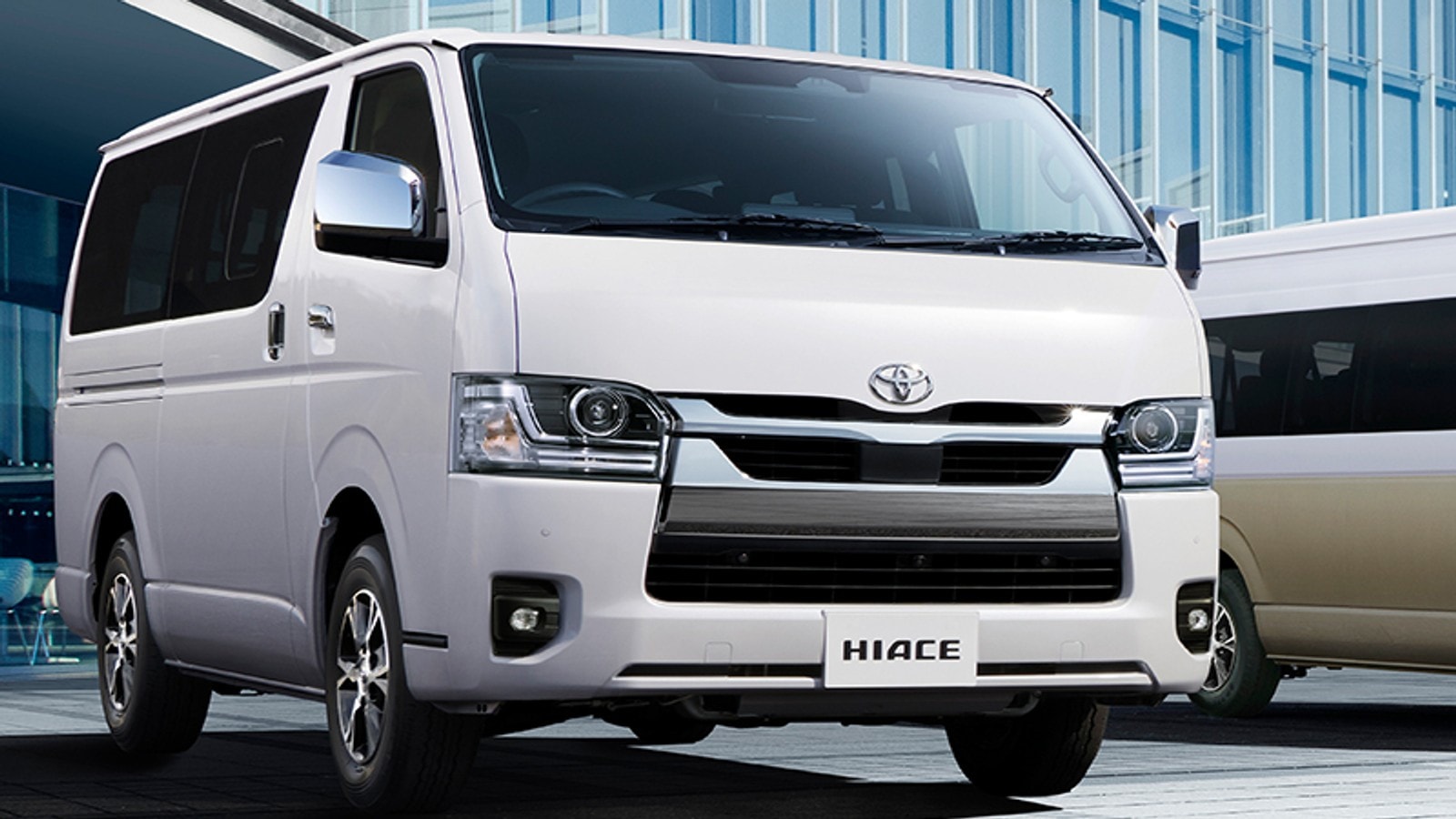
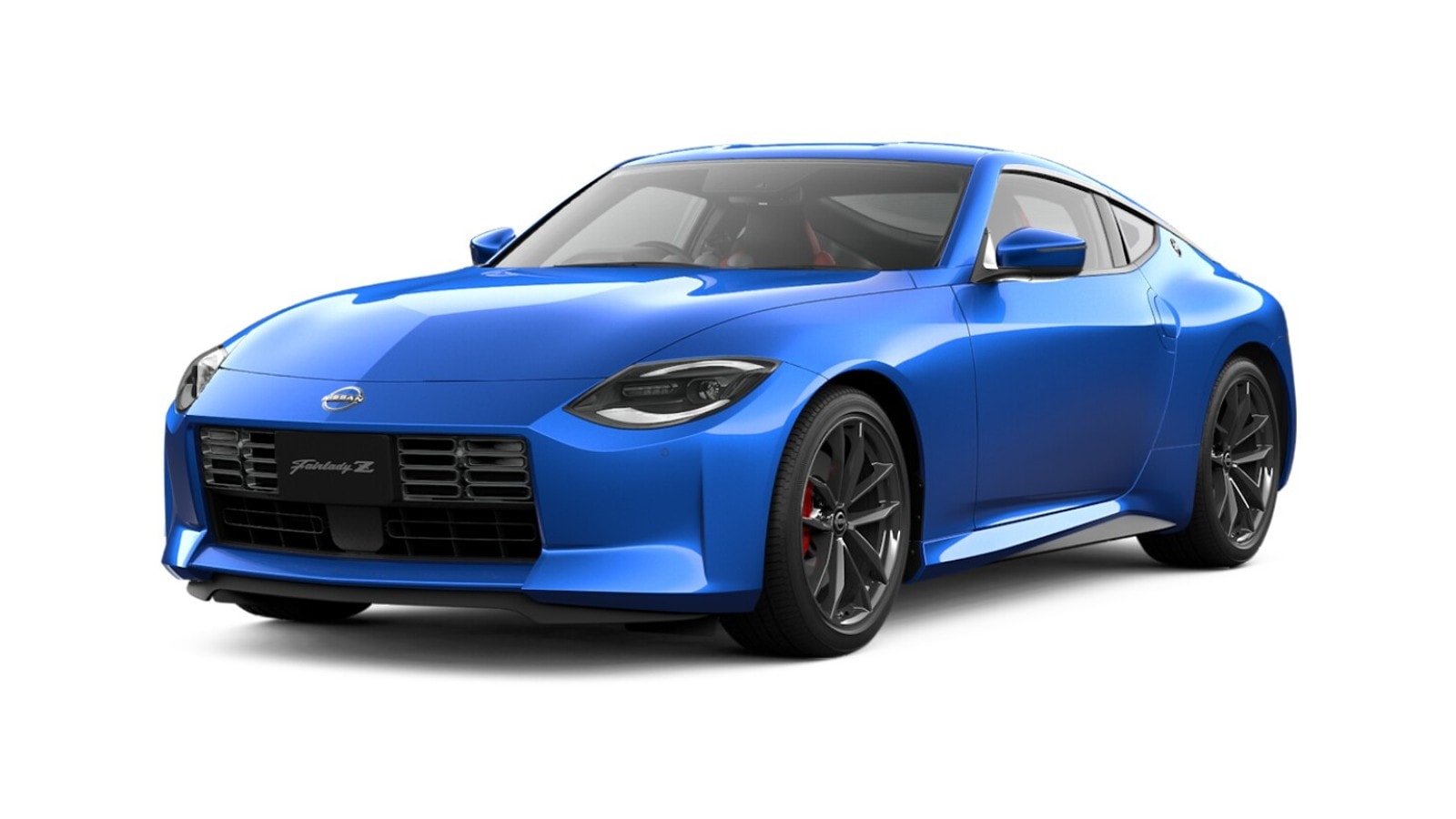
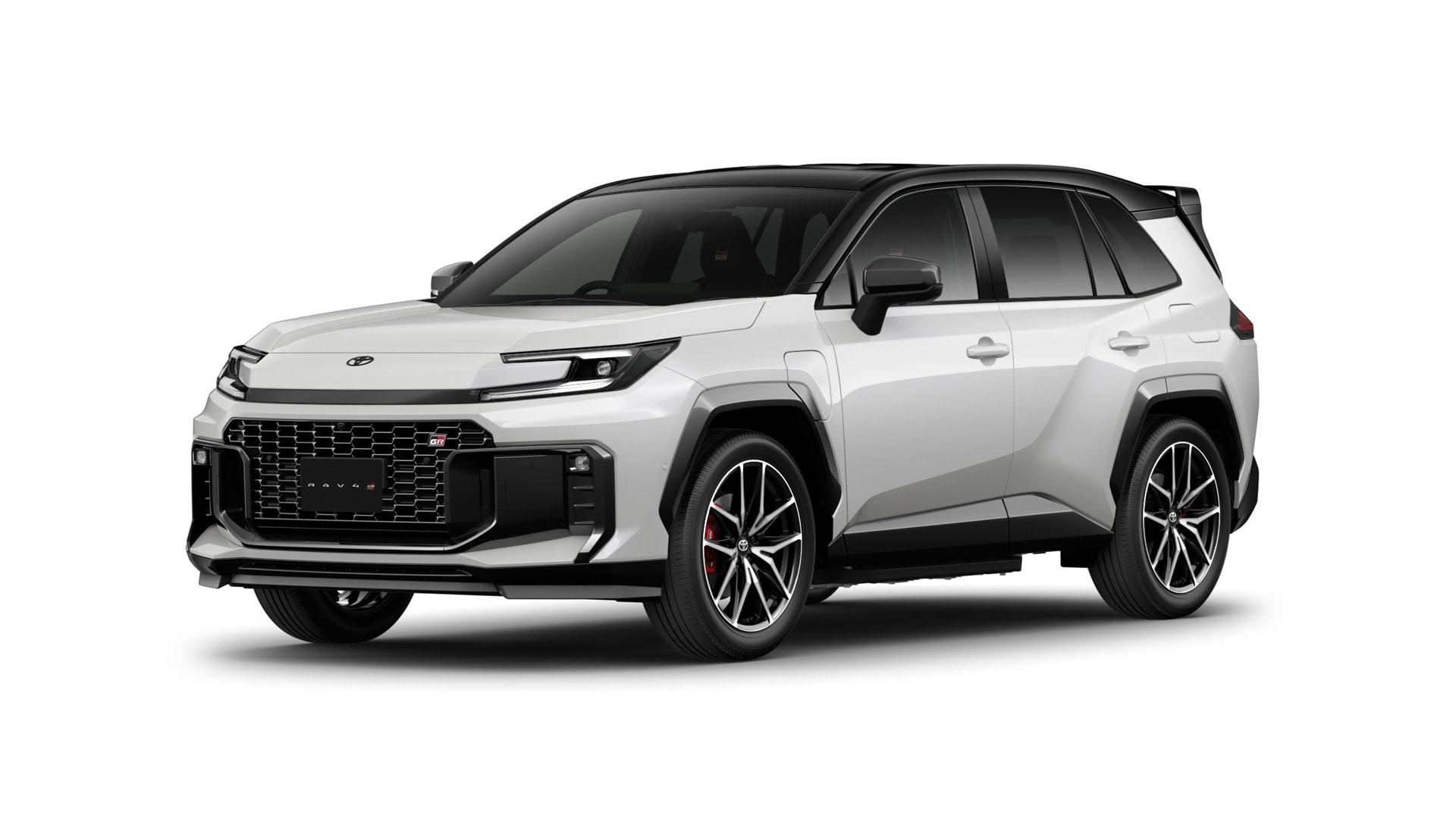

Importing to Sri Lanka
Registering a car from Japan in Sri Lanka
What buyers shipping from Japan need to know about Sri Lanka's import duties, steering rules and registration.
Sri Lanka is one of the highest-duty car import markets globally, with cumulative taxes on petrol vehicles typically landing between 184% and 302% of CIF value. Right-hand drive is mandatory, used imports face a roughly 3-year age cap, and every import requires a DMT permit issued before the vehicle ships.
Import Process: Sri Lanka
- 1
Secure DMT Import Permit
Apply to the Department of Motor Traffic for an import permit specifying vehicle category, HS code, and intended registration before shipment departs.
- 2
Ship to Colombo Port
RoRo or container shipping to Port of Colombo via Singapore or Dubai transshipment, with RHD confirmation on the Bill of Lading.
- 3
File CusDec and Pay Duties
Submit Customs Declaration with CIF, engine cc, and fuel type; settle CID, Surcharge, Excise, Luxury Tax, and VAT (often 150-250% of CIF) before release.
- 4
Pass DMT Technical Inspection
Present the vehicle at DMT for chassis verification, emissions check, and confirmation that steering configuration and specifications match the permit.
- 5
Obtain Revenue License and Register
Pay annual revenue license at the Provincial Council, complete DMT registration, and receive Sri Lankan number plates before road use.
Common Mistakes to Avoid
Underestimating the cumulative duty stack
Fix
Budget 180-260% of CIF on petrol; run the full CID + Surcharge + per-cc Excise + Luxury Tax + VAT calculation before committing to purchase.
Importing a left-hand drive vehicle
Fix
Source only RHD units from Japan, UK, or India; LHD vehicles are refused registration by the DMT with no conversion pathway.
Shipping without a DMT import permit
Fix
Secure the permit from the Department of Motor Traffic before the vessel departs origin, as unlicensed imports face detention and re-export at Colombo.
FAQ
Japan to Sri Lanka shipping questions
With IPAS Express, shipping one car from Japan to Sri Lanka costs from $5,255 port to port in its own 20ft container, with sea transit of 16-27 days. Import duty and taxes in Sri Lanka are paid on arrival and are not included.
Yes. Sri Lanka drives on the left and IPAS treats it as a right-hand-drive market. Japanese-market cars are right-hand drive. A left-hand-drive car is quoted only with right-hand-drive conversion.
Cars can be up to 3 years old and light goods vehicles up to 4 years old. Age is counted from the date of manufacture to the date of the Bill of Lading. A car built in October 2023 and shipped in late October 2026 is too old.
A motor car pays 30% Gen Duty plus a 50% surcharge on that duty, which is 45% of CIF. Excise is a specific rate per cm3, per kW or per unit. VAT is 18% and SSCL is 2.5%. A Luxury Tax applies above a CIF threshold that depends on fuel type. The 50% surcharge runs to 31 December 2026 unless extended.
Sea transit is 16-27 days depending on the Japanese loading port. Add time for export documents, loading, discharge at Colombo and customs clearance.
Yes. Sri Lankan law requires a Letter of Credit from a Sri Lankan bank for vehicle imports. IPAS accepts a sight LC. All cars arrive at the Port of Colombo.
The six-layer cascade (CID 20% + Surcharge 50% of CID + per-cc Excise + Luxury Tax + 18% VAT) compounds sequentially, pushing total tax to 184-302% of CIF on petrol vehicles.
Excise equals engine capacity in cc multiplied by the bracket rate (Rs. 2,000-4,000/cc for petrol), or the fixed LKR floor, whichever is higher.
Yes; BEVs use fixed excise (Rs. 500,000 for ≤50kW up to Rs. 1,500,000 for >200kW) instead of per-cc, reducing total duty to roughly 69% of CIF on small EVs.
After customs clearance, the Department of Motor Traffic inspects the chassis and specifications, assigns a registration number, and issues plates against your import permit and CusDec.
Yes, but with a roughly 3-year age cap from manufacture and higher excise HS codes; import permits are required and the post-2020 ban has only been partially eased.
Keep exploring
Related routes and guides
Other origins → Sri Lanka
Japan → other destinations
Ready to ship from Japan to Sri Lanka?
Get a quote pre-filled for this route in under a minute, or add duty and VAT with CarImport.AI for the full landed cost.